 Bug FAQ
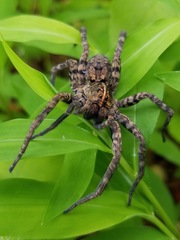
Drumming Sword Wolf Spider
Gladicosa gulosa · Order: Araneae · Family: Lycosidae
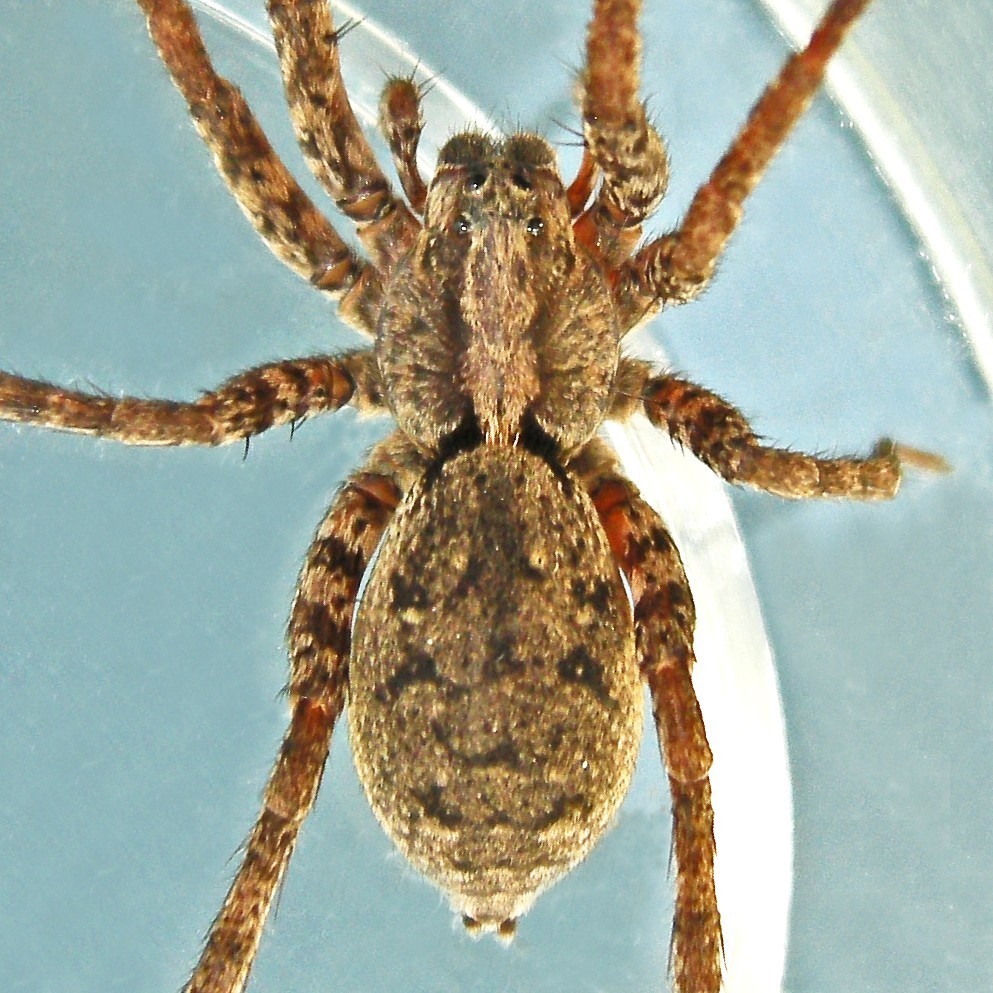
The drumming sword wolf spider is a wolf spider that lives in beech-maple forests of the United States and Canada, where it occupies ground, herb and shrub layers. It is nocturnal, hiding by day, and the female carries her eggs in a spherical sac; after hatching, the spiderlings may ride on the mother until they can fend for themselves.
Source: Wikipedia
How to recognize it
The drumming sword wolf spider is a species of wolf spider.
Source: Wikipedia
Life cycle
It is active at night and hides during daylight; the female keeps her eggs in a spherical sac and the spiderlings may stay on her until they can fend for themselves.
Source: Wikipedia
When you see it
It is nocturnal and hides during the day.
Source: Wikipedia
Where it comes from
Its native range includes beech-maple forests of the United States and Canada.
Source: Wikipedia
Lookalikes
It is a type of wolf spider.
Source: Wikipedia
Where it is found in the US
Recorded in 38 of 51 states and DC. Most records: Massachusetts, Virginia, New York, New Hampshire, Michigan, New Jersey, Maryland, Vermont.
Darker = more records. Counts are museum and citizen-science records, not population size.
Source: GBIF
Status: native in North America; native in Canada. Source: iNaturalist
Months it is reported in the US
Source: GBIF
More photos
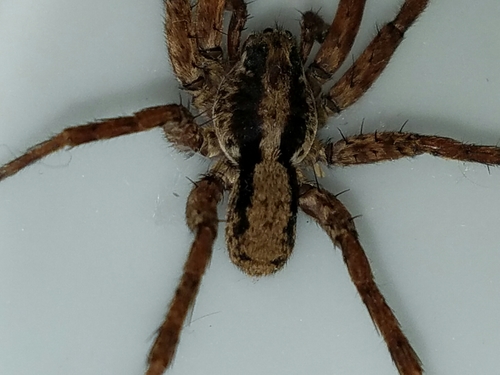
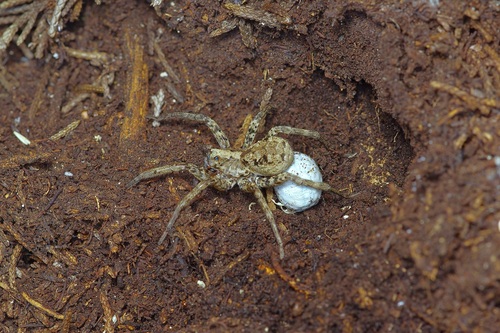
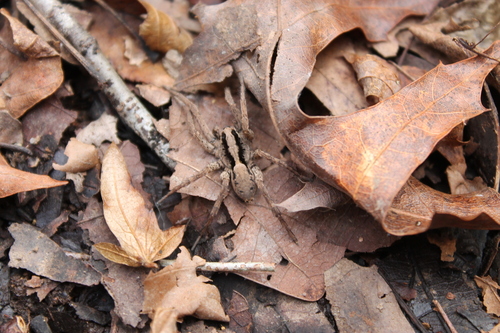
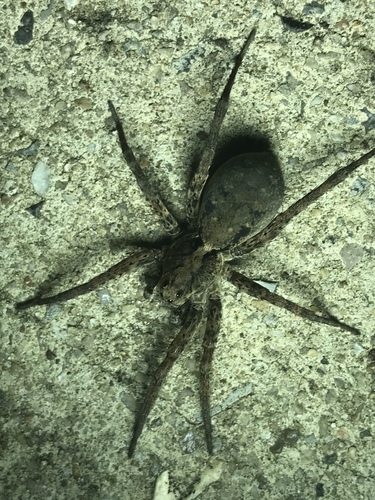
Same family (Lycosidae)


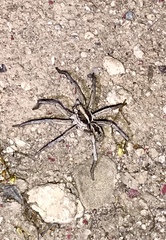
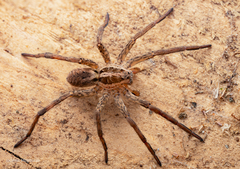
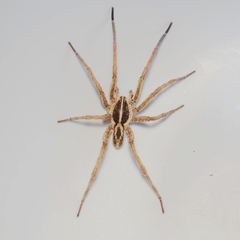
Sources
- Wikipedia: https://en.wikipedia.org/wiki/Gladicosa_gulosa
Look it up elsewhere: GBIF · iNaturalist · BugGuide · ITIS · Wikipedia
Text written 2026-10-23 from the sources above and checked sentence by sentence against them. Data fetched 2026-10-23.