 Bug FAQ
Dichomeris aglaia
Dichomeris aglaia · Order: Lepidoptera · Family: Gelechiidae
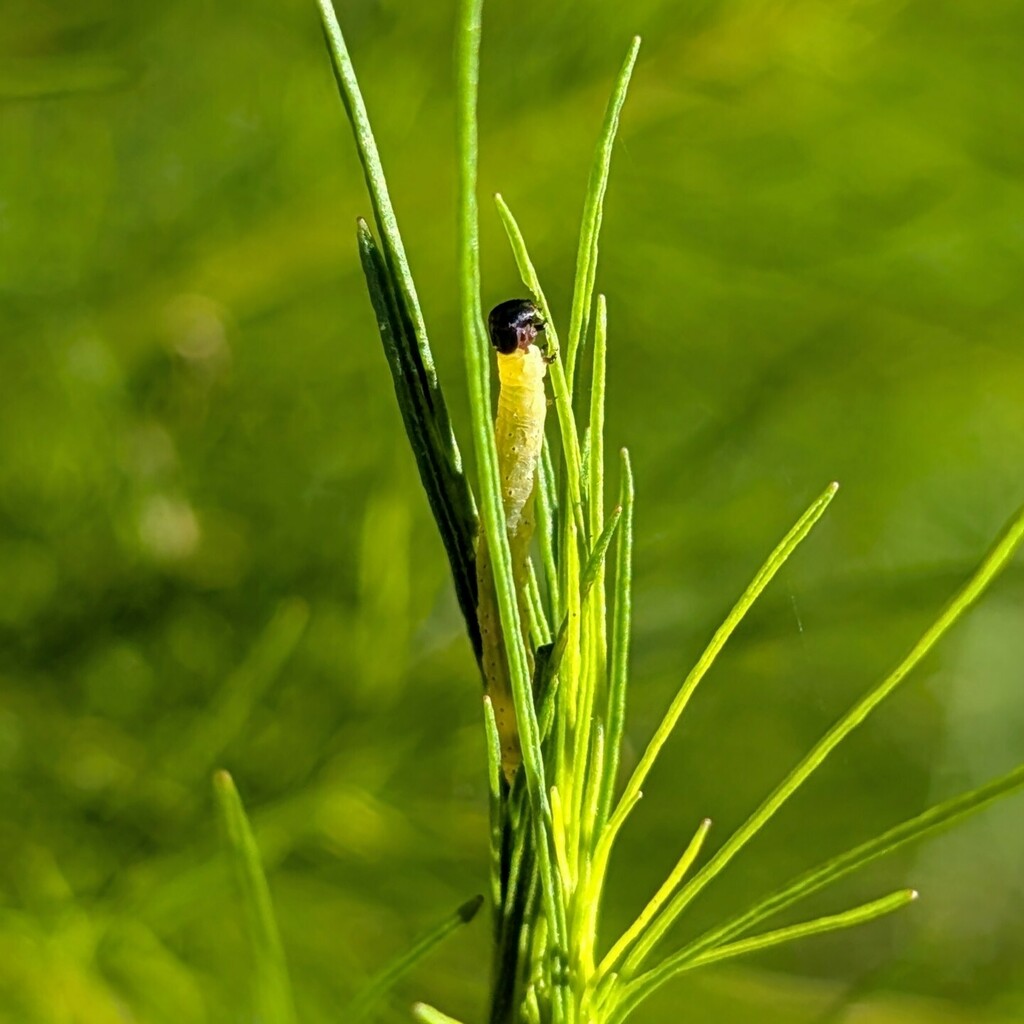
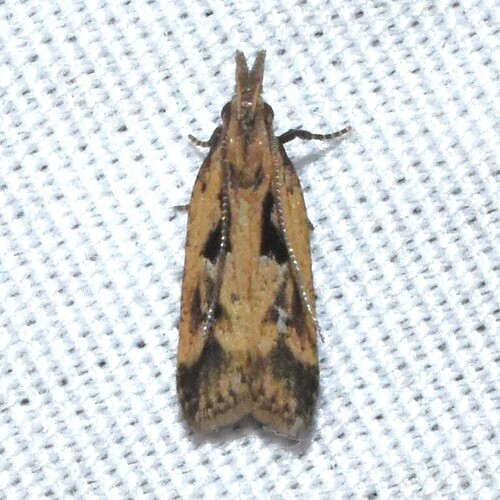
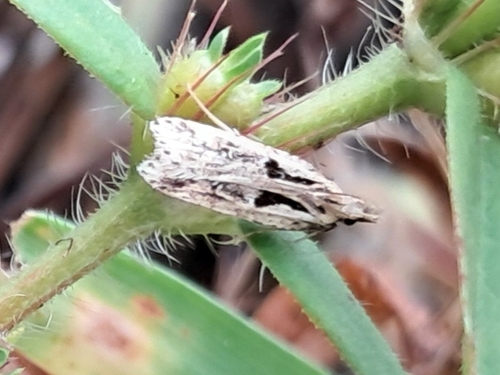
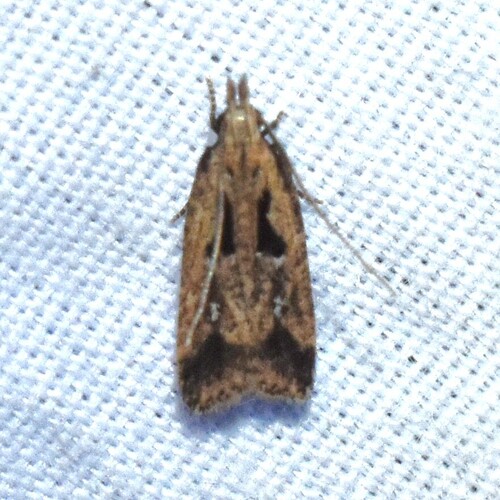
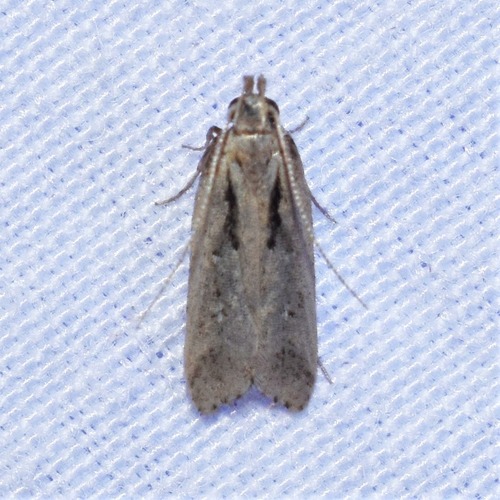
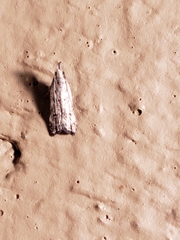
Dichomeris aglaia is a moth in the Gelechiidae family. It lives in the southeastern United States, from Florida west to Texas and north to West Virginia. The caterpillars feed on the plant Eupatorium capillifolium. Adults can be seen flying throughout the year in Florida.
Source: Wikipedia
How to recognize it
Dichomeris aglaia belongs to the moth family Gelechiidae.
Source: Wikipedia
What it eats
The larvae eat the plant Eupatorium capillifolium.
Source: Wikipedia
When you see it
In Florida, adults have been observed on the wing all year round.
Source: Wikipedia
Where it is found in the US
Recorded in 11 of 51 states and DC. Most records: North Carolina, Florida, Alabama, Mississippi, Louisiana, Georgia, Texas, South Carolina.
Darker = more records. Counts are museum and citizen-science records, not population size.
Source: GBIF
Status: native in North America; native in United States. Source: iNaturalist
Months it is reported in the US
Source: GBIF
More photos
Questions people ask
What do the larvae of Dichomeris aglaia eat?
The caterpillars feed on Eupatorium capillifolium.
Source: Wikipedia
When are adult Dichomeris aglaia moths active?
Adults have been recorded flying throughout the year in Florida.
Source: Wikipedia
What family does Dichomeris aglaia belong to?
It is a member of the Gelechiidae family of moths.
Source: Wikipedia
Same family (Gelechiidae)
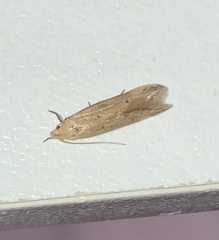 Angoumois Grain MothSitotroga cerealellaDamages trees, gardens or crops
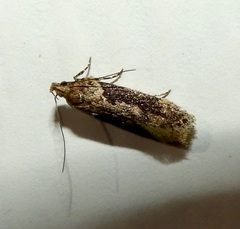 Boxelder Leafworm MothChionodes obscurusella
 Hairy, Toothed, and Shining Dichomeris Moths and AlliesDichomeris setosella
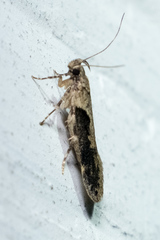 Black-smudged Chionodes Moth and AlliesChionodes occidentellaBlack-smudged Chionodes MothChionodes mediofuscella
 Inverse and Kimball's Dichomeris MothsDichomeris inversella
Sources
- Wikipedia: https://en.wikipedia.org/wiki/Dichomeris_aglaia
Look it up elsewhere: GBIF · iNaturalist · BugGuide · Wikipedia
Text written 2026-10-28 from the sources above and checked sentence by sentence against them. Data fetched 2026-10-28.