 Bug FAQ
Diamondback Spittlebug
Lepyronia quadrangularis · Order: Hemiptera · Family: Aphrophoridae
Also called: Diamond-backed Spittlebug, diamondbacked spittlebug
Source: Wikipedia

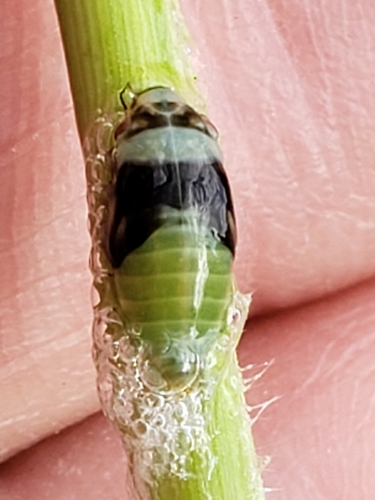
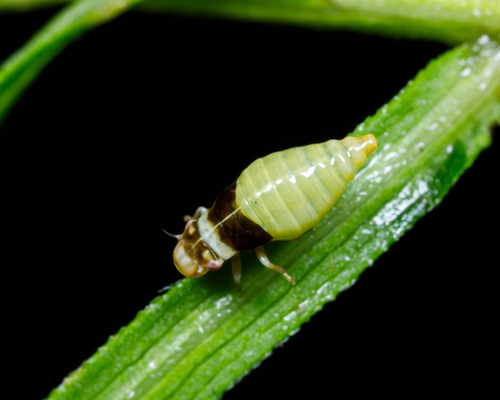
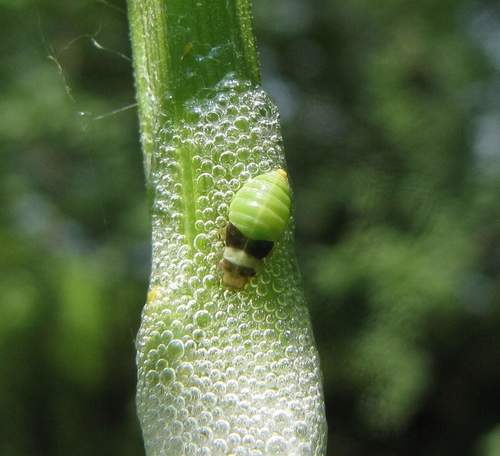
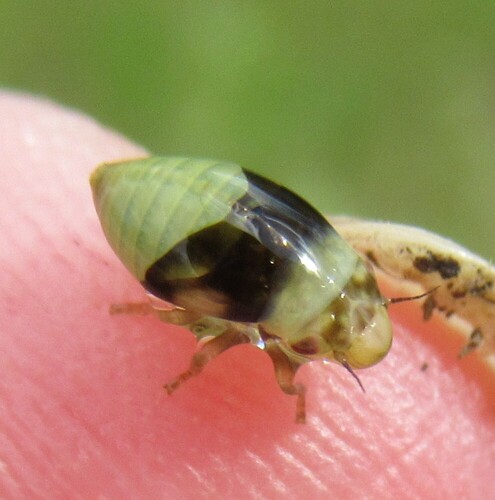
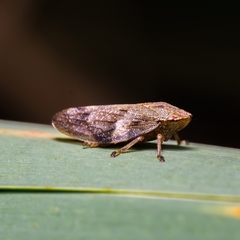
Adults are brownish with two slanted dark brown bands across the fore-wings and a small blackish curve at the wing tips. Eggs are deposited between a grass leaf and its stem from midsummer through late fall. Nymphs live under spittle, feed on grasses and related plants, and the species occurs worldwide.
Source: Wikipedia
What it eats
It feeds on a variety of grasses, shrubs and herbs.
Source: Wikipedia
Life cycle
Eggs are laid from midsummer to late fall; nymphs feed and molt under spittle and later hibernate in the egg stage.
Source: Wikipedia
When you see it
Egg laying occurs from midsummer through late fall.
Source: Wikipedia
Where it comes from
The species is found in many places around the world.
Source: Wikipedia
Where it is found in the US
Recorded in 38 of 51 states and DC. Most records: Texas, Illinois, North Carolina, Minnesota, Alabama, Georgia, Mississippi, Tennessee.
Darker = more records. Counts are museum and citizen-science records, not population size.
Source: GBIF
Status: native in North America; native in Canada. Source: iNaturalist
Months it is reported in the US
Source: GBIF
More photos
Questions people ask
Do Diamondback Spittlebugs damage lawns or garden plants?
Yes, they feed on grasses, shrubs and herbs, which can harm lawns and garden vegetation.
Source: Wikipedia
When are the eggs laid?
Eggs are deposited between grass leaves and stems from midsummer to late fall.
Source: Wikipedia
Same family (Aphrophoridae)

Sources
- Wikipedia: https://en.wikipedia.org/wiki/Lepyronia_quadrangularis
Look it up elsewhere: GBIF · iNaturalist · BugGuide · ITIS · Wikipedia
Text written 2026-10-22 from the sources above and checked sentence by sentence against them. Data fetched 2026-10-22.