 Bug FAQ
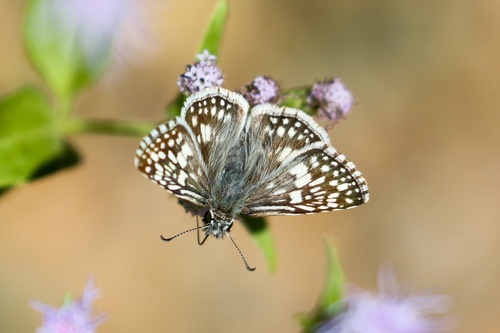
Desert Checkered-Skipper
Burnsius philetas · Order: Lepidoptera · Family: Hesperiidae
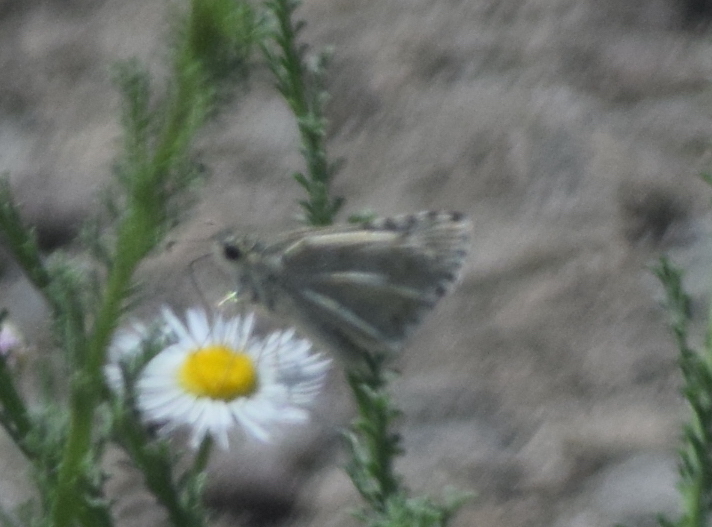
The desert checkered-skipper is a small skipper butterfly with a wingspan of about 25 to 29 mm. It lives in the southern United States from Arizona to Texas and into northern Mexico, with some individuals found farther north.
Source: Wikipedia
How to recognize it
Burnsius philetas, called the desert checkered-skipper, belongs to the skipper family Hesperiidae.
Source: Wikipedia
Size
Its wingspan measures between 25 and 29 mm.
Source: Wikipedia
Where it lives
It is found in the southern United States, from southern Arizona east to southern Texas, and into southern Mexico.
Source: Wikipedia
What it eats
Caterpillars feed on plants in the Malvaceae family such as Malvastrum and Sida. Adult butterflies sip nectar from flowers.
Source: Wikipedia
When you see it
Flight periods span February-December in Texas and April-October in Arizona.
Source: Wikipedia
Where it comes from
Its range includes the southern United States and northern Mexico, with some individuals reaching northern Arizona and northern Texas.
Source: Wikipedia
Where it is found in the US
Recorded in 3 of 51 states and DC. Most records: Texas, Arizona, New Mexico.
Darker = more records. Counts are museum and citizen-science records, not population size.
Source: GBIF
Months it is reported in the US
Source: GBIF
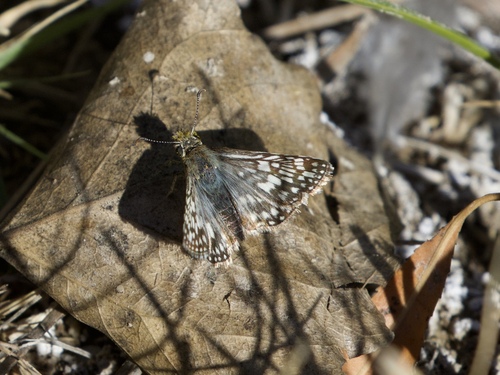
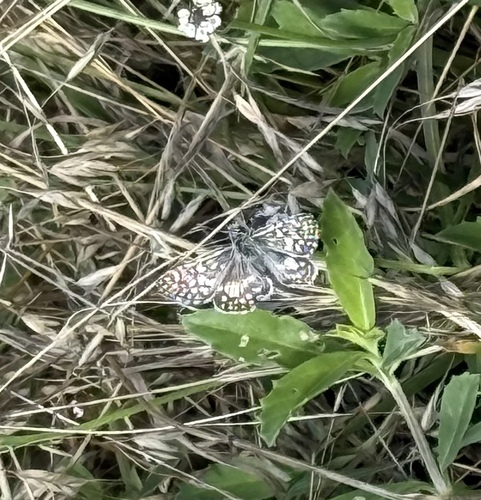
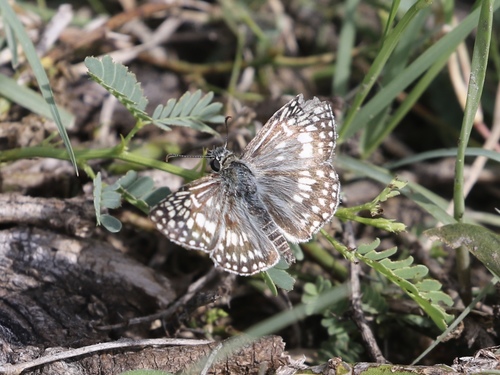
More photos
Questions people ask
What do the caterpillars eat?
The larvae feed on several Malvaceae plants, including Malvastrum and Sida.
Source: Wikipedia
How large is the desert checkered-skipper?
Its wingspan ranges from about 25 to 29 mm.
Source: Wikipedia
Same family (Hesperiidae)




Sources
- Wikipedia: https://en.wikipedia.org/wiki/Burnsius_philetas
Look it up elsewhere: GBIF · iNaturalist · BugGuide · Wikipedia
Text written 2026-10-23 from the sources above and checked sentence by sentence against them. Data fetched 2026-10-23.