 Bug FAQ
Common Bagworm Moth
Psyche casta · Order: Lepidoptera · Family: Psychidae
Also called: Moth, Common Sweep
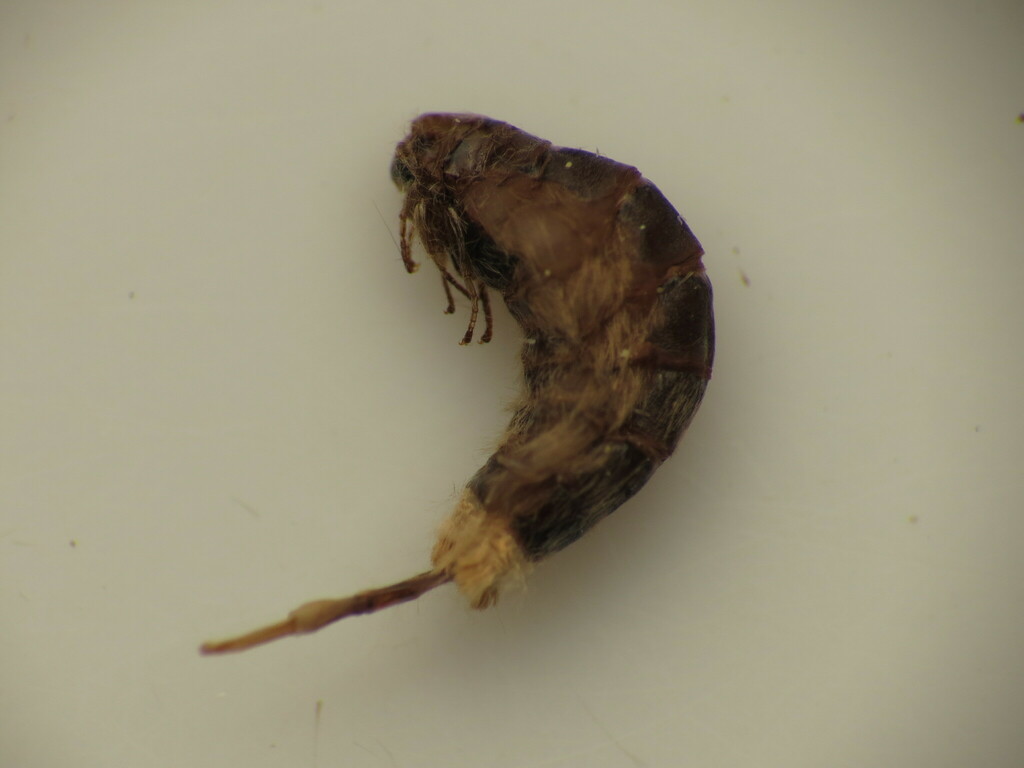
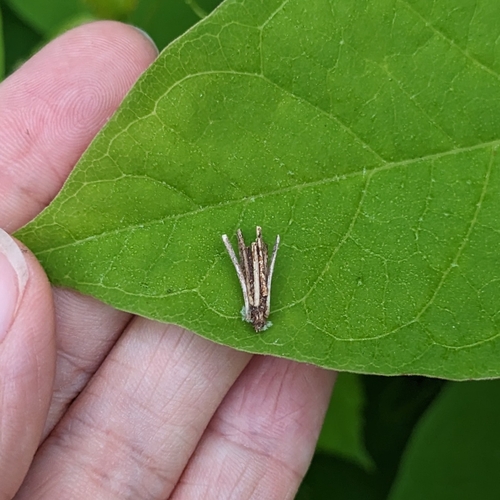
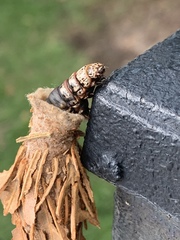
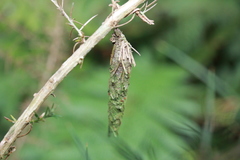
Males have a wingspan of about 12 to 15 mm and shiny brown-metallic wings, while females are wingless, grub-like, and yellowish to light brown with dark back plates. The larvae build protective cases from grass and feed on grasses, birch, willow, poplar and Vaccinium plants. Adults fly from May to July and the species originated in the Old World but is now also found in North America.
Source: Wikipedia
How to recognize it
Males have hairy, brown-metallic shiny wings; females are wingless, grub-like, yellowish or light brown with some dark back plates.
Source: Wikipedia
Size
Male wingspan ranges from 12 to 15 mm.
Source: Wikipedia
Where it lives
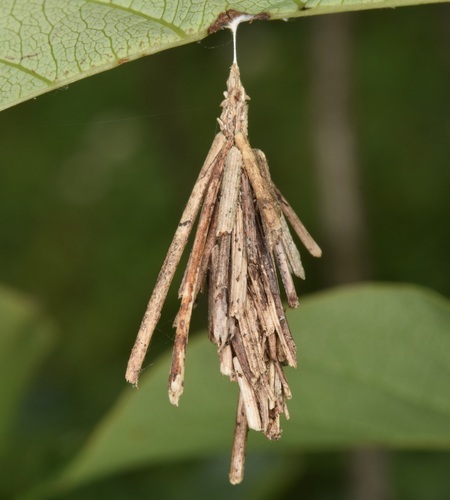
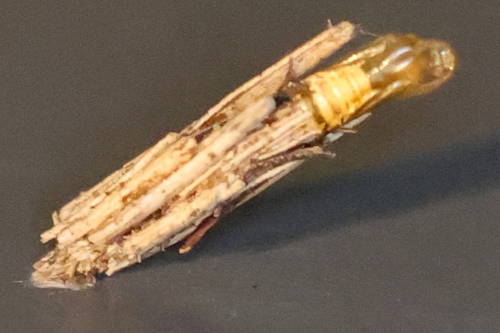
The caterpillars use grass to make protective hulls.
Source: Wikipedia
What it eats
Larvae feed on grasses, birch, willow, poplar and Vaccinium species.
Source: Wikipedia
Life cycle
Adults are on the wing from May through July.
Source: Wikipedia
When you see it
Flight period is May to July.
Source: Wikipedia
Where it comes from
Originally an Old World species, it has been introduced to North America.
Source: Wikipedia
Lookalikes
It belongs to the bagworm moth family Psychidae and is nocturnal.
Source: Wikipedia
Where it is found in the US
Recorded in 31 of 51 states and DC. Most records: Massachusetts, New York, Pennsylvania, Michigan, New Jersey, Ohio, Minnesota, Virginia.
Darker = more records. Counts are museum and citizen-science records, not population size.
Source: GBIF
Status: introduced in North America; introduced in United States. Source: iNaturalist
Months it is reported in the US
Source: GBIF
More photos
Questions people ask
Same family (Psychidae)
Sources
- Wikipedia: https://en.wikipedia.org/wiki/Psyche_casta
Look it up elsewhere: GBIF · iNaturalist · BugGuide · Wikipedia
Text written 2026-10-22 from the sources above and checked sentence by sentence against them. Data fetched 2026-10-22.