 Bug FAQ
Chrysanthemum Leafminer
Phytomyza syngenesiae · Order: Diptera · Family: Agromyzidae
Also called: Ragwort Leafminer
Source: Wikipedia
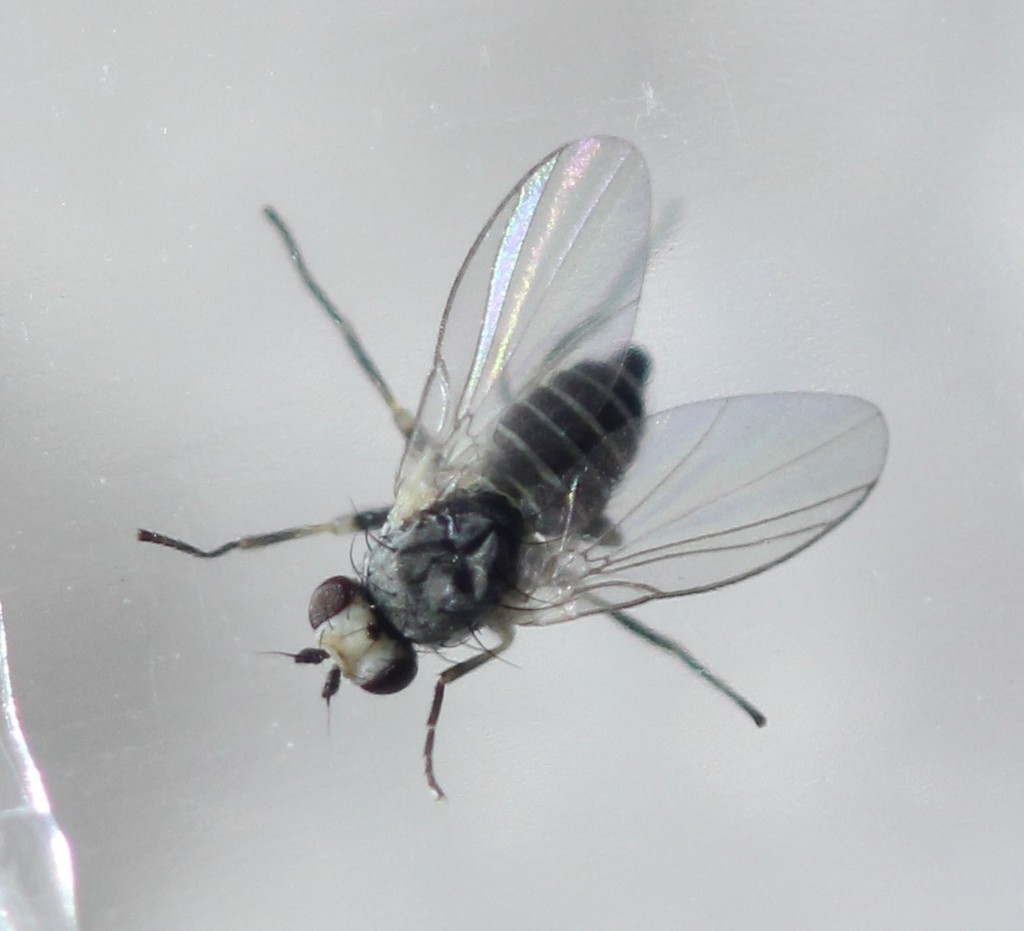
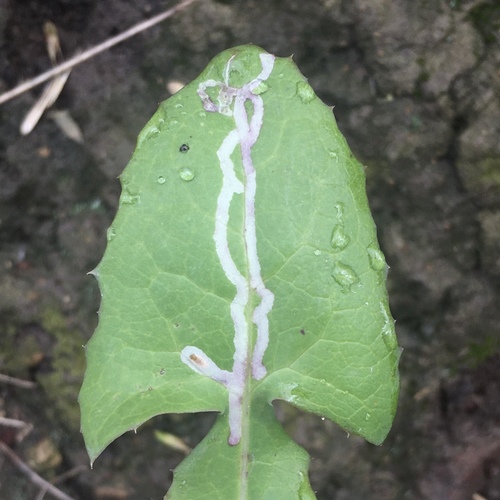
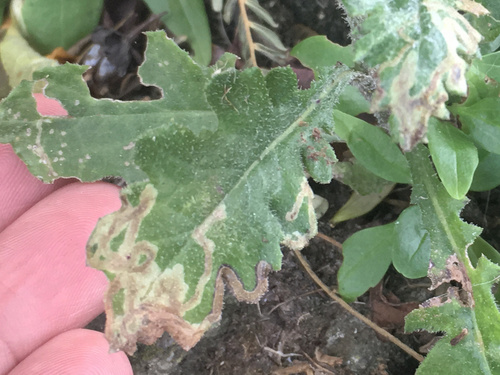
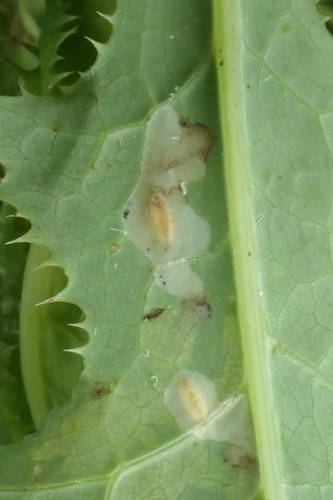
Chromatomyia syngenesiae, also called the chrysanthemum leafminer, is a fly native to the Palaearctic region. It has also been recorded in Australia and New Zealand. Its larvae create leaf mines in Senecio species and other herbaceous daisies, harming those plants.
Source: Wikipedia
How to recognize it
Also known as Chromatomyia syngenesiae or Phytomyza syngenesiae.
Source: Wikipedia
Where it lives
It occurs in the Palaearctic and has been found in Australia and New Zealand.
Source: Wikipedia
What it eats
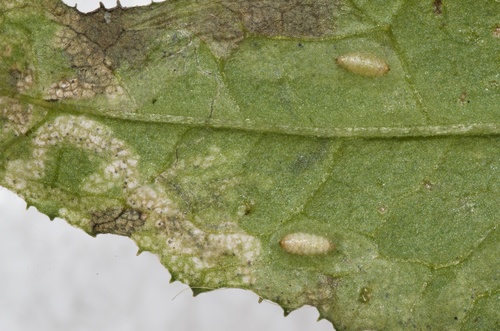
Larvae mine the leaves of Senecio and related herbaceous daisies.
Source: Wikipedia
Where it comes from
It is native to the Palaearctic region.
Source: Wikipedia
Lookalikes
It is also known by the synonym Phytomyza syngenesiae.
Source: Wikipedia
Where it is found in the US
Recorded in 7 of 51 states and DC. Most records: California, Washington, Hawaii, Texas, Illinois, Massachusetts, Oregon.
Darker = more records. Counts are museum and citizen-science records, not population size.
Source: GBIF
Months it is reported in the US
Source: GBIF
More photos
Questions people ask
What plants are affected by the chrysanthemum leafminer?
Its larvae mine the leaves of Senecio species and other related herbaceous daisies.
Source: Wikipedia
Where is the chrysanthemum leafminer found?
It is native to the Palaearctic region and has also been recorded in Australia and New Zealand.
Source: Wikipedia
Same family (Agromyzidae)
 European Holly LeafminerPhytomyza ilicis
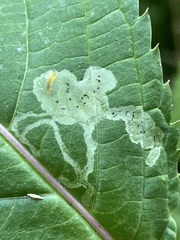 Jewelweed Leaf-miner FlyPhytoliriomyza melampyga
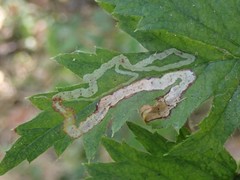 Agromyza vockerothiAgromyza vockerothiDamages trees, gardens or crops
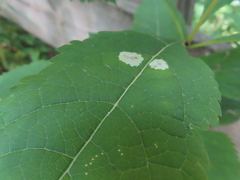 Calycomyza flavinotumCalycomyza flavinotum
 Nemorimyza posticataNemorimyza posticata
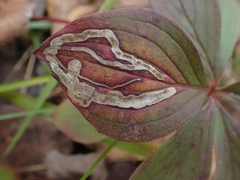 Dogwood leaf-mining flyPhytomyza agromyzinaDamages trees, gardens or crops
Sources
- Wikipedia: https://en.wikipedia.org/wiki/Chromatomyia_syngenesiae
Look it up elsewhere: GBIF · iNaturalist · BugGuide · ITIS · Wikipedia
Text written 2026-10-23 from the sources above and checked sentence by sentence against them. Data fetched 2026-10-22.