 Bug FAQ
Brush-legged Split Wolf Spider
Schizocosa ocreata · Order: Araneae · Family: Lycosidae
Source: Wikipedia
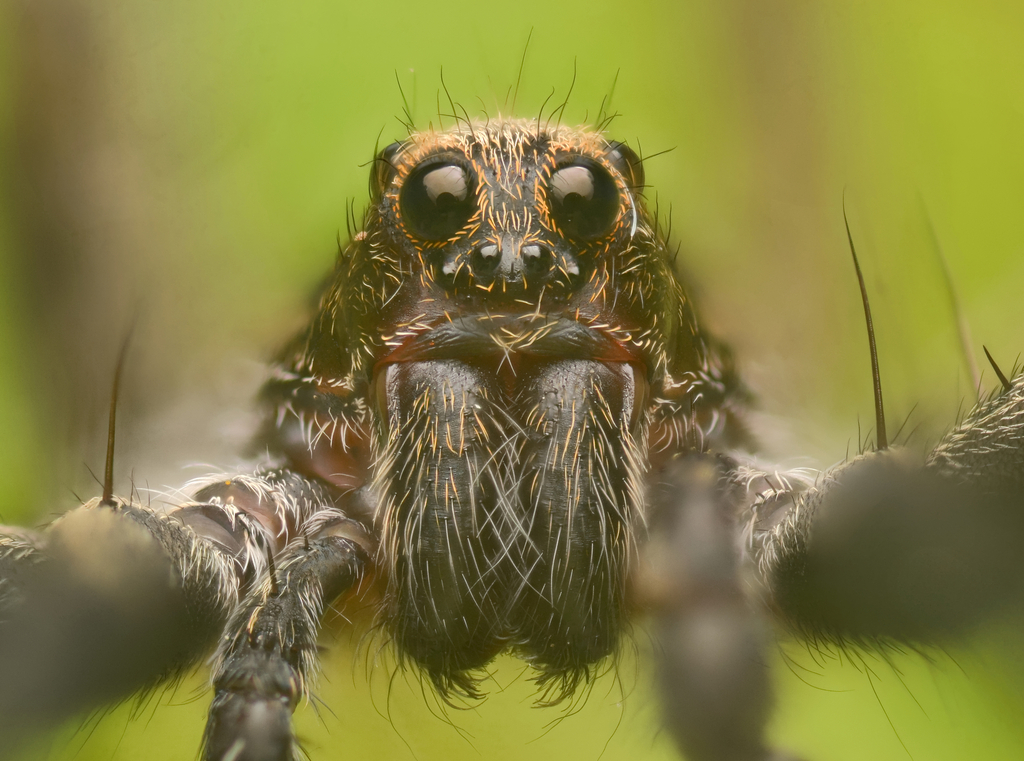
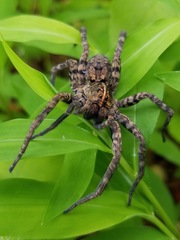
The brush-legged split wolf spider has dark, furry legs and, in males, a pair of bristle tufts that set it apart from close relatives. It lives across the middle and eastern United States and is a native North American wolf spider.
Source: Wikipedia
How to recognize it
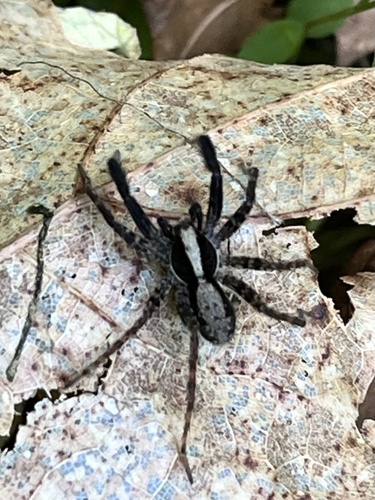
Dark, furry legs are a key feature of this spider. Males have a distinctive pair of bristle tufts that separate them from sibling species.
Source: Wikipedia
Does it bite or sting?
It is not listed among the medically serious venomous spiders, but it is not proven harmless; seek care if you suspect a bite and have severe pain or breathing trouble.
Source: Wikipedia
Where it lives
You’ll most often find it in the middle and eastern parts of the United States.
Source: Wikipedia
What it eats
Its diet includes crickets, a variety of insects and springtails (Collembola).
Source: Wikipedia
Life cycle
It begins life as an egg, hatches into a tiny version of the adult, and can live for a few years. During growth it sheds its skin several times and later develops sexual organs to reproduce.
Source: Wikipedia
Where it comes from
It is a wolf spider native to North America.
Source: Wikipedia
Lookalikes
The male’s bristle-tuft pair is the only trait that separates it from similar Schizocosa species.
Source: Wikipedia
Where it is found in the US
Recorded in 32 of 51 states and DC. Most records: Ohio, Illinois, Kansas, Mississippi, Florida, Indiana, North Carolina, Virginia.
Darker = more records. Counts are museum and citizen-science records, not population size.
Source: GBIF
Status: native in North America; native in Canada. Source: iNaturalist
Months it is reported in the US
Source: GBIF
More photos
Questions people ask
How can I identify a brush-legged split wolf spider?
Look for dark, furry legs and, in males, a pair of bristle tufts on the abdomen.
Source: Wikipedia
Where is this spider found?
It is common in the middle and eastern United States and is native to North America.
Source: Wikipedia
Does it bite people?
It can bite and cause pain; if you experience severe symptoms or breathing trouble, get medical attention.
Source: Wikipedia
Same family (Lycosidae)


Sources
- Wikipedia: https://en.wikipedia.org/wiki/Schizocosa_ocreata
Look it up elsewhere: GBIF · iNaturalist · BugGuide · ITIS · Wikipedia
Text written 2026-10-24 from the sources above and checked sentence by sentence against them. Data fetched 2026-10-24.