 Bug FAQ
Brown Leather Wing Beetle
Pacificanthia consors · Order: Coleoptera · Family: Cantharidae
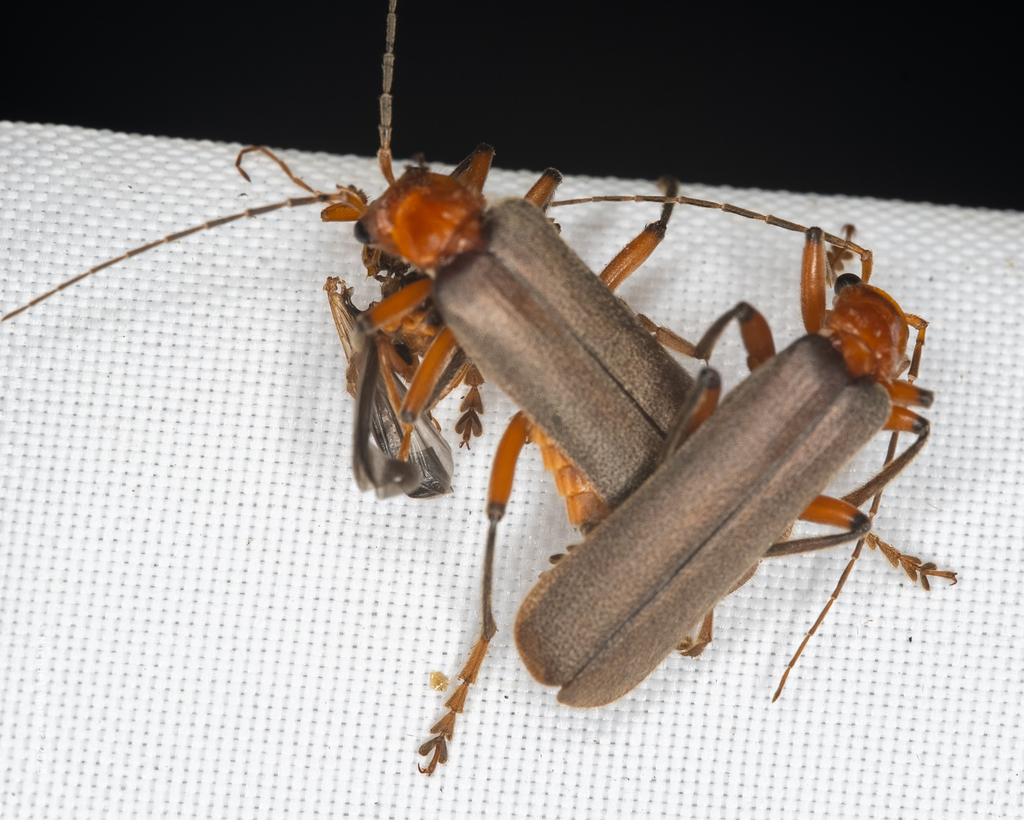
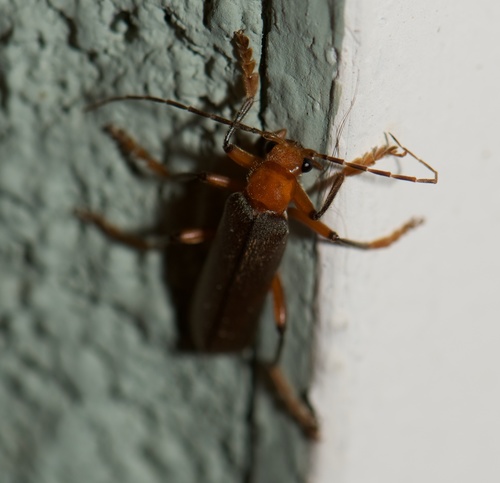
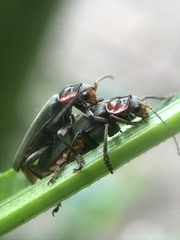
Adult brown leather wing beetles are 14-19 mm long and have orange bodies with brown wing covers and reddish legs marked with black. They live in plant litter, where both adults and larvae hunt other soil fauna, and are most often seen flying in April and May.
Source: Wikipedia
Size
Adults measure between 14 and 19 mm in length.
Source: Wikipedia
What it eats
They prey on other soil fauna while living in plant litter.
Source: Wikipedia
Lookalikes
Pacificanthia consors, also called the brown leatherwing beetle, belongs to the soldier beetle family Cantharidae.
Source: Wikipedia
Where it is found in the US
Recorded in 2 of 51 states and DC. Most records: California, Missouri.
Darker = more records. Counts are museum and citizen-science records, not population size.
Source: GBIF
Status: native in North America; native in Canada. Source: iNaturalist
Months it is reported in the US
Source: GBIF
More photos
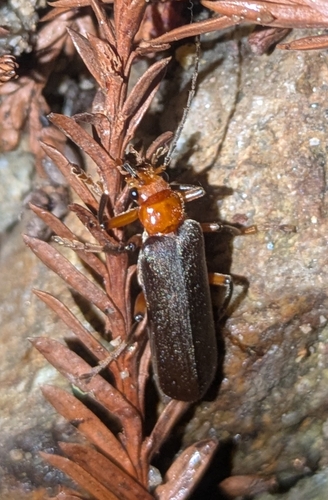
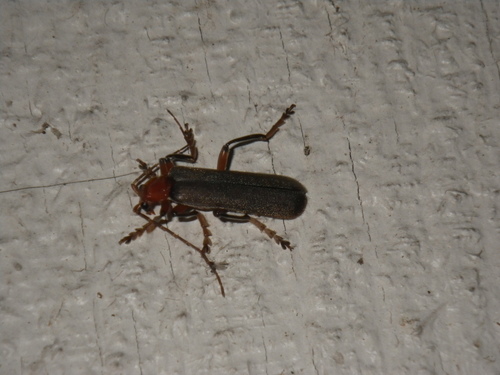
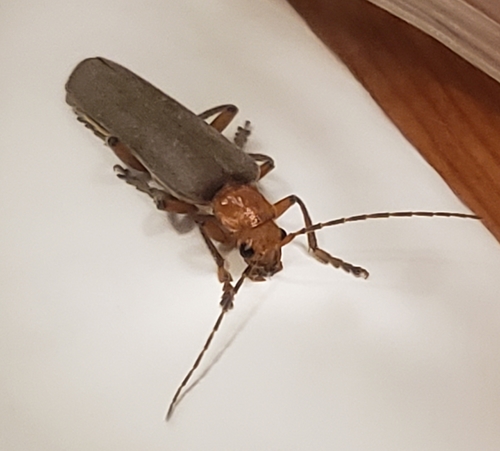
Questions people ask
When are adult brown leather wing beetles active?
Adults are most commonly seen flying in April and May.
Source: Wikipedia
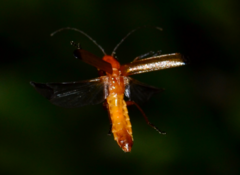
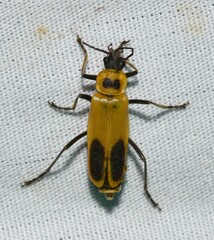
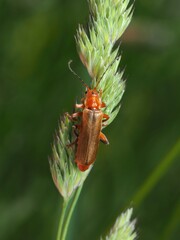
Same family (Cantharidae)


Sources
- Wikipedia: https://en.wikipedia.org/wiki/Pacificanthia_consors
Look it up elsewhere: GBIF · iNaturalist · BugGuide · ITIS · Wikipedia
Text written 2026-10-23 from the sources above and checked sentence by sentence against them. Data fetched 2026-10-23.