 Bug FAQ
Brazilian Skipper
Calpodes ethlius · Order: Lepidoptera · Family: Hesperiidae
Also called: canna skipper, larger canna leafroller
Source: Wikipedia
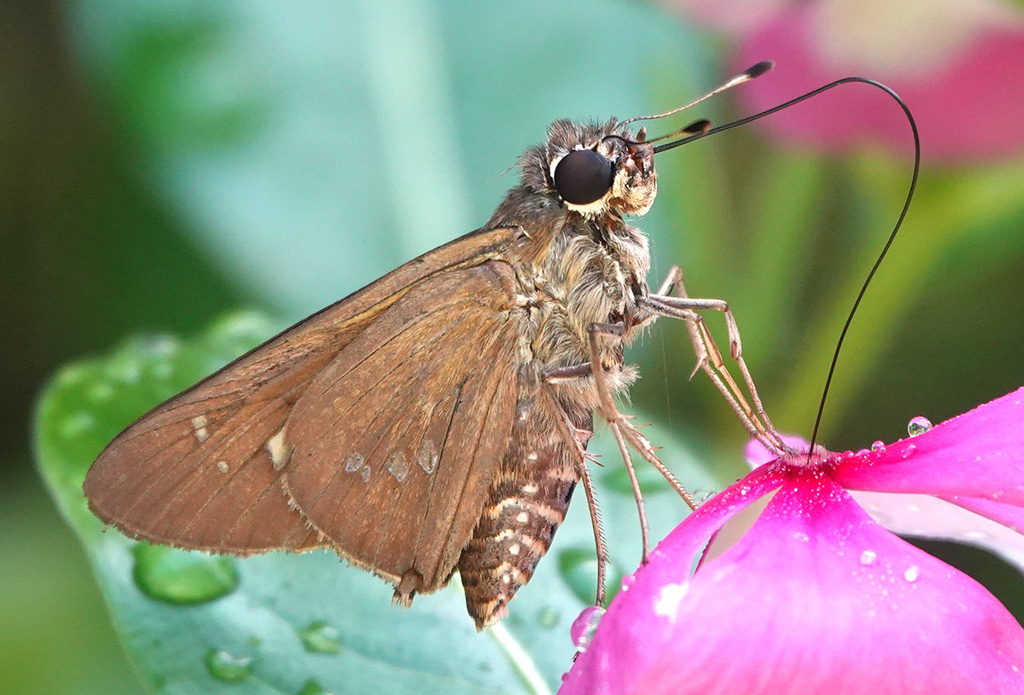
The Brazilian skipper (Calpodes ethlius) is a butterfly in the skipper family Hesperiidae. Its wingspan ranges from about 45 to 61 mm. It lives from southern Florida and Texas through the Caribbean, Central America and down to Argentina, with occasional stray sightings as far north as Nevada, Illinois and Massachusetts. Adults sip nectar from flowers such as Lantana and other white or pale-yellow blossoms, while the caterpillars feed on Canna species, damaging the leaves.
Source: Wikipedia
How to recognize it
Calpodes ethlius, known as the Brazilian skipper, belongs to the butterfly family Hesperiidae.
Source: Wikipedia
Size
The adult’s wingspan is between 45 and 61 mm.
Source: Wikipedia
Where it lives
It is common in southern Florida and southern Texas and extends through the West Indies, Mexico, Central America to Argentina. Occasional stray individuals and temporary colonies appear farther north, reaching southern Nevada, northern Texas, Illinois and Massachusetts.
Source: Wikipedia
What it eats
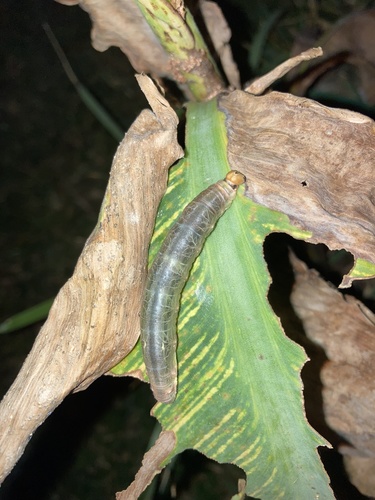
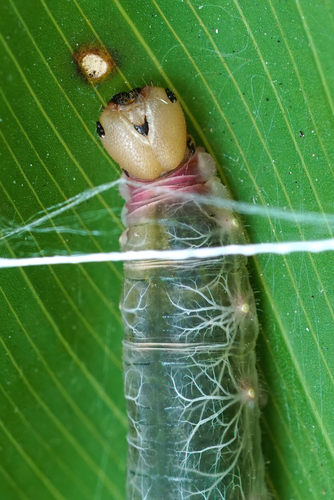
Adult butterflies feed on nectar from Lantana in Arizona and on white or pale-yellow flowers of woody vines, trees and shrubs in Costa Rica. Caterpillars eat Canna species, rolling or folding leaf tips into protective tents.
Source: Wikipedia
Life cycle
Adults are active year-round in Florida and tropical areas.
Source: Wikipedia
When you see it
In the northern part of its range adults are on the wing in late summer.
Source: Wikipedia
Where it comes from
In the United States it is found from southern Florida and southern Texas down through the Caribbean and Central America to Argentina.
Source: Wikipedia
Lookalikes
It is a skipper butterfly and may be confused with other Hesperiidae species.
Source: Wikipedia
Where it is found in the US
Recorded in 25 of 51 states and DC. Most records: Texas, Florida, South Carolina, North Carolina, Louisiana, New Jersey, Georgia, Alabama.
Darker = more records. Counts are museum and citizen-science records, not population size.
Source: GBIF
Status: native in North America; native in United States. Source: iNaturalist
Months it is reported in the US
Source: GBIF
More photos

Same family (Hesperiidae)




Sources
- Wikipedia: https://en.wikipedia.org/wiki/Calpodes_ethlius
Look it up elsewhere: GBIF · iNaturalist · BugGuide · ITIS · Wikipedia
Text written 2026-10-23 from the sources above and checked sentence by sentence against them. Data fetched 2026-10-23.