 Bug FAQ
Asphondylia solidaginis
Asphondylia solidaginis · Order: Diptera · Family: Cecidomyiidae
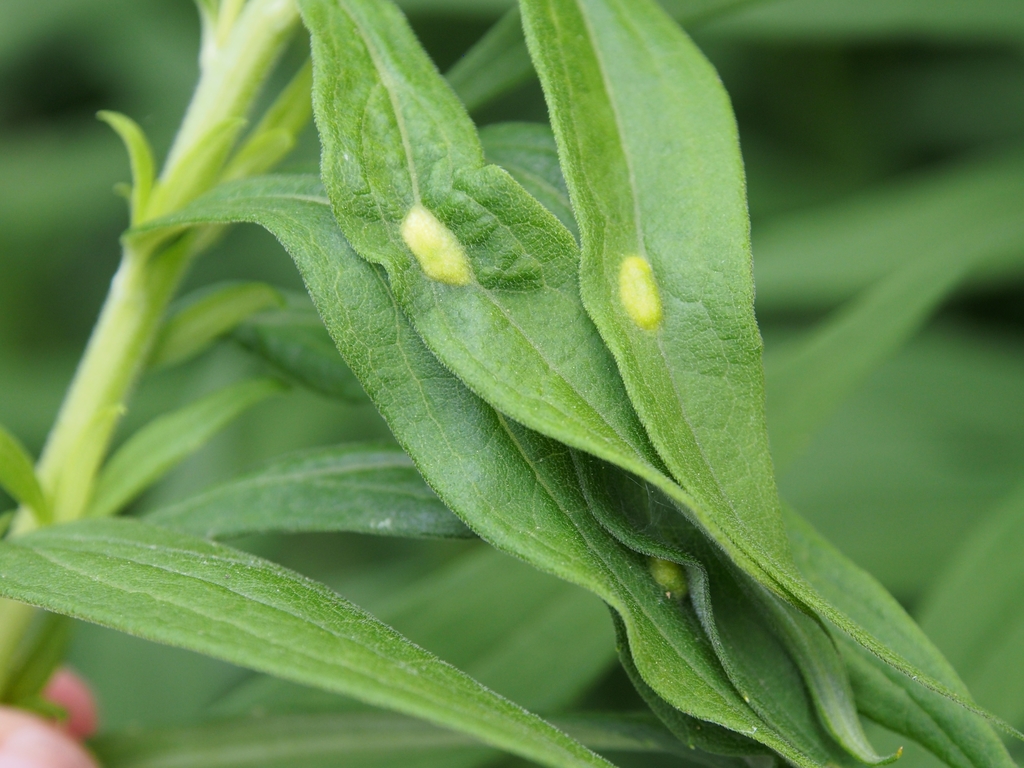
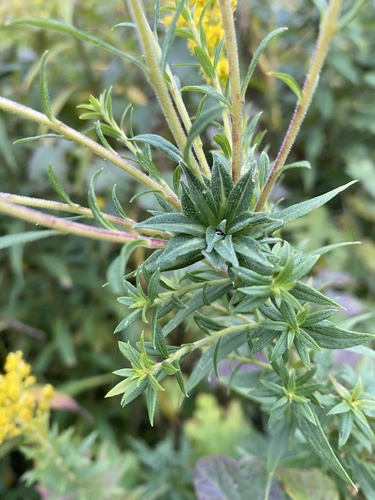
Adult Asphondylia solidaginis look almost identical to Asphondylia monacha, but their pupae have a different shape. Females lay eggs in leaf buds of tall goldenrod (Solidago altissima) and sometimes giant goldenrod (S. gigantea), causing leaf galls where the larvae develop. The species has several generations per year, with adults emerging from the galls in June and July.
Source: Wikipedia
How to recognize it
Adults look like Asphondylia monacha, but pupal shape is distinct.
Source: Wikipedia
Size
Adults resemble Asphondylia monacha, but pupal shape differs.
Source: Wikipedia
Life cycle
The fly is multivoltine, producing several generations each year.
Source: Wikipedia
When you see it
Adults emerge from the galls during June and July.
Source: Wikipedia
Lookalikes
Adults are very similar to Asphondylia monacha; the pupae can be used to tell them apart.
Source: Wikipedia
Where it is found in the US
Recorded in 32 of 51 states and DC. Most records: Ohio, Pennsylvania, New York, Louisiana, New Jersey, Virginia, Massachusetts, Michigan.
Darker = more records. Counts are museum and citizen-science records, not population size.
Source: GBIF
Status: native in North America; native in United States. Source: iNaturalist
Months it is reported in the US
Source: GBIF
More photos
Questions people ask
What plants do Asphondylia solidaginis affect?
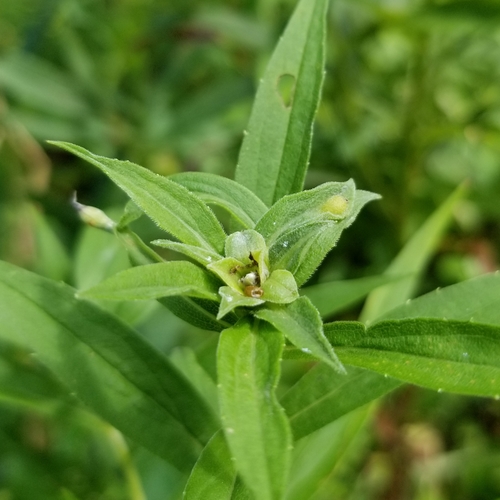
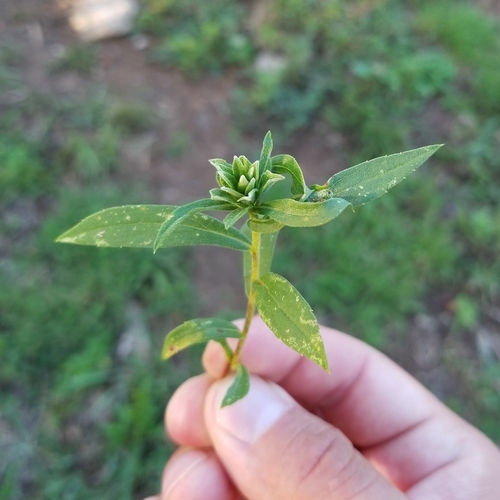
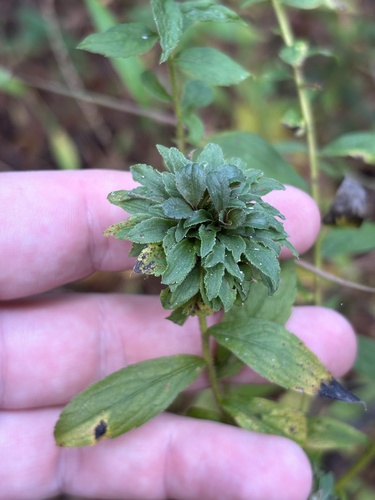
The females lay eggs in the leaf buds of tall goldenrod (Solidago altissima) and sometimes giant goldenrod (S. gigantea), creating leaf galls for the larvae.
Source: Wikipedia
How can I tell this species apart from Asphondylia monacha?
While the adults look almost identical, the shape of the pupae is different.
Source: Wikipedia
Same family (Cecidomyiidae)


Sources
- Wikipedia: https://en.wikipedia.org/wiki/Asphondylia_solidaginis
Look it up elsewhere: GBIF · iNaturalist · BugGuide · ITIS · Wikipedia
Text written 2026-10-25 from the sources above and checked sentence by sentence against them. Data fetched 2026-10-25.