 Bug FAQ
Anopheles pseudopunctipennis
Anopheles pseudopunctipennis · Order: Diptera · Family: Culicidae
Source: Wikipedia
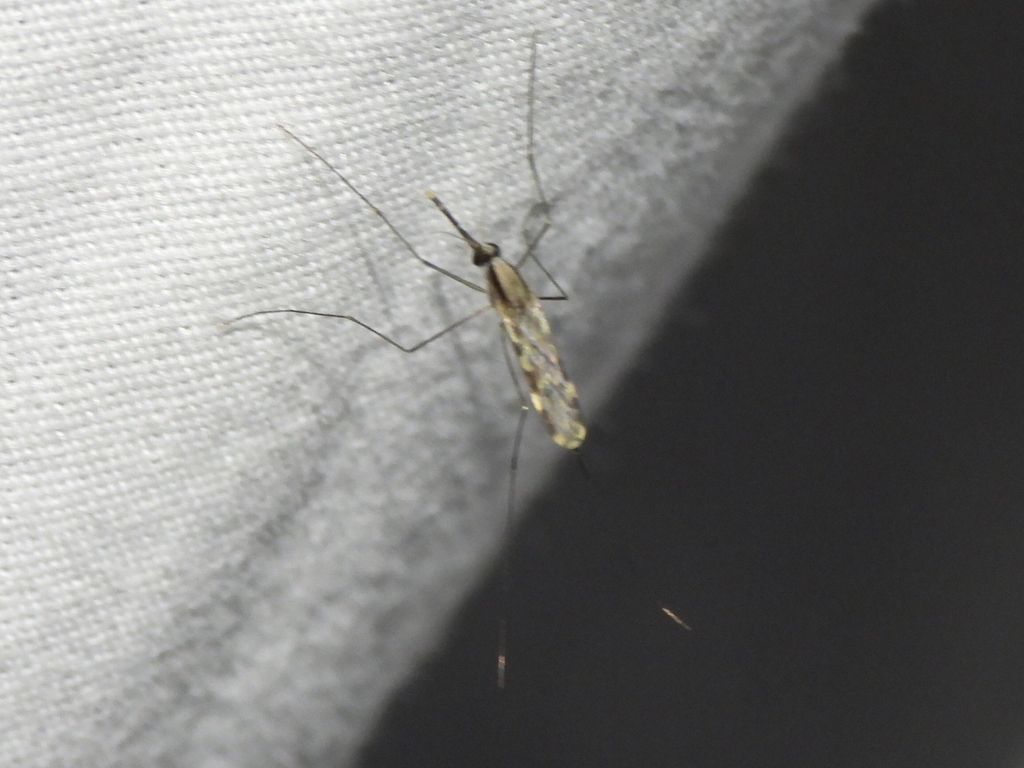
The larvae grow in sunny, shallow freshwater pools that are clear and full of filamentous green algae, often in dry valleys or foothills. Adults are most active during the dry season and can bite humans, transmitting Plasmodium vivax and other malaria parasites. Removing the filamentous algae from these pools can sharply reduce mosquito numbers and help control malaria.
Source: Wikipedia
Can it bite, sting or make you sick?
It bites humans and can transmit Plasmodium vivax and other malaria-causing parasites.
Source: Wikipedia
How to get rid of it
- Removing filamentous algae from breeding sites can greatly cut larval numbers and adult mosquitoes.
- These actions help reduce malaria transmission in endemic areas.
Source: Wikipedia
Where it lives
The larvae develop in sunny shallow freshwater pools that often occur in dry valleys or foothills. These pools are clear, shallow, and rich in filamentous green algae which the immature stages use.
Source: Wikipedia
When you see it
Adults are most active during the dry season when breeding sites are common.
Source: Wikipedia
Where it is found in the US
Recorded in 7 of 51 states and DC. Most records: Texas, Arizona, Oklahoma, California, Kansas, Louisiana, Alabama.
Darker = more records. Counts are museum and citizen-science records, not population size.
Source: GBIF
Months it is reported in the US
Source: GBIF
More photos
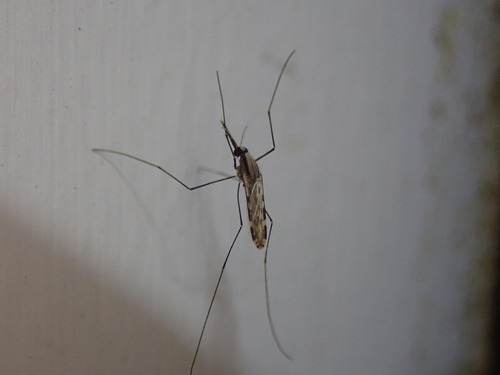
Questions people ask
What kind of water bodies do the larvae need?
The larvae grow in sunny, shallow freshwater pools that are clear and contain abundant filamentous green algae.
Source: Wikipedia
What disease can they transmit?
They can bite people and spread Plasmodium vivax and other malaria-causing parasites.
Source: Wikipedia
How can their populations be reduced?
Reducing filamentous algae in breeding sites lowers larval and adult numbers, which helps control malaria.
Source: Wikipedia
Same family (Culicidae)
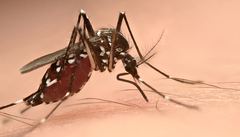 Asian Tiger MosquitoAedes albopictusCan spread germs or disease
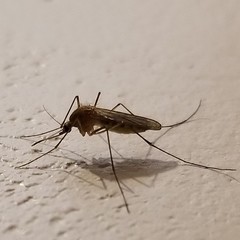 House Mosquito ComplexCulex pipiensCan spread germs or disease
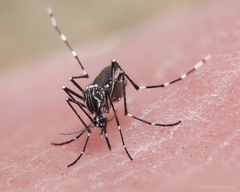 Yellow Fever MosquitoAedes aegyptiCan spread germs or disease
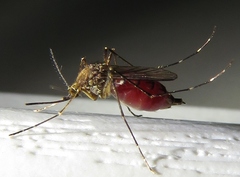 Inland Floodwater MosquitoAedes vexansCan spread germs or disease
 Asian Bush MosquitoAedes japonicusCan bite
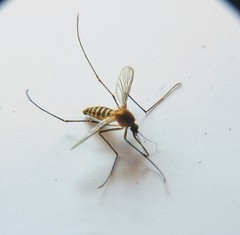 Southern House MosquitoCulex quinquefasciatusCan spread germs or disease
Sources
- Wikipedia: https://en.wikipedia.org/wiki/Anopheles_pseudopunctipennis
Look it up elsewhere: GBIF · iNaturalist · BugGuide · ITIS · Wikipedia
Text written 2026-10-27 from the sources above and checked sentence by sentence against them. Data fetched 2026-10-27.