 Bug FAQ
American Holly Leafminer
Phytomyza ilicicola · Order: Diptera · Family: Agromyzidae
Source: Wikipedia
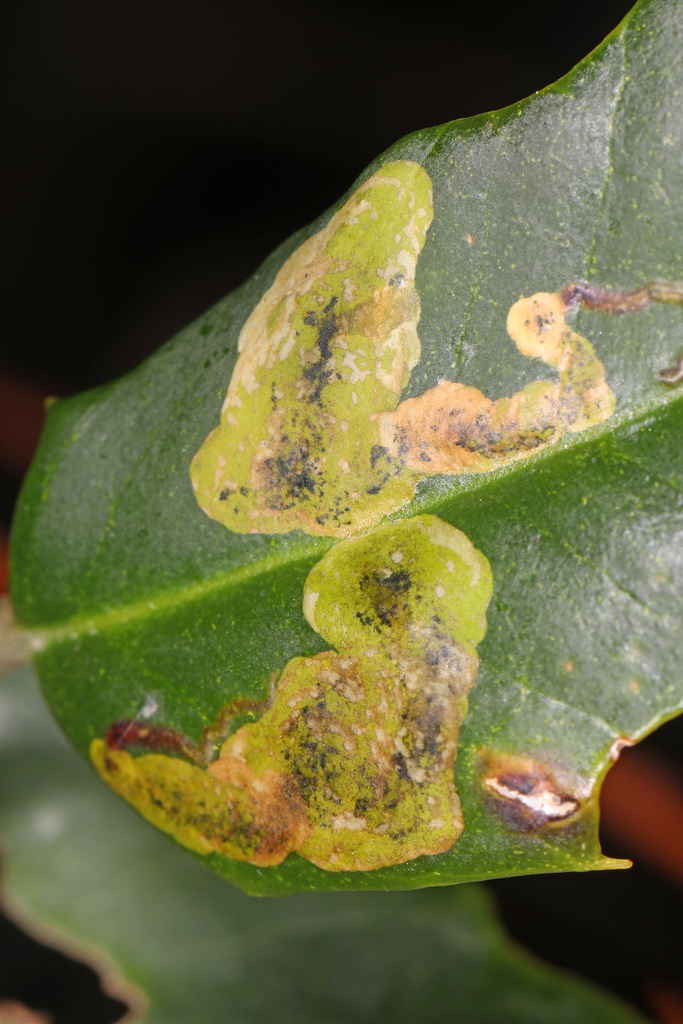
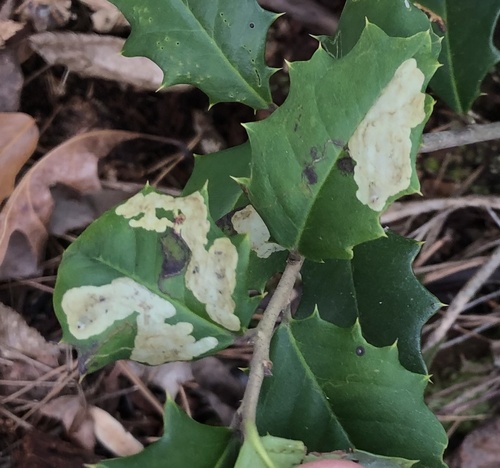
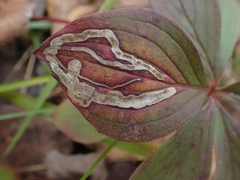
The American holly leafminer is a leaf-mining fly in the family Agromyzidae. It feeds on the leaves of American holly, creating mines that can weaken the plant. Because it feeds on holly foliage, it is considered a pest of American holly trees.
Source: Wikipedia
How to recognize it
It is a leaf-miner fly that targets American holly.
Source: Wikipedia
Is it a pest in the house?
It is considered a pest of American holly.
Source: Wikipedia
Where it lives
It lives on and around American holly plants.
Source: Wikipedia
What it eats
Its diet consists of the leaves of American holly.
Source: Wikipedia
Where it comes from
It belongs to the species Phytomyza ilicicola, a leaf-miner fly in the Agromyzidae family.
Source: Wikipedia
Lookalikes
It is the native holly leafminer, a species of leaf-miner fly.
Source: Wikipedia
Where it is found in the US
Recorded in 26 of 51 states and DC. Most records: Maryland, New Jersey, New York, Virginia, North Carolina, Pennsylvania, South Carolina, Massachusetts.
Darker = more records. Counts are museum and citizen-science records, not population size.
Source: GBIF
Status: native in North America; native in United States. Source: iNaturalist
Months it is reported in the US
Source: GBIF
More photos
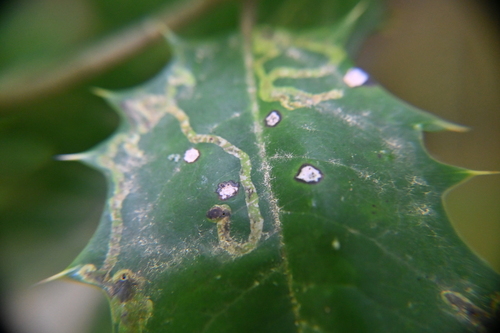
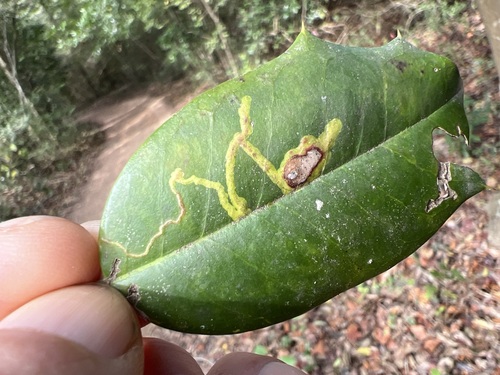
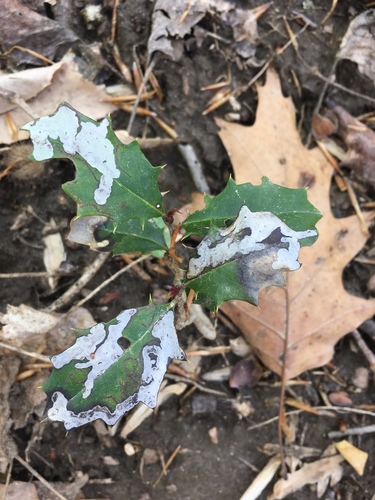
Questions people ask
What plants does the American holly leafminer damage?
It damages the leaves of American holly trees.
Source: Wikipedia
Same family (Agromyzidae)
 European Holly LeafminerPhytomyza ilicis
 Jewelweed Leaf-miner FlyPhytoliriomyza melampyga
 Agromyza vockerothiAgromyza vockerothiDamages trees, gardens or crops
 Calycomyza flavinotumCalycomyza flavinotum
 Nemorimyza posticataNemorimyza posticata
 Dogwood leaf-mining flyPhytomyza agromyzinaDamages trees, gardens or crops
Sources
- Wikipedia: https://en.wikipedia.org/wiki/Phytomyza_ilicicola
Look it up elsewhere: GBIF · iNaturalist · BugGuide · ITIS · Wikipedia
Text written 2026-10-23 from the sources above and checked sentence by sentence against them. Data fetched 2026-10-22.