 Bug FAQ
Amblyptilia repletalis
Amblyptilia repletalis · Order: Lepidoptera · Family: Pterophoridae
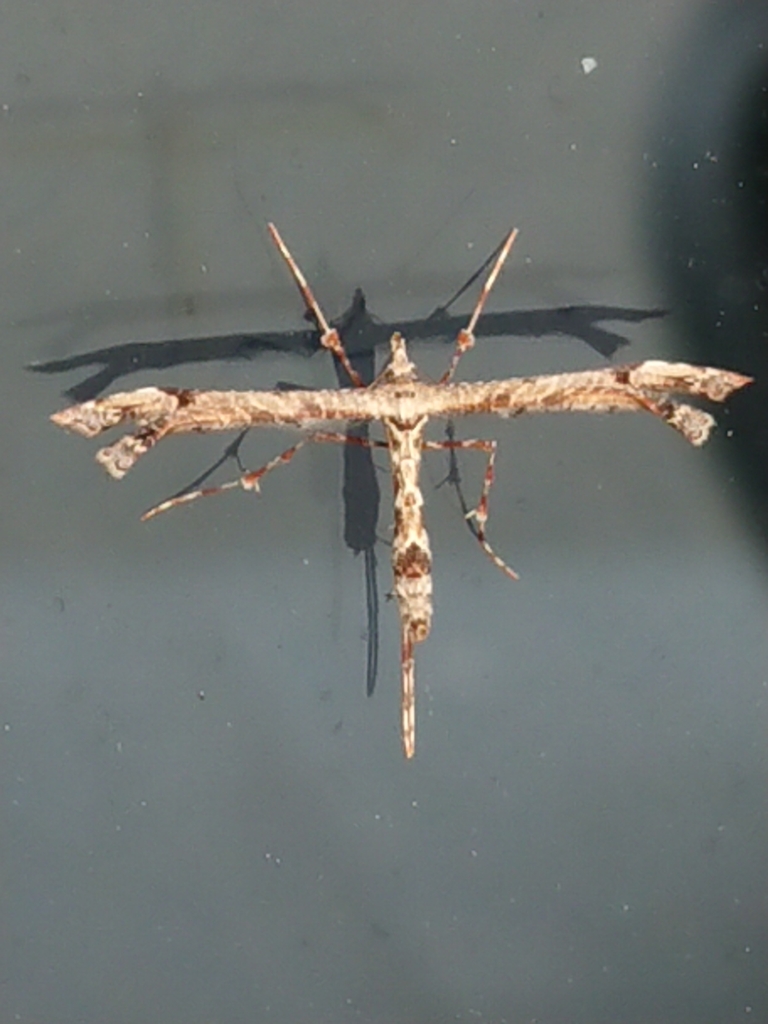
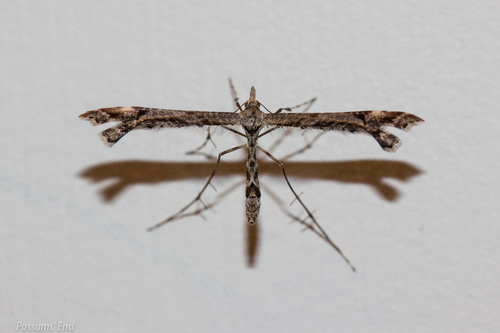
Females are slender with a rust-colored body, and their forewings are pointed with many ash-gray spots along the leading edge, plus two brown marks, a pale fawn patch and a dark zigzag submarginal line. The moth’s wingspan ranges from about 14 to 21 mm. It lives in many places such as clearings in native forests, shrubland, coastal dunes and garden areas.
Source: Wikipedia
How to recognize it
Females are slender with a rust-colored body, and their forewings are pointed with many ash-gray spots along the leading edge, plus two brown marks, a pale fawn patch and a dark zigzag submarginal line.
Source: Wikipedia
Size
The moth’s wingspan ranges from about 14 to 21 mm.
Source: Wikipedia
Where it lives
It lives in many places such as clearings in native forests, shrubland, coastal dunes and garden areas.
Source: Wikipedia
When you see it
Adults can be seen flying all year round, especially at dusk and night, and they are attracted to lights.
Source: Wikipedia
Where it comes from
Amblyptilia repletalis is native to New Zealand and occurs throughout the country from the northern tip to the southern tip.
Source: Wikipedia
Lookalikes
It looks a lot like A. falcatalis but is smaller and has a less distinct dark triangular pattern on the forewings.
Source: Wikipedia
More photos
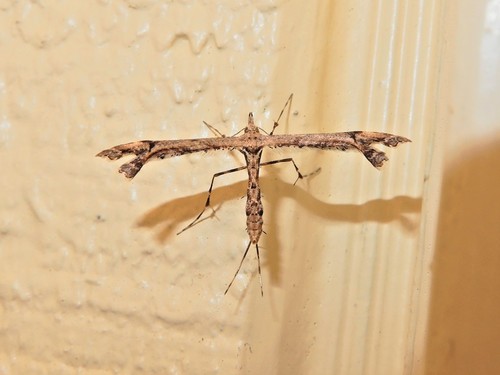
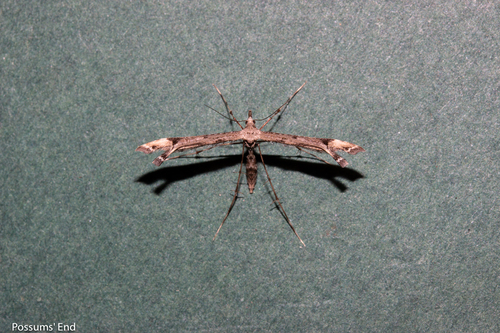
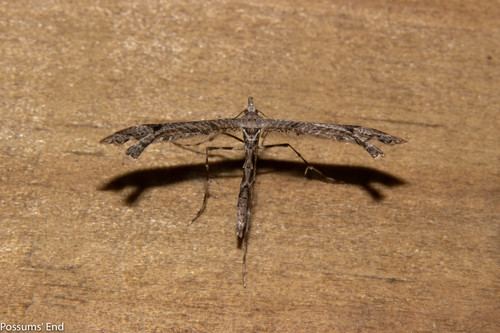
Questions people ask
Where is this moth found?
It is endemic to New Zealand and occurs from North Cape down to Bluff.
Source: Wikipedia
How can I tell this moth apart from similar species?
It is smaller than A. falcatalis and has a less distinct dark triangular pattern on its forewings.
Source: Wikipedia
Same family (Pterophoridae)

Sources
- Wikipedia: https://en.wikipedia.org/wiki/Amblyptilia_repletalis
Look it up elsewhere: GBIF · iNaturalist · BugGuide · Wikipedia
Text written 2026-10-23 from the sources above and checked sentence by sentence against them. Data fetched 2026-10-23.