 Bug FAQ
White Plume Moth
Pterophorus pentadactyla · Order: Lepidoptera · Family: Pterophoridae
Also called: White Plume
Source: Wikipedia
Adult moths are pure white with five feather-like plumes on the wings (two fore, three hind). Wingspan ranges from about 26 to 34 mm (1.0 to 1.3 in). They fly at night from June to August and overwinter as small larvae.
Source: Wikipedia
How to recognize it
The moth is uniformly white and its wings are split into five slender, feather-like plumes to two on the forewing and three on the hindwing.
Source: Wikipedia
Size
The wingspan measures between 26 and 34 mm (about 1.0 to 1.3 inches).
Source: Wikipedia
Is it a pest in the house?
It is listed as a pest species alongside other insects that damage crops.
Source: Wikipedia
What it eats
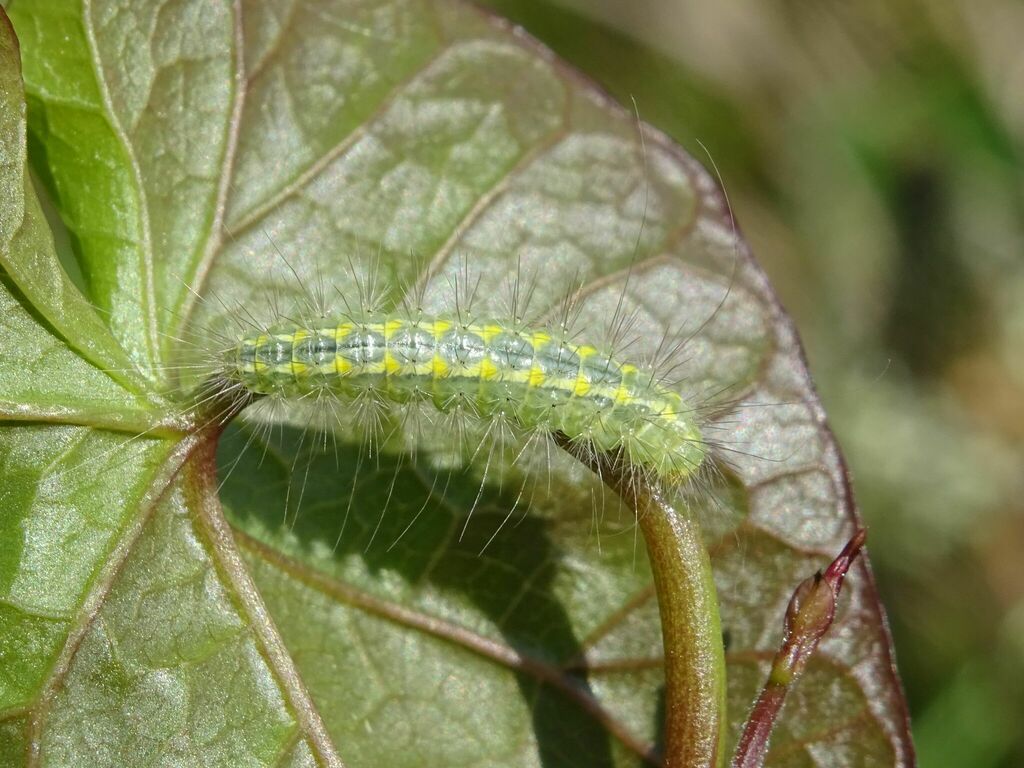
Larvae feed on bindweed species (Convolvulus) and related Convolvulaceae plants. In Nigeria the larvae also feed on sweet-potato (Ipomoea batatas).
Source: Wikipedia
Life cycle
The species overwinters as a small larva. Adults are nocturnal, emerging at dusk and are active in June and July.
Source: Wikipedia
When you see it
Moths are on the wing from June through August.
Source: Wikipedia
Where it comes from
Its range covers most of Europe, the Middle East to Iran, and North Africa.
Source: Wikipedia
Questions people ask
What plants do the larvae damage?
The larvae feed on bindweed and sweet-potato plants, which can harm garden and crop yields.
Source: Wikipedia
When can I see these moths?
Adults fly at night from June to August, especially in June and July.
Source: Wikipedia
Where are white plume moths found?
They occur across Europe, the Middle East to Iran, and North Africa, often in grasslands and gardens.
Source: Wikipedia
Same family (Pterophoridae)
Sources
- Wikipedia: https://en.wikipedia.org/wiki/Pterophorus_pentadactyla
Look it up elsewhere: GBIF · iNaturalist · BugGuide · Wikipedia
Text written 2026-10-22 from the sources above and checked sentence by sentence against them. Data fetched 2026-10-22.