 Bug FAQ
White-spotted Chionodes Moth
Chionodes fuscomaculella · Order: Lepidoptera · Family: Gelechiidae
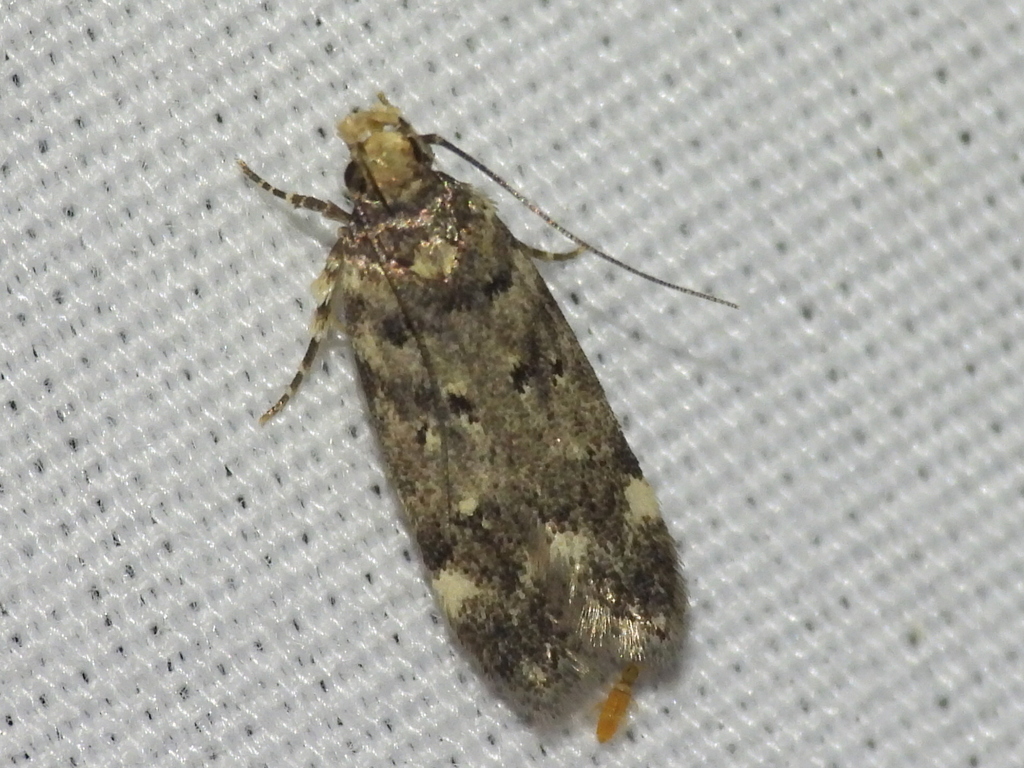
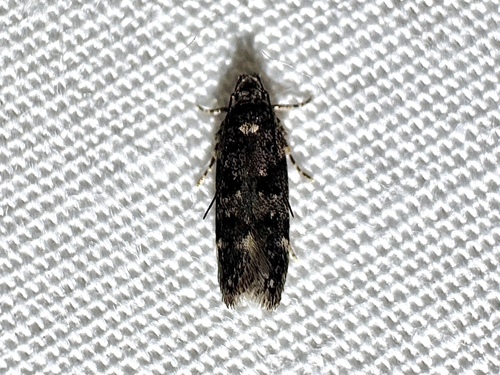
The adult moth has forewings dusted with brown that form irregular spots and blotches. It lives in North America, from eastern Canada down the east coast to Florida and west to Wisconsin, Texas and Oklahoma. Its caterpillars feed on several oak species, American beech, and hickories.
Source: Wikipedia
How to recognize it
Forewings are dusted with brown and show irregular spots and blotches.
Source: Wikipedia
Where it lives
It is found across North America, from Nova Scotia and Quebec down to Florida and west to Wisconsin, Texas and Oklahoma.
Source: Wikipedia
Where it comes from
Its range includes eastern Canada and the eastern United States.
Source: Wikipedia
Where it is found in the US
Recorded in 28 of 51 states and DC. Most records: Maryland, Mississippi, Oklahoma, Virginia, Arkansas, Michigan, Tennessee, Texas.
Darker = more records. Counts are museum and citizen-science records, not population size.
Source: GBIF
Status: native in North America; native in Canada; native in United States. Source: iNaturalist
Months it is reported in the US
Source: GBIF
More photos
Questions people ask
Where is the White-spotted Chionodes Moth found?
It occurs from eastern Canada down the east coast of the United States to Florida and west to Wisconsin, Texas and Oklahoma.
Source: Wikipedia
What does the adult White-spotted Chionodes Moth look like?
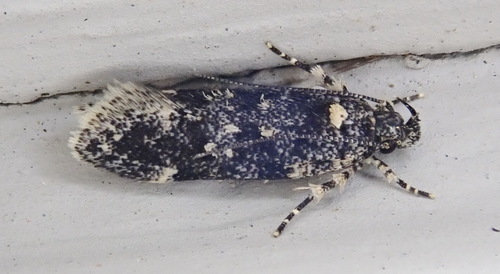
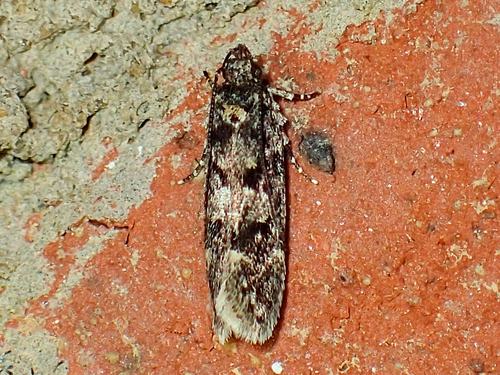
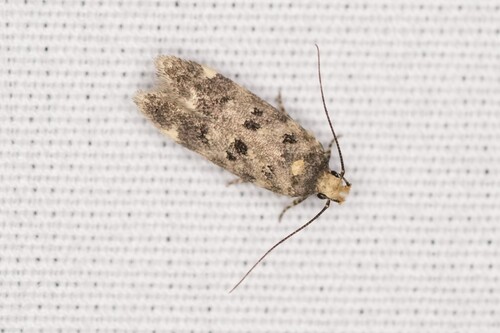
Its forewings are dusted with brown, forming irregular spots and blotches.
Source: Wikipedia
Same family (Gelechiidae)
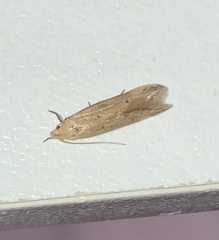 Angoumois Grain MothSitotroga cerealellaDamages trees, gardens or crops
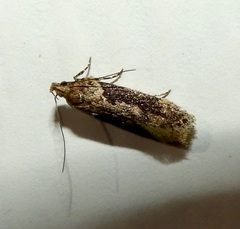 Black-smudged Chionodes MothChionodes mediofuscella
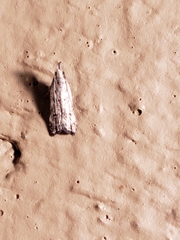 Inverse and Kimball's Dichomeris MothsDichomeris inversella
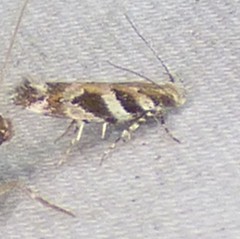 Pink-washed Aristotelia MothAristotelia roseosuffusella
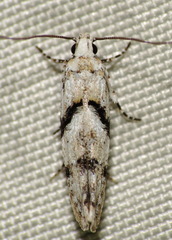 White Stripe-backed MothArogalea cristifasciella
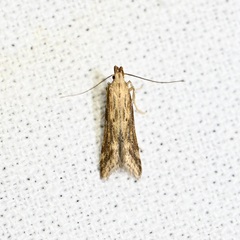 Burdock Seedhead MothMetzneria lappella
Sources
- Wikipedia: https://en.wikipedia.org/wiki/Chionodes_fuscomaculella
Look it up elsewhere: GBIF · iNaturalist · BugGuide · Wikipedia
Text written 2026-10-26 from the sources above and checked sentence by sentence against them. Data fetched 2026-10-26.