 Bug FAQ
Western Thatching Ant
Formica obscuripes · Order: Hymenoptera · Family: Formicidae
Also called: Thatching ant
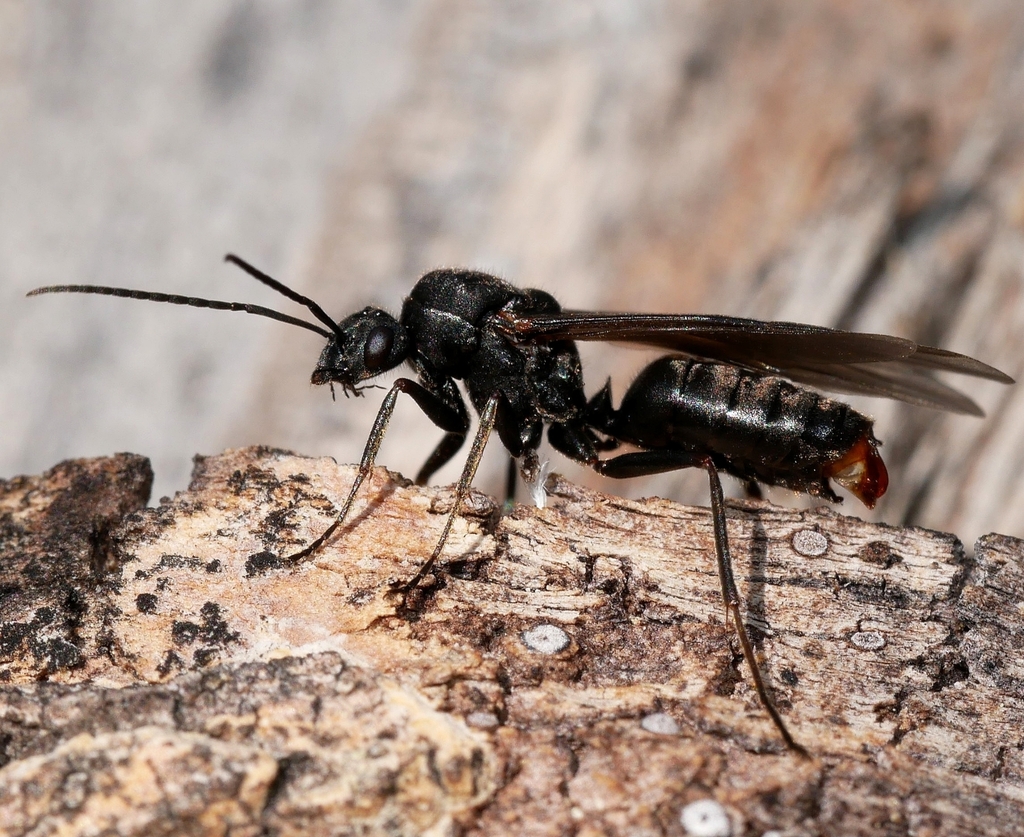
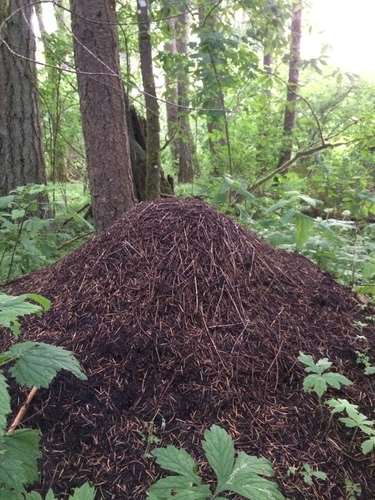
Western Thatching Ant builds mounds that can be 1 to 18 inches tall, depending on colony age and health. In the Pacific Northwest, queens have completely black bodies with red heads. They live in open, sunny spots across many North American habitats.
Source: Wikipedia
How to recognize it
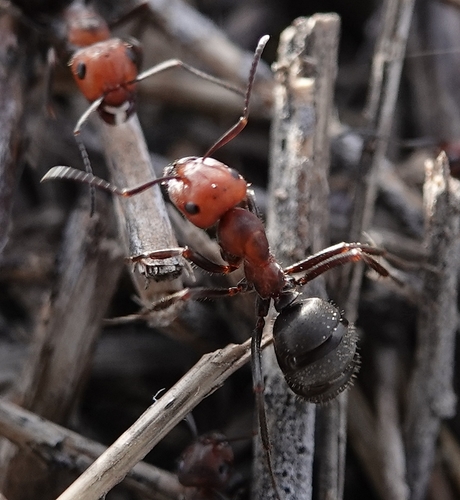
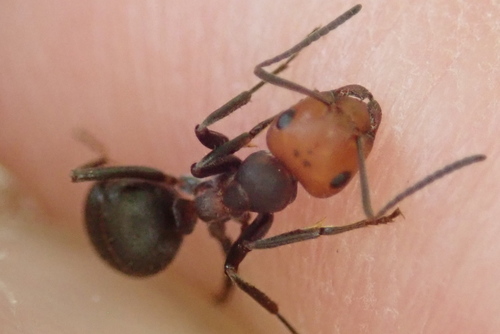
Queens in the Pacific Northwest are all black with red heads.
Source: Wikipedia
Size
Mound height varies from about 1 inch to 18 inches, larger mounds mean older or healthier colonies.
Source: Wikipedia
Where it lives
They are found in many North American habitats, especially in open areas without cover where the nest gets sunlight.
Source: Wikipedia
What it eats
They eat other insects, drink nectar from tended homopterans, and sometimes eat plant tissue.
Source: Wikipedia
Where it comes from
The species is native to North America.
Source: Wikipedia
Where it is found in the US
Recorded in 25 of 51 states and DC. Most records: Washington, Utah, Colorado, South Dakota, California, Oregon, Idaho, Montana.
Darker = more records. Counts are museum and citizen-science records, not population size.
Source: GBIF
Status: native in North America; native in Canada; native in United States. Source: iNaturalist
Months it is reported in the US
Source: GBIF
More photos
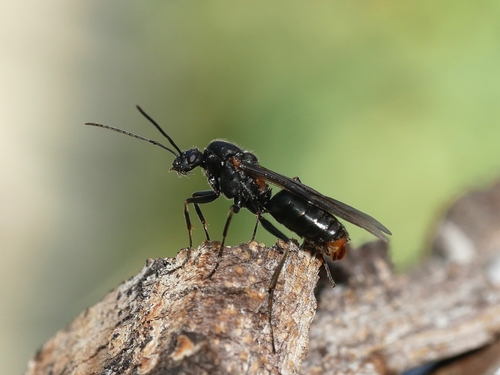
Same family (Formicidae)
 Eastern Black Carpenter AntCamponotus pennsylvanicusCan damage your home
 Red Imported Fire AntSolenopsis invictaCan sting
 American Winter AntPrenolepis imparis
 Argentine AntLinepithema humileNuisance, not dangerous
 Immigrant Pavement AntTetramorium immigransCan sting
 Odorous House AntTapinoma sessileCan damage your home
Sources
- Wikipedia: https://en.wikipedia.org/wiki/Formica_obscuripes
Look it up elsewhere: GBIF · iNaturalist · BugGuide · ITIS · Wikipedia
Text written 2026-10-22 from the sources above and checked sentence by sentence against them. Data fetched 2026-10-22.