 Bug FAQ
West Virginia White
Pieris virginiensis · Order: Lepidoptera · Family: Pieridae
Also called: West Virginia White Butterfly
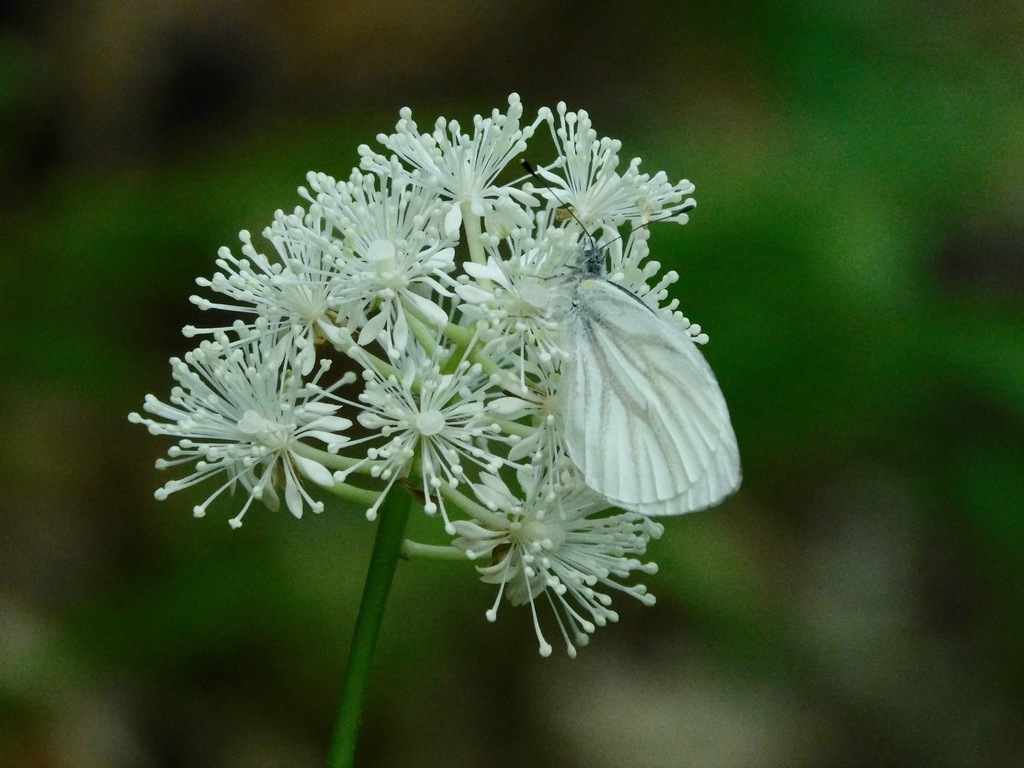
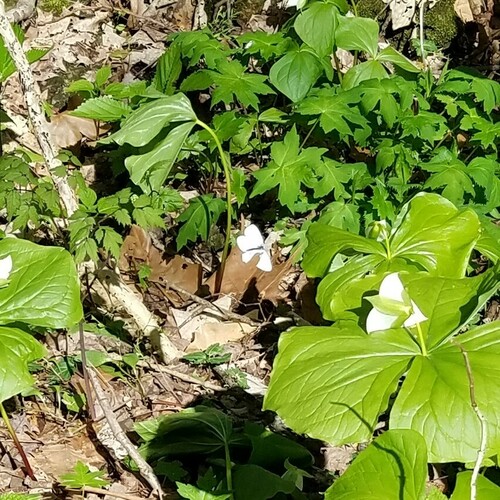
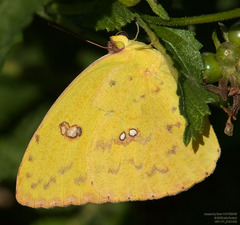
The West Virginia White is a small, almost transparent white butterfly that may show faint tawny or gray tones on the hindwing veins underneath. It lives in moist deciduous forests of the eastern United States and nearby Canada, staying in shaded areas and rarely venturing into open spaces. Adults appear for about a month in early spring, lay single eggs on Cardamine diphylla, and the caterpillars feed on that plant before overwintering as pupae.
Source: Wikipedia
How to recognize it
The hindwing underside can have a hazy brown or pale gray coloration along the veins.
Source: Wikipedia
Size
It is a small butterfly with semi-transparent white wings.
Source: Wikipedia
Where it lives
It prefers moist deciduous forests and stays in shaded forest areas, avoiding open habitats.
Source: Wikipedia
What it eats
Females lay eggs on the underside of Cardamine diphylla leaves, and the larvae feed on that plant’s foliage.
Source: Wikipedia
Life cycle
There is one generation per year; eggs hatch in 3 to 8 days, larvae develop for 15 to 20 days, then pupae may overwinter for several seasons before emerging as adults in spring.
Source: Wikipedia
When you see it
Adults are active for about a month in early spring, typically April or May.
Source: Wikipedia
Where it comes from
It is native to the eastern United States and central Canada.
Source: Wikipedia
Lookalikes
It competes with the introduced Cabbage White (Pieris rapae) for nectar and host plants, and both can be attacked by the parasitoid wasp Cotesia glomerata.
Source: Wikipedia
Where it is found in the US
Recorded in 23 of 51 states and DC. Most records: Tennessee, Vermont, Michigan, West Virginia, North Carolina, New York, Ohio, Pennsylvania.
Darker = more records. Counts are museum and citizen-science records, not population size.
Source: GBIF
Status: native in North America; native in Canada; native in United States. Source: iNaturalist
Months it is reported in the US
Source: GBIF
More photos
Questions people ask
When can I expect to see West Virginia White butterflies?
They are on the wing for about a month in early spring, usually in April or May.
Source: Wikipedia
What plants do the caterpillars eat?
The larvae feed on the leaves of Cardamine diphylla.
Source: Wikipedia
Where does this butterfly live?
It lives in moist deciduous forests of the eastern United States and central Canada, staying in shaded forest areas.
Source: Wikipedia
Same family (Pieridae)


Sources
- Wikipedia: https://en.wikipedia.org/wiki/Pieris_virginiensis
Look it up elsewhere: GBIF · iNaturalist · BugGuide · ITIS · Wikipedia
Text written 2026-10-23 from the sources above and checked sentence by sentence against them. Data fetched 2026-10-23.