 Bug FAQ
Vine's Rustic
Hoplodrina ambigua · Order: Lepidoptera · Family: Noctuidae
Also called: vines rustic
Source: Wikipedia
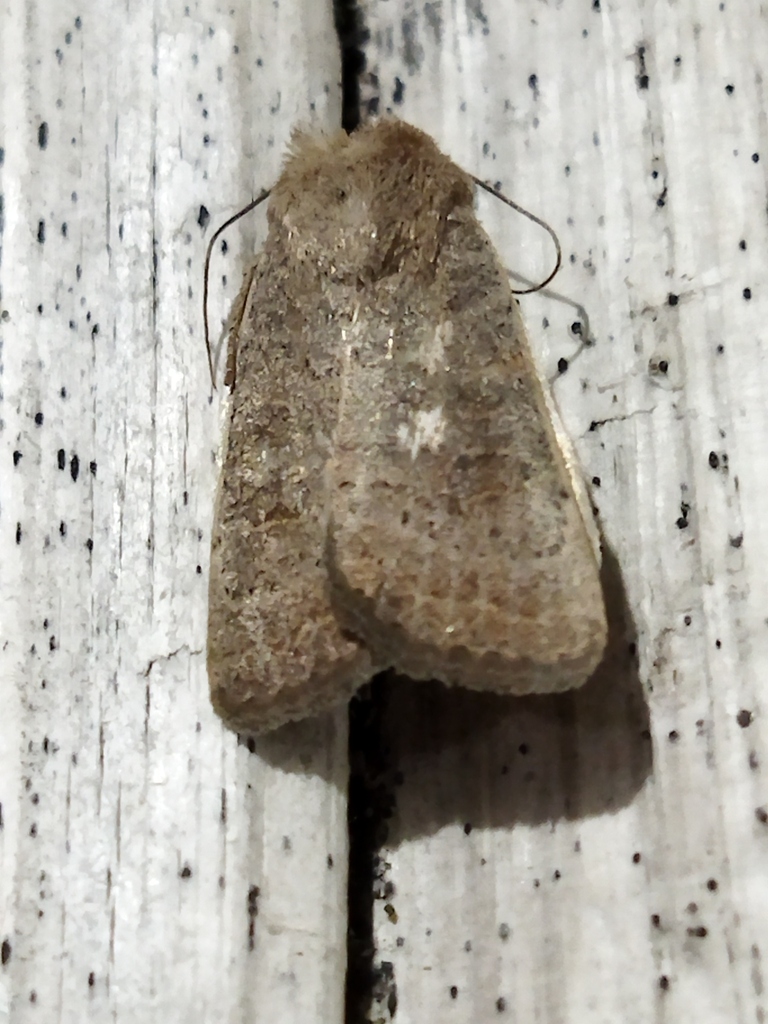
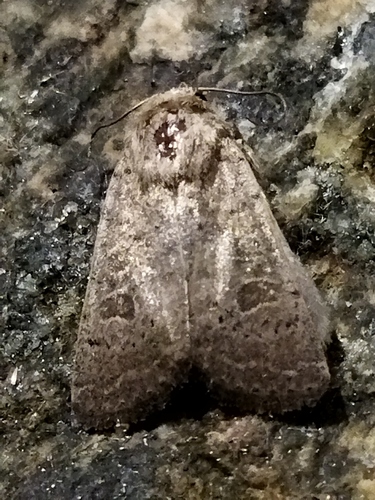
Adults have a wingspan of about 33 mm and forewings 14 mm long, with grey-ochreous wings marked by dark lines and pale rings around the stigmata. They fly in two generations from early May through mid-October across much of the western Palearctic region.
Source: Wikipedia
How to recognize it
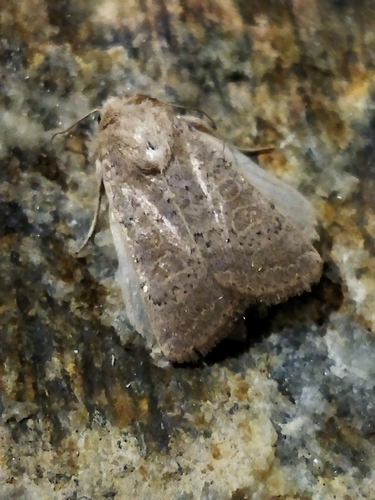
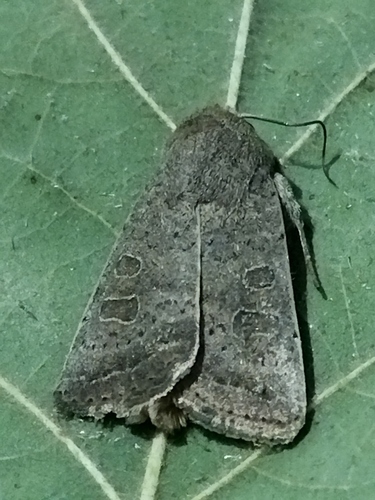
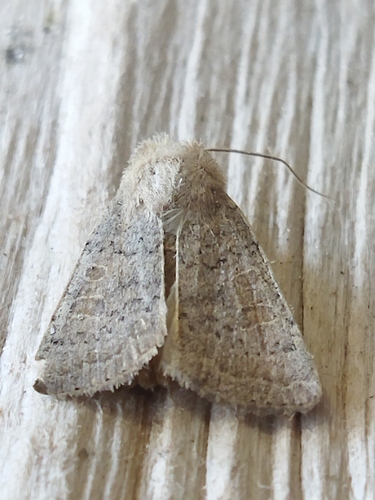
The forewings are greyish-ochreous, sometimes brown-washed, with dark grey lines and stigmata surrounded by pale rings; a luteous submarginal line is preceded by a dark shade.
Source: Wikipedia
Size
Wingspan ranges from 32 to 34 mm. Forewing length is 13 to 15 mm.
Source: Wikipedia
What it eats
Larvae are polyphagous, feeding on many herbaceous plants such as beet, artichoke, alfalfa and dandelion.
Source: Wikipedia
Life cycle
The species produces two generations each year, with adults on the wing from early May to mid-October.
Source: Wikipedia
When you see it
Adults are active in two flight periods spanning early May through mid-October.
Source: Wikipedia
Where it comes from
It occurs throughout the western Palearctic, from central and southern Europe to North Africa, parts of Russia, Central Asia and the Near East.
Source: Wikipedia
Lookalikes
It can be confused with Hoplodrina octogenaria and Hoplodrina blanda.
Source: Wikipedia
More photos
Questions people ask
What plants do Rustic moth larvae eat?
The caterpillars feed on a variety of herbaceous plants, including beet, artichoke, alfalfa and dandelion.
Source: Wikipedia
When are Rustic moths active?
Adults fly in two generations from early May until mid-October.
Source: Wikipedia
How can I tell Rustic moth apart from similar species?
Look for grey-ochreous forewings with dark grey lines, pale rings around the stigmata and a luteous submarginal line; it is often confused with Hoplodrina octogenaria and Hoplodrina blanda.
Source: Wikipedia
Same family (Noctuidae)
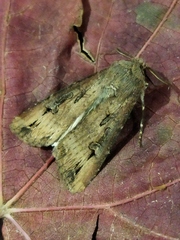 Ipsilon Dart MothAgrotis ipsilonDamages trees, gardens or crops
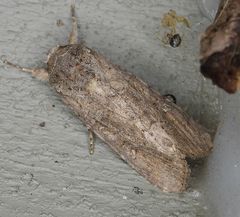 Fall Armyworm MothSpodoptera frugiperdaDamages trees, gardens or crops
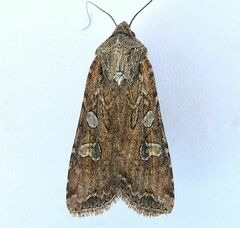 Army Cutworm MothEuxoa auxiliarisDamages trees, gardens or crops
 Large Yellow UnderwingNoctua pronubaDamages trees, gardens or crops
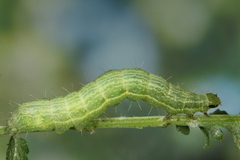 Silver ΥAutographa gamma
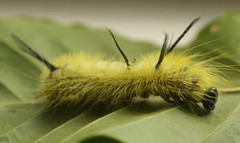 American DaggerAcronicta americanaCan irritate skin
Sources
- Wikipedia: https://en.wikipedia.org/wiki/Hoplodrina_ambigua
Look it up elsewhere: GBIF · iNaturalist · BugGuide · Wikipedia
Text written 2026-10-22 from the sources above and checked sentence by sentence against them. Data fetched 2026-10-22.