 Bug FAQ
Treble Bar
Aplocera plagiata · Order: Lepidoptera · Family: Geometridae
Also called: The Treble-bar, Treble-bar Moth

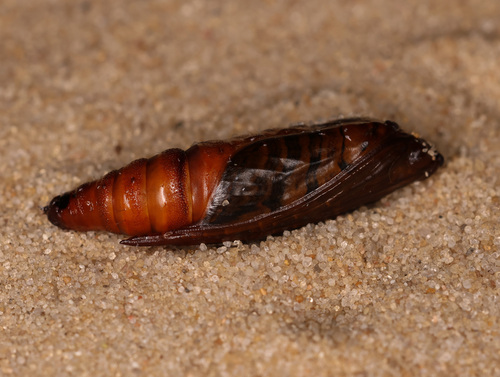
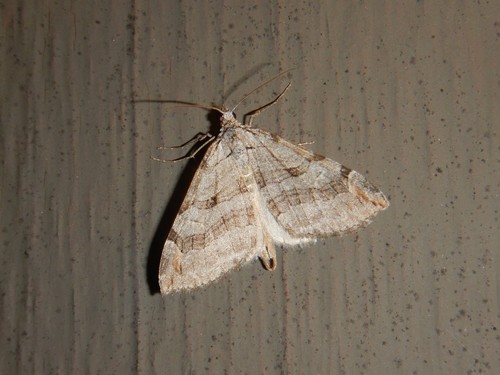
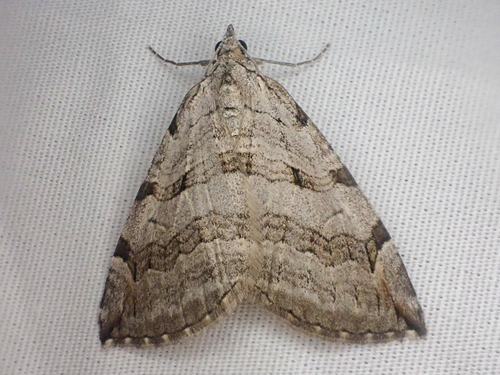
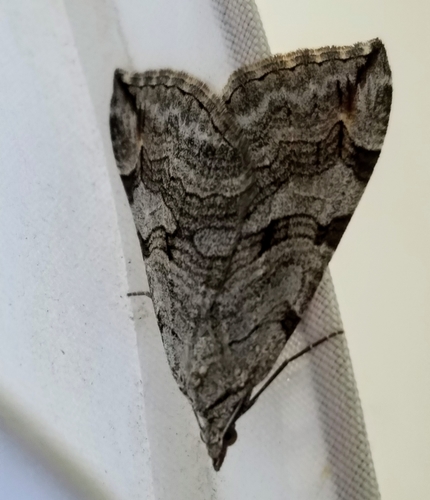
The treble bar moth has a wingspan of about 37 to 43 mm and is generally grey with three dark bands across each forewing that look like a musical staff. It lives across the Palearctic region and the Near East and the adults are on the wing from May to September in the British Isles. The caterpillars feed on various St John’s wort species (Hypericum).
Source: Wikipedia
How to recognize it
The forewings show three dark fascia that resemble a musical staff, giving the moth its common name.
Source: Wikipedia
Size
Wingspan varies between 37 and 43 mm.
Source: Wikipedia
When you see it
Adults can be seen from May through September in the British Isles.
Source: Wikipedia
Lookalikes
It is hard to tell apart from its close relative Aplocera efformata.
Source: Wikipedia
Where it is found in the US
Recorded in 12 of 51 states and DC. Most records: Washington, Oregon, Montana, Idaho, Colorado, Maine, Vermont, New York.
Darker = more records. Counts are museum and citizen-science records, not population size.
Source: GBIF
Status: introduced in Canada; introduced in United States. Source: iNaturalist
Months it is reported in the US
Source: GBIF
More photos
Questions people ask
When can I see treble bar moths?
Adults are active from May to September in the British Isles.
Source: Wikipedia
What do treble bar moths look like?
They are grey with three dark bands across each forewing that look like a musical staff.
Source: Wikipedia
What other moth looks similar to the treble bar?
It can be confused with its congener Aplocera efformata.
Source: Wikipedia
Same family (Geometridae)




Sources
- Wikipedia: https://en.wikipedia.org/wiki/Treble-bar
Look it up elsewhere: GBIF · iNaturalist · BugGuide · ITIS · Wikipedia
Text written 2026-10-24 from the sources above and checked sentence by sentence against them. Data fetched 2026-10-24.