 Bug FAQ
Texas Thief Ant
Solenopsis abdita · Order: Hymenoptera · Family: Formicidae
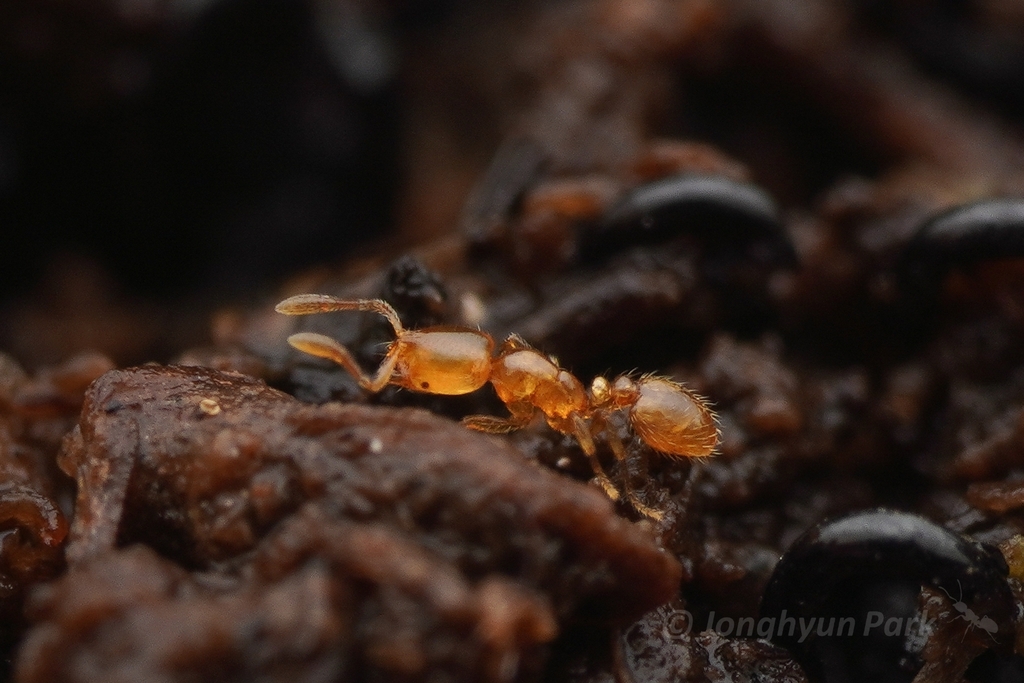
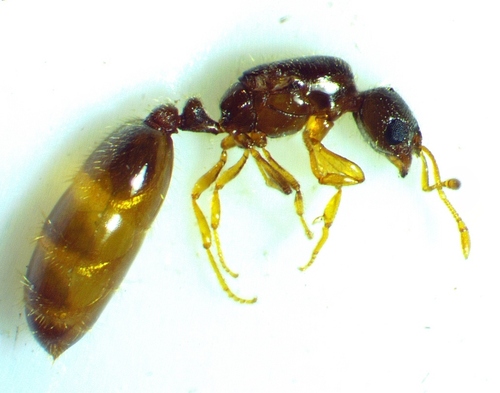
Workers are yellow and measure about 1.1 to 1.3 mm long. Queens are brown to dark brown and have white wings. The ant nests in rotten wood in pine-oak forests and workers are also found in leaf litter.
Source: Wikipedia
How to recognize it
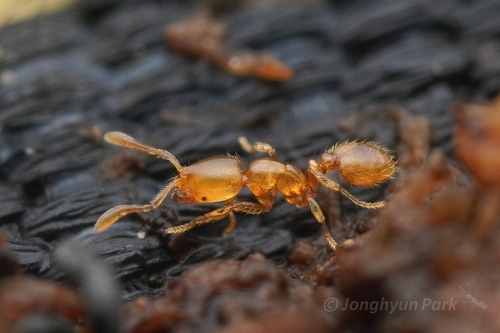
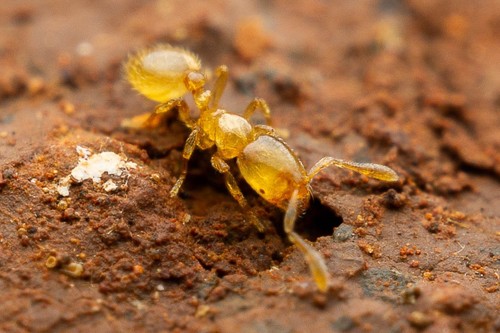
Workers are yellow in color. Queens appear brown to dark brown and have white wings.
Source: Wikipedia
Size
Workers are 1.1 to 1.3 mm (0.04 to 0.05 in) long.
Source: Wikipedia
How to get rid of it
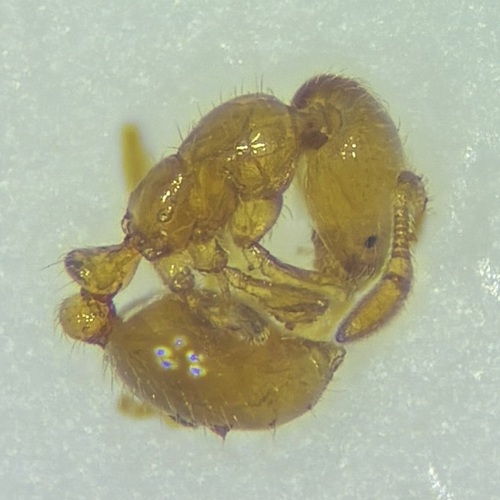
Identifying queens and males is the main way to separate it from similar species, but workers are usually the only ones collected.
Source: Wikipedia
Where it lives
They nest in rotten wood within pine-oak forests. Workers are collected from leaf litter.
Source: Wikipedia
Where it comes from
The species is native to Florida and may also occur in surrounding states.
Source: Wikipedia
Lookalikes
It can be confused with Solenopsis texana and S. carolinensis.
Source: Wikipedia
Where it is found in the US
Recorded in 2 of 51 states and DC. Most records: Florida, Georgia.
Darker = more records. Counts are museum and citizen-science records, not population size.
Source: GBIF
Status: native in North America; native in United States; native in Canada. Source: iNaturalist
Months it is reported in the US
Source: GBIF
More photos
Questions people ask
How can I tell Texas thief ants apart from similar species?
Look for queens with brown to dark brown bodies and white wings; distinguishing workers usually requires examining queens or males, which are rarely collected.
Source: Wikipedia
Where are Texas thief ants found?
They are native to Florida and may also be present in nearby states.
Source: Wikipedia
Same family (Formicidae)
 Eastern Black Carpenter AntCamponotus pennsylvanicusCan damage your home
 Red Imported Fire AntSolenopsis invictaCan sting
 American Winter AntPrenolepis imparis
 Argentine AntLinepithema humileNuisance, not dangerous
 Immigrant Pavement AntTetramorium immigransCan sting
 Odorous House AntTapinoma sessileCan damage your home
Sources
- Wikipedia: https://en.wikipedia.org/wiki/Solenopsis_abdita
Look it up elsewhere: GBIF · iNaturalist · BugGuide · ITIS · Wikipedia
Text written 2026-10-25 from the sources above and checked sentence by sentence against them. Data fetched 2026-10-25.