 Bug FAQ
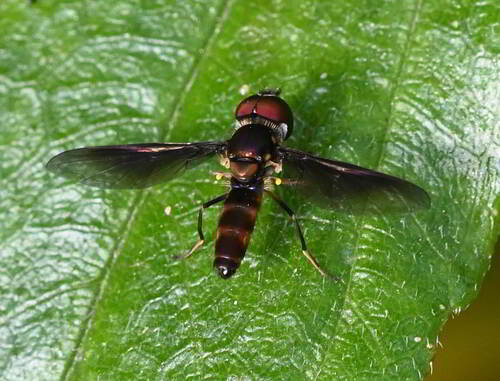
Stubby Hover Fly
Ocyptamus antiphates · Order: Diptera · Family: Syrphidae
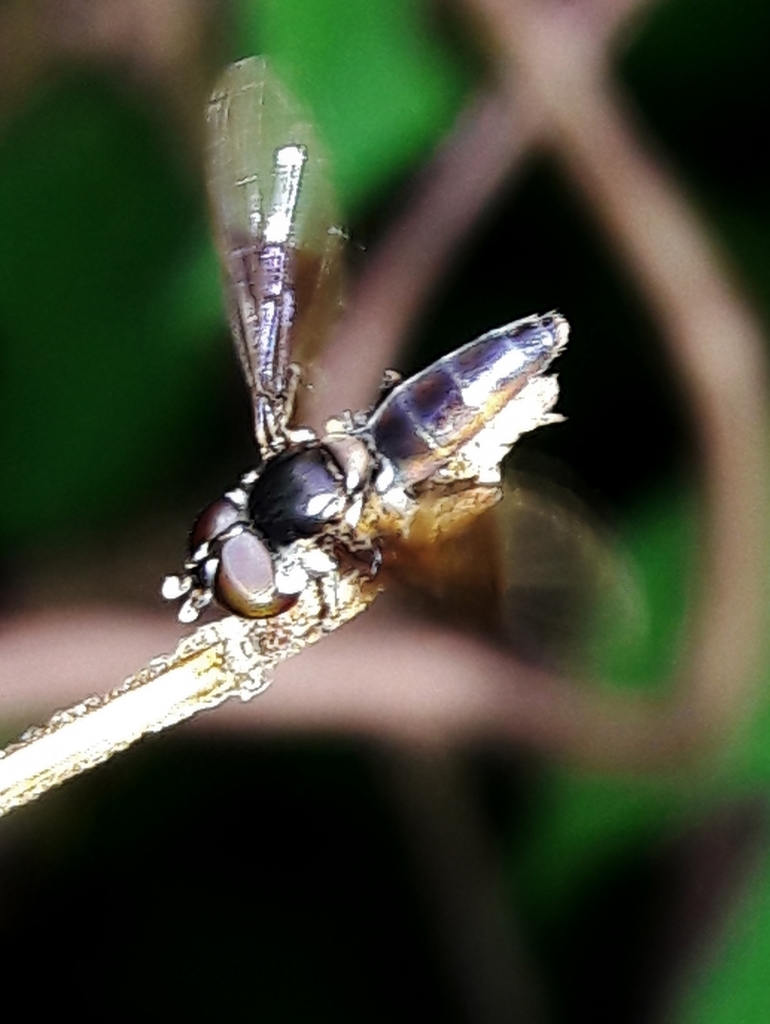
The stubby hover fly, Ocyptamus antiphates, is a syrphid fly in the family Syrphidae. All available sources simply note its taxonomic placement without giving details on behavior, diet, or impact.
Source: Wikipedia
Is it a pest in the house?
It is a syrphid fly belonging to the family Syrphidae.
Source: Wikipedia
Can it bite, sting or make you sick?
It is a syrphid fly belonging to the family Syrphidae.
Source: Wikipedia
How to get rid of it
It is a syrphid fly belonging to the family Syrphidae.
Source: Wikipedia
Where it lives
It is a syrphid fly belonging to the family Syrphidae.
Source: Wikipedia
What it eats
It is a syrphid fly belonging to the family Syrphidae.
Source: Wikipedia
Life cycle
It is a syrphid fly belonging to the family Syrphidae.
Source: Wikipedia
When you see it
It is a syrphid fly belonging to the family Syrphidae.
Source: Wikipedia
Where it comes from
It is a syrphid fly belonging to the family Syrphidae.
Source: Wikipedia
Where it is found in the US
Recorded in 1 of 51 states and DC. Most records: Florida.
Darker = more records. Counts are museum and citizen-science records, not population size.
Source: GBIF
Months it is reported in the US
Source: GBIF
More photos
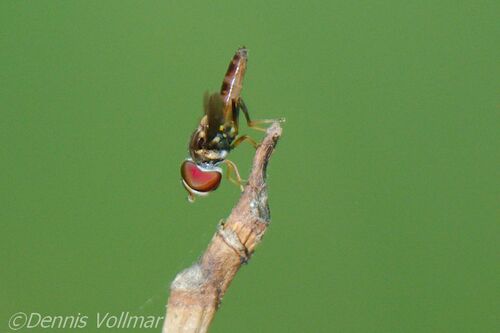
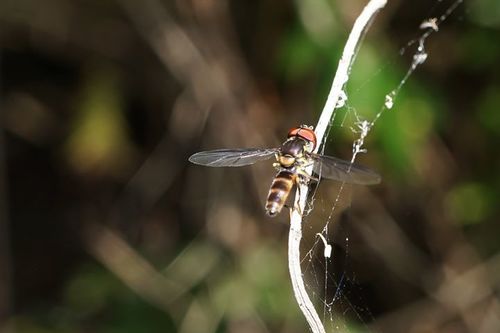
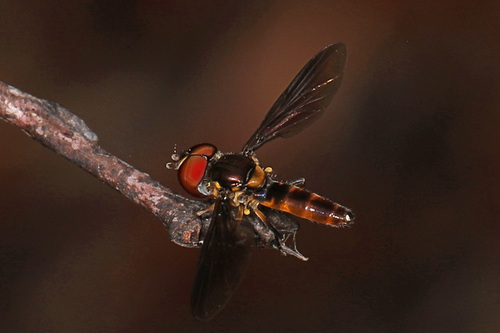
Questions people ask
What family does the stubby hover fly belong to?
It belongs to the family Syrphidae.
Source: Wikipedia
Same family (Syrphidae)






Sources
- Wikipedia: https://en.wikipedia.org/wiki/Ocyptamus_antiphates
Look it up elsewhere: GBIF · iNaturalist · BugGuide · ITIS · Wikipedia
Text written 2026-10-28 from the sources above and checked sentence by sentence against them. Data fetched 2026-10-28.