 Bug FAQ
Square-spotted Dart
Agnorisma bollii · Order: Lepidoptera · Family: Noctuidae
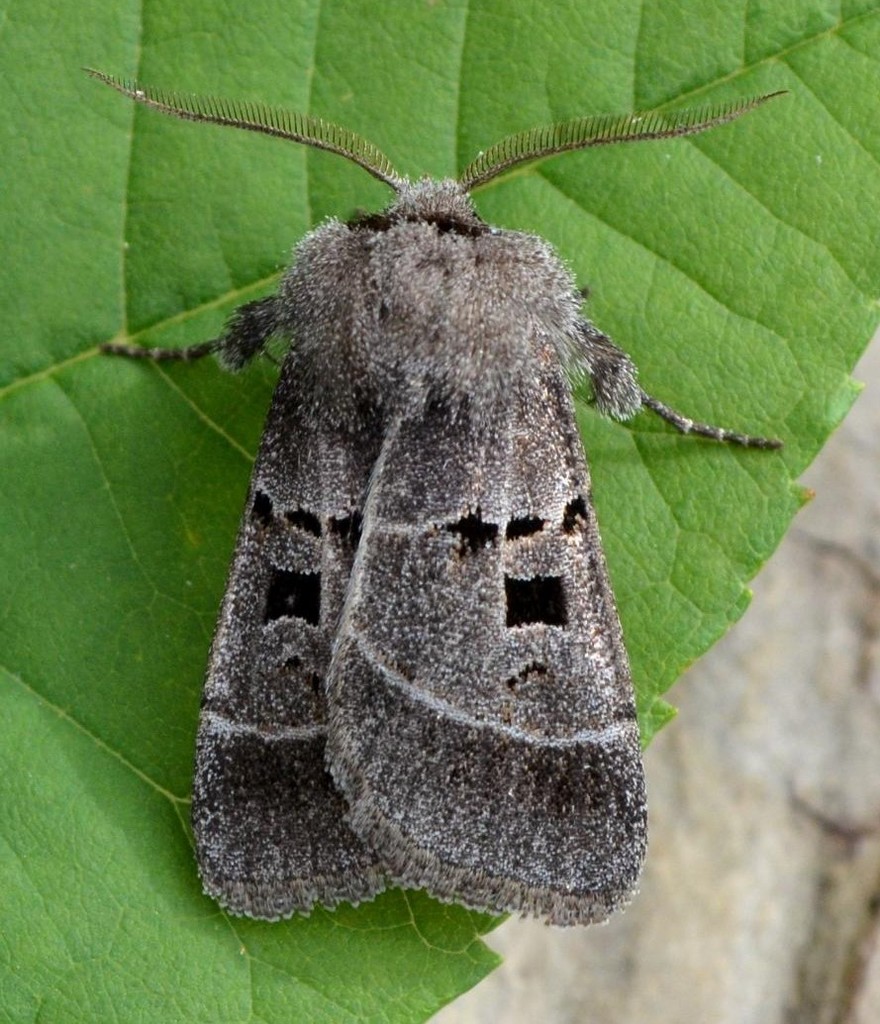
The adult moth has a wingspan of about 32 mm. It is found in a few states west of the Appalachians and in the Chesapeake Bay area, including Maryland, Ohio, Kentucky, Arkansas and Kansas. Adults are on the wing from August through October, depending on location.
Source: Wikipedia
How to recognize it
Agnorisma bollii belongs to the moth family Noctuidae.
Source: Wikipedia
Size
The wingspan measures roughly 32 mm.
Source: Wikipedia
What it eats
The larval host plant has not been identified.
Source: Wikipedia
Life cycle
Adults are active from August to October, varying with location.
Source: Wikipedia
When you see it
The flight period for adults spans August through October.
Source: Wikipedia
Where it comes from
Its range includes Maryland, Ohio, Kentucky, Arkansas and Kansas.
Source: Wikipedia
Where it is found in the US
Recorded in 22 of 51 states and DC. Most records: Virginia, Maryland, Oklahoma, Missouri, Tennessee, Indiana, North Carolina, Kansas.
Darker = more records. Counts are museum and citizen-science records, not population size.
Source: GBIF
Months it is reported in the US
Source: GBIF
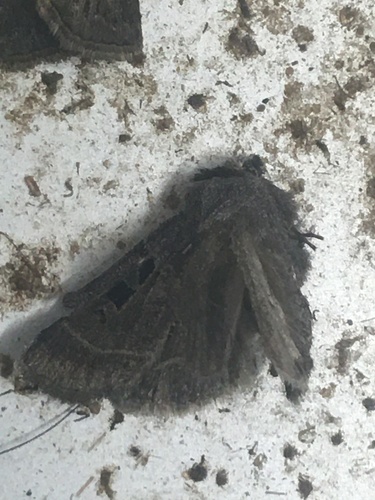
More photos
Questions people ask
When are adult Square-spotted Darts active?
Adults are on the wing from August through October, depending on where they are found.
Source: Wikipedia
Where does this species live?
It occurs in a few states west of the Appalachians and in the Chesapeake Bay region, specifically Maryland, Ohio, Kentucky, Arkansas and Kansas.
Source: Wikipedia
Same family (Noctuidae)
 Ipsilon Dart MothAgrotis ipsilonDamages trees, gardens or crops
 Fall Armyworm MothSpodoptera frugiperdaDamages trees, gardens or crops
 Army Cutworm MothEuxoa auxiliarisDamages trees, gardens or crops
 Large Yellow UnderwingNoctua pronubaDamages trees, gardens or crops
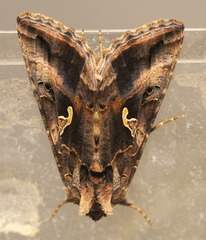 Silver ΥAutographa gamma
 American DaggerAcronicta americanaCan irritate skin
Sources
- Wikipedia: https://en.wikipedia.org/wiki/Agnorisma_bollii
Look it up elsewhere: GBIF · iNaturalist · BugGuide · ITIS · Wikipedia
Text written 2026-10-27 from the sources above and checked sentence by sentence against them. Data fetched 2026-10-27.