 Bug FAQ
Spotted Sulphur
Emmelia trabealis · Order: Lepidoptera · Family: Noctuidae
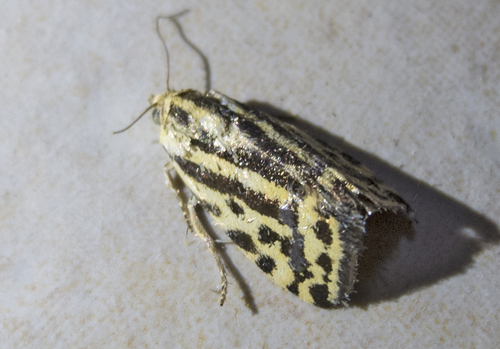
The spotted sulphur moth has a wingspan of about 18 to 24 mm and its forewings show variable black markings on a yellowish or dirty-white background, while the hindwings are reddish-brown. It flies from May to August and again from August to early September, depending on location.
Source: Wikipedia
How to recognize it
Forewings have variable black patterns on a yellowish or dirty-white ground; hindwings are reddish-brown.
Source: Wikipedia
Size
Wingspan ranges from 18 to 24 mm.
Source: Wikipedia
Where it lives
Found on sandy, dry, warm soils, in meadows and sunny slopes where bindweed grows.
Source: Wikipedia
Life cycle
Produces two overlapping generations per year, though the second may be absent in cooler years. The pupal stage overwinters.
Source: Wikipedia
When you see it
Adults are on the wing from May through August and again from August to early September, varying with location.
Source: Wikipedia
Where it comes from
Occurs across most of the Palearctic region, including Europe, North Africa, the Middle East, Russia to northern China and Japan.
Source: Wikipedia
Lookalikes
Synonyms and similar names include sulphuralis, arabica, sulphurea, trabeata, lugubris, and pardalina.
Source: Wikipedia
More photos

Questions people ask
When can I see spotted sulphur moths?
They fly from May to August and again from August to early September, depending on where you are.
Source: Wikipedia
What do the caterpillars eat?
The larvae feed on field bindweed and plants in the Polygonum genus.
Source: Wikipedia
Where does this moth like to live?
It prefers sandy, dry, warm areas such as meadows and sunny slopes where bindweed grows.
Source: Wikipedia
Same family (Noctuidae)
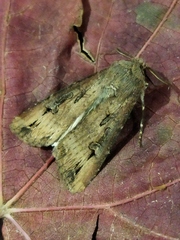 Ipsilon Dart MothAgrotis ipsilonDamages trees, gardens or crops
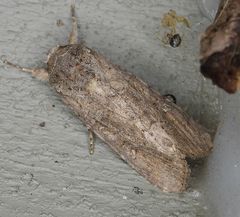 Fall Armyworm MothSpodoptera frugiperdaDamages trees, gardens or crops
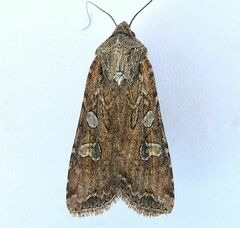 Army Cutworm MothEuxoa auxiliarisDamages trees, gardens or crops
 Large Yellow UnderwingNoctua pronubaDamages trees, gardens or crops
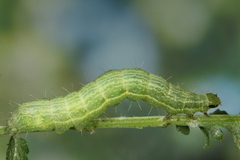 Silver ΥAutographa gamma
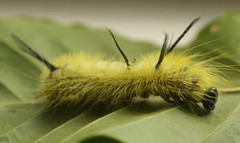 American DaggerAcronicta americanaCan irritate skin
Sources
- Wikipedia: https://en.wikipedia.org/wiki/Emmelia_trabealis
Look it up elsewhere: GBIF · iNaturalist · BugGuide · Wikipedia
Text written 2026-10-22 from the sources above and checked sentence by sentence against them. Data fetched 2026-10-22.