 Bug FAQ
Smoky Wainscot
Mythimna impura · Order: Lepidoptera · Family: Noctuidae
Also called: The Smoky Wainscot
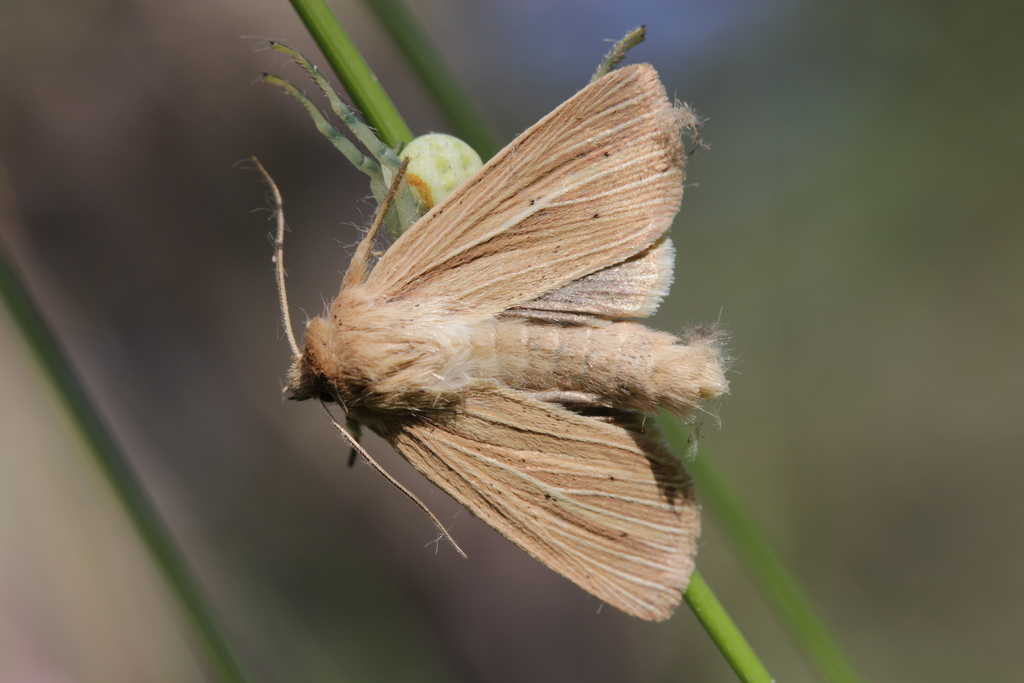
The smoky wainscot has a wingspan of about 31 to 38 mm and buff-yellow forewings with distinct dark streaks and grey hindwings with white edges. It lives across most of the Palearctic, from Ireland and the Arctic Circle down to Spain, Italy and northern Greece, extending east to Japan. Its larvae feed on a range of grasses and sedges such as Alopecurus, Dactylis, Deschampsia, Leymus, Phragmites, Carex and Luzula, and overwinter as small larvae.
Source: Wikipedia
How to recognize it
Forewings are buff-yellow with clear veins and a dark basal streak plus a shorter streak near the costa and tornus. Hindwings are grey with white margins.
Source: Wikipedia
Size
Wingspan ranges from 31 to 38 mm.
Source: Wikipedia
Where it lives
In Europe it occurs from the Arctic Circle south to Spain, Italy (including Sicily) and the northern parts of Greece.
Source: Wikipedia
What it eats
Larvae are brown or greyish ochreous with pale lines edged darker. They feed on many grasses such as Alopecurus, Dactylis, Deschampsia, Leymus, Phragmites, and also on sedge Carex and rush Luzula.
Source: Wikipedia
Life cycle
One or two generations occur each year; adults appear from June through October. The species overwinters as a small larva.
Source: Wikipedia
When you see it
Adults can be seen any time between June and October, with one or two broods per year.
Source: Wikipedia
Where it comes from
Native distribution matches its overall habitat across the Palearctic region.
Source: Wikipedia
Lookalikes
It can be hard to tell apart from other Mythimna species such as M. straminea, M. pallens and M. favicolor.
Source: Wikipedia
More photos


Same family (Noctuidae)
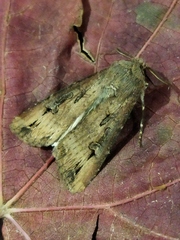 Ipsilon Dart MothAgrotis ipsilonDamages trees, gardens or crops
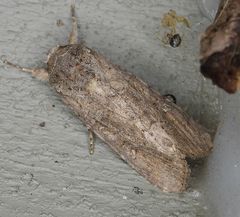 Fall Armyworm MothSpodoptera frugiperdaDamages trees, gardens or crops
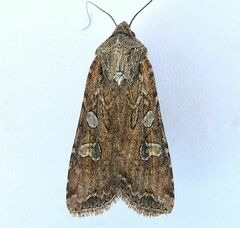 Army Cutworm MothEuxoa auxiliarisDamages trees, gardens or crops
 Large Yellow UnderwingNoctua pronubaDamages trees, gardens or crops
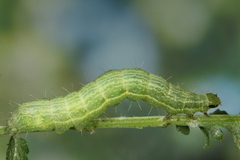 Silver ΥAutographa gamma
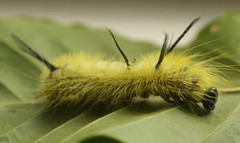 American DaggerAcronicta americanaCan irritate skin
Sources
- Wikipedia: https://en.wikipedia.org/wiki/Mythimna_impura
Look it up elsewhere: GBIF · iNaturalist · BugGuide · Wikipedia
Text written 2026-10-22 from the sources above and checked sentence by sentence against them. Data fetched 2026-10-22.