 Bug FAQ
Small Phigalia Moth
Phigalia strigataria · Order: Lepidoptera · Family: Geometridae
Also called: Small Phigalia
Source: Wikipedia
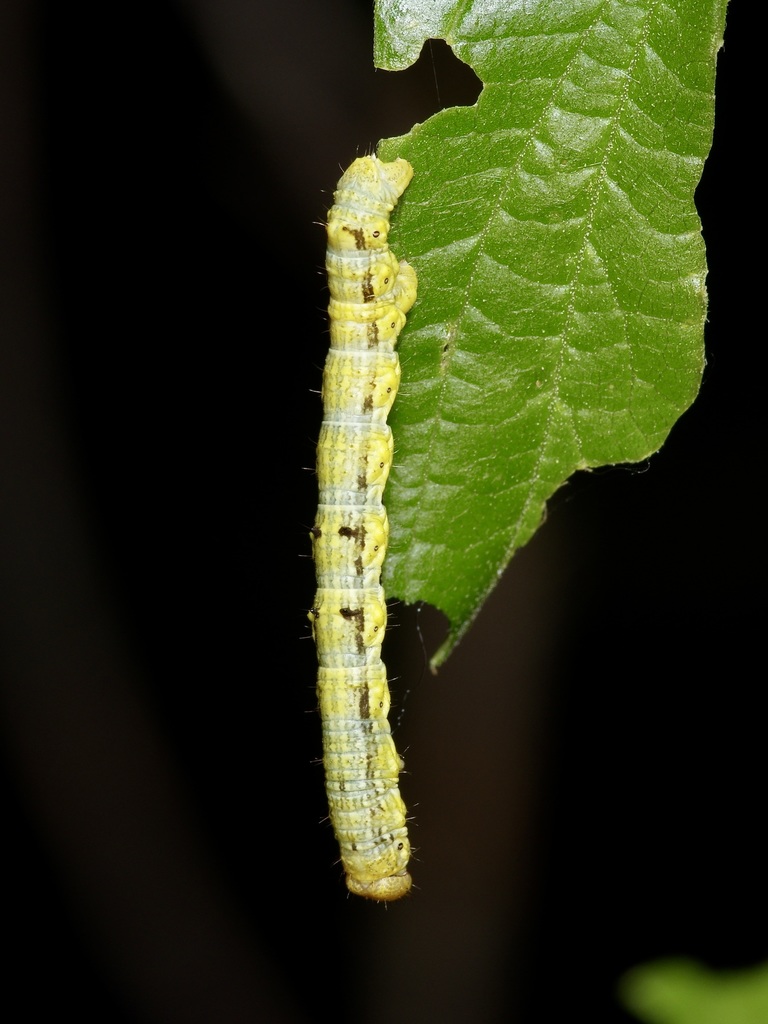
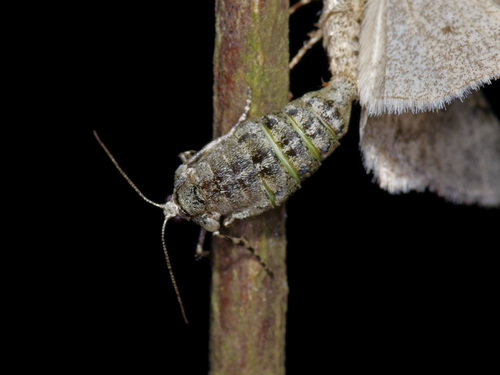
Males have forewings 14 to 18 mm long, while females are wing-reduced and cannot fly. They live in woodlands and forests across much of North America, from the northern plains to the Gulf Coast and eastward. Adults appear from January in the south and from March to May in the north.
Source: Wikipedia
Size
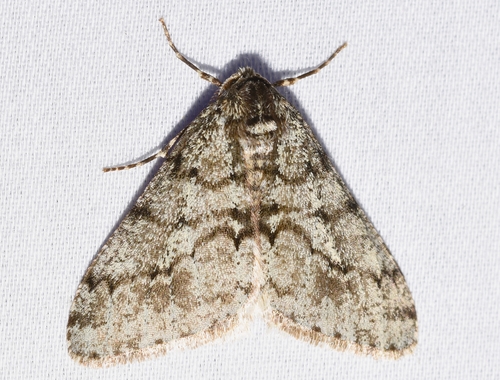
Male forewing length is 14 to 18 mm. Females have very short wings and cannot fly.
Source: Wikipedia
Where it lives
They are found in woodland and forest habitats.
Source: Wikipedia
What it eats
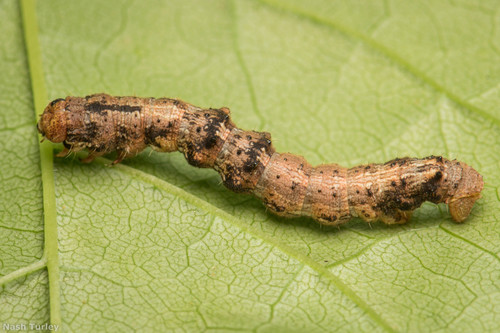
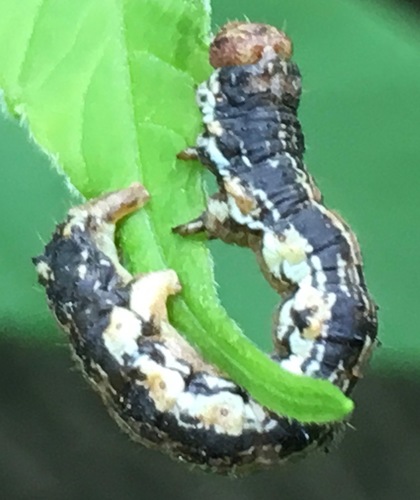
Caterpillars eat the leaves of many trees and shrubs, including oaks, hickories, walnuts, birches, maples, elms, and many others.
Source: Wikipedia
When you see it
In southern areas adults are on the wing from January onward. In northern areas adults fly from March through May.
Source: Wikipedia
Where it comes from
The species occurs in North America, recorded from North Dakota down to Texas and further east.
Source: Wikipedia
Lookalikes
It is also known as Apocheima strigataria, a member of the Geometridae family.
Source: Wikipedia
Where it is found in the US
Recorded in 39 of 51 states and DC. Most records: Texas, Massachusetts, Pennsylvania, Michigan, Connecticut, New York, Maryland, Virginia.
Darker = more records. Counts are museum and citizen-science records, not population size.
Source: GBIF
Status: native in North America; native in Canada; native in United States. Source: iNaturalist
Months it is reported in the US
Source: GBIF
More photos
Questions people ask
Do the caterpillars damage trees or garden plants?
Yes, the larvae feed on the foliage of many hardwoods and can strip leaves from trees and shrubs.
Source: Wikipedia
When can I see adult moths?
Adults appear from January in the southern part of their range and from March to May further north.
Source: Wikipedia
Where does this moth live?
It inhabits woodlands and forests across North America, from the northern plains to the Gulf Coast and eastward.
Source: Wikipedia
Same family (Geometridae)
 Willow BeautyPeribatodes rhomboidaria
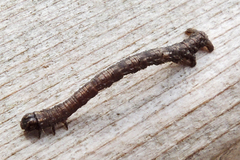 Pale BeautyCampaea perlataDamages trees, gardens or crops
 Large Lace-border MothScopula limboundataDamages trees, gardens or crops
 Riband WaveIdaea aversata
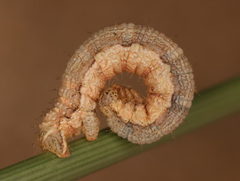 Yellow Shell MothCamptogramma bilineata
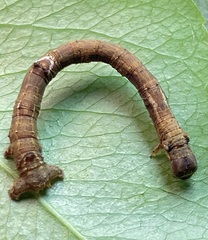 Large Maple Spanworm MothProchoerodes lineolaDamages trees, gardens or crops
Sources
- Wikipedia: https://en.wikipedia.org/wiki/Apocheima_strigataria
Look it up elsewhere: GBIF · iNaturalist · BugGuide · Wikipedia
Text written 2026-10-23 from the sources above and checked sentence by sentence against them. Data fetched 2026-10-23.