 Bug FAQ
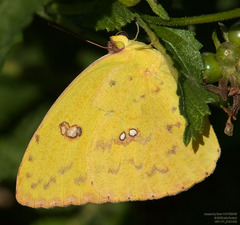
Small Ant-heap White
Dixeia pigea · Order: Lepidoptera · Family: Pieridae
Also called: Ant-heap Small White, Antheap White, ant-heap white
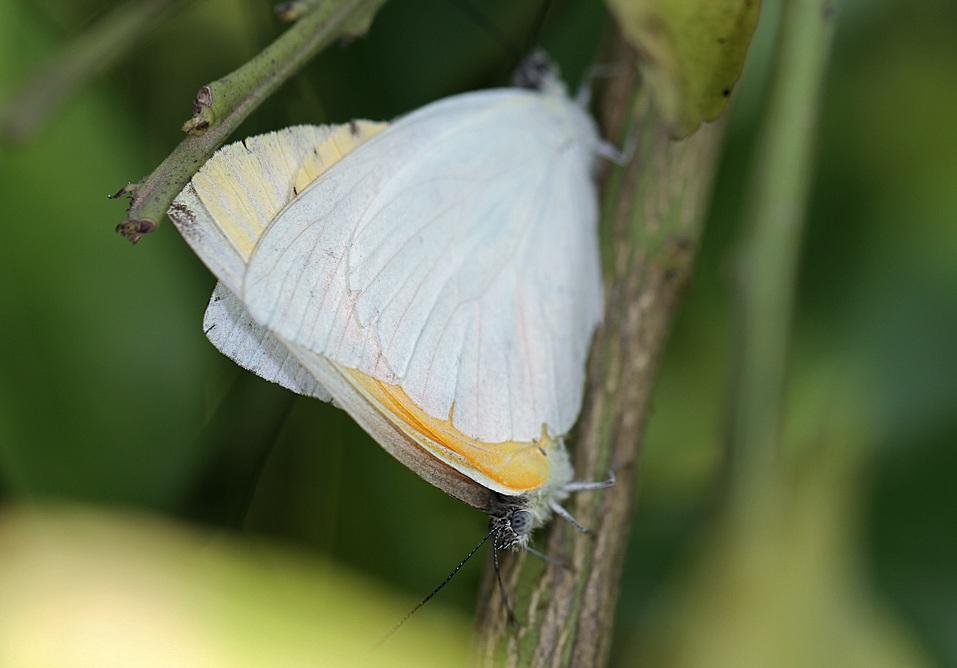
The ant-heap white has a wingspan of about 40 to 52 mm, with males at the lower end of that range. It lives in open areas of riverine forest, thick bush and bush edges, and both sexes feed on sunny flowering bushes.
Source: Wikipedia
Size
Wingspan ranges from 40 to 48 mm in males and 40 to 52 mm in females.
Source: Wikipedia
Where it lives
Found in open parts of riverine forest, thick bush and at the edges of bush areas. Both sexes feed on flowers and are strongly attracted to sunny flowering bushes.
Source: Wikipedia
What it eats
Larvae feed on Capparis sepiaria and Capparis tomentosa. Adults feed on flowers, especially those of sunny flowering bushes.
Source: Wikipedia
Life cycle
Adults fly throughout the year. Their flight is described as medium-fast and random, or rather weak and slow.
Source: Wikipedia
When you see it
The flight period is year-round.
Source: Wikipedia
Where it comes from
It is native to Africa.
Source: Wikipedia
Lookalikes
A yellow streak on the hindwing costal area distinguishes Dixeia pigea from other Dixeia species.
Source: Wikipedia
Questions people ask
What plants do the caterpillars eat?
The caterpillars feed on Capparis sepiaria and Capparis tomentosa.
Source: Wikipedia
Where can I find ant-heap white butterflies?
They live in open areas of riverine forest, thick bush and at bush edges in Africa.
Source: Wikipedia
Same family (Pieridae)


Sources
- Wikipedia: https://en.wikipedia.org/wiki/Dixeia_pigea
Look it up elsewhere: GBIF · iNaturalist · BugGuide · Wikipedia
Text written 2026-10-23 from the sources above and checked sentence by sentence against them. Data fetched 2026-10-23.