 Bug FAQ
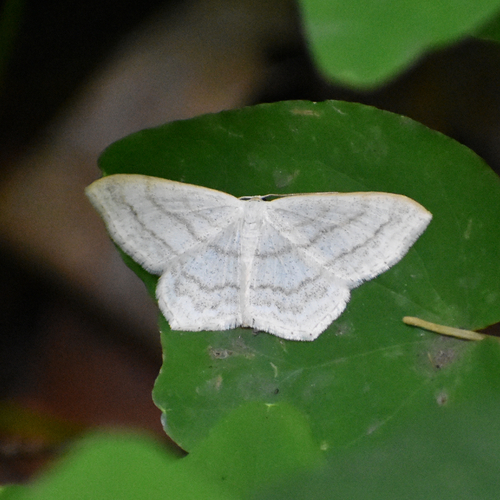
Simple Wave
Scopula junctaria · Order: Lepidoptera · Family: Geometridae
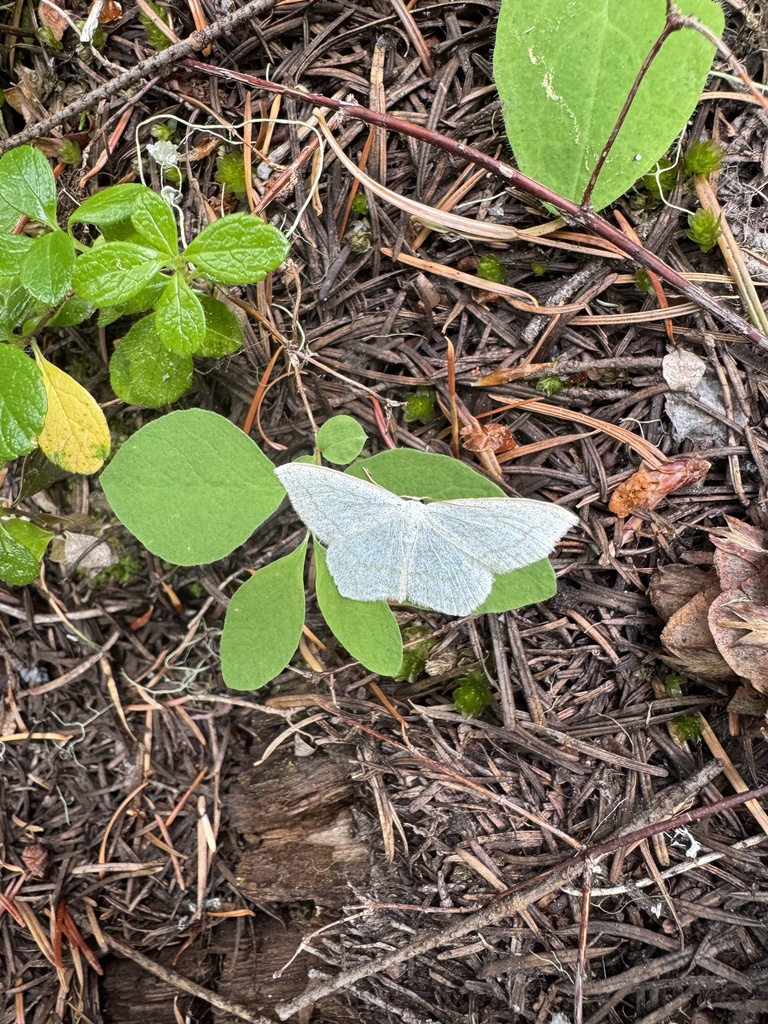
The simple wave moth has a wingspan of about 20 to 26 mm and belongs to the Geometridae family. It lives across Canada and the northern United States, reaching as far south as Maryland, Arizona and California, and its larvae feed on plants such as chickweed, clover and elm.
Source: Wikipedia
How to recognize it
Scopula junctaria, called the simple wave, is a moth in the family Geometridae.
Source: Wikipedia
Size
The adult’s wingspan ranges from 20 to 26 mm (0.79 to 1.02 in).
Source: Wikipedia
Where it lives
It is found throughout Canada and the northern United States, extending south to Maryland, Arizona and California.
Source: Wikipedia
What it eats
The caterpillars feed on a variety of plants, including chickweed, clover and elm.
Source: Wikipedia
Life cycle
There is one generation each year.
Source: Wikipedia
When you see it
Adults are on the wing from late May through August.
Source: Wikipedia
Where it is found in the US
Recorded in 29 of 51 states and DC. Most records: Oregon, California, Montana, Washington, Colorado, Idaho, Minnesota, Wyoming.
Darker = more records. Counts are museum and citizen-science records, not population size.
Source: GBIF
Status: native in North America; native in Canada; native in United States. Source: iNaturalist
Months it is reported in the US
Source: GBIF
More photos
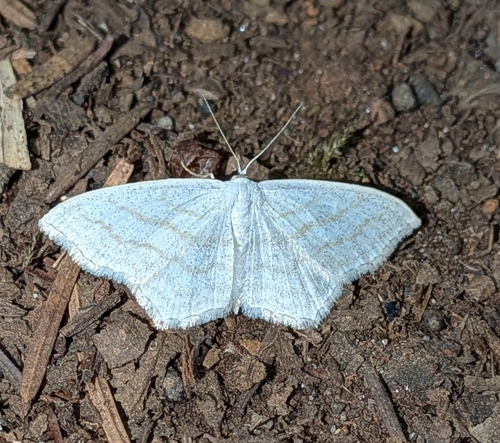
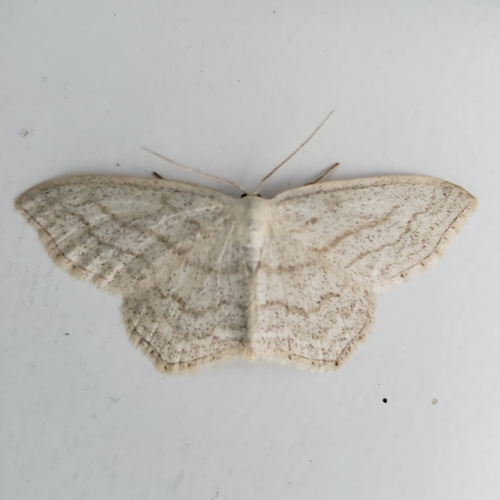
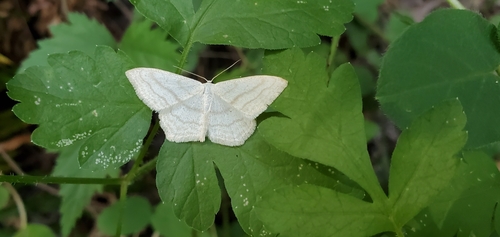
Questions people ask
What do the larvae of the simple wave eat?
The caterpillars feed on plants such as chickweed, clover and elm.
Source: Wikipedia
How many generations does the simple wave have each year?
It produces one generation per year.
Source: Wikipedia
Same family (Geometridae)




Sources
- Wikipedia: https://en.wikipedia.org/wiki/Scopula_junctaria
Look it up elsewhere: GBIF · iNaturalist · BugGuide · ITIS · Wikipedia
Text written 2026-10-25 from the sources above and checked sentence by sentence against them. Data fetched 2026-10-25.