 Bug FAQ
Redbud Leaffolder Moth
Fascista cercerisella · Order: Lepidoptera · Family: Gelechiidae
Also called: Redbud Leaffolder, Redbud leaf-folder
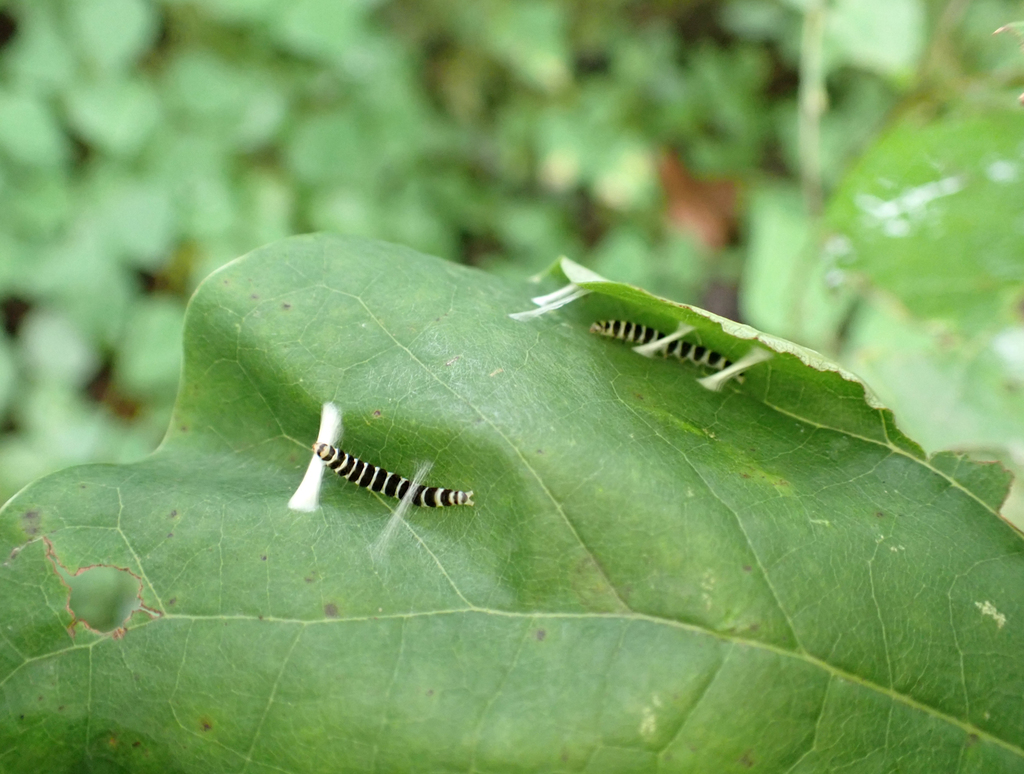
The redbud leaffolder moth belongs to the Gelechiidae family and has a wingspan of about 13 to 16 mm. Adults appear from April through October in the southern part of its range, with one generation per year in the north and possibly two in the south.
Source: Wikipedia
How to recognize it
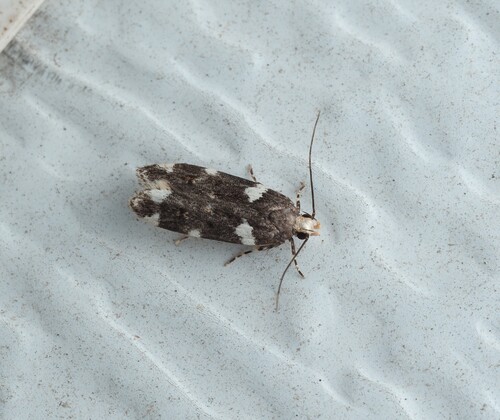
Redbud leaffolder moths are members of the Gelechiidae family.
Source: Wikipedia
Size
Their wingspan measures between 13 and 16 mm.
Source: Wikipedia
What it eats
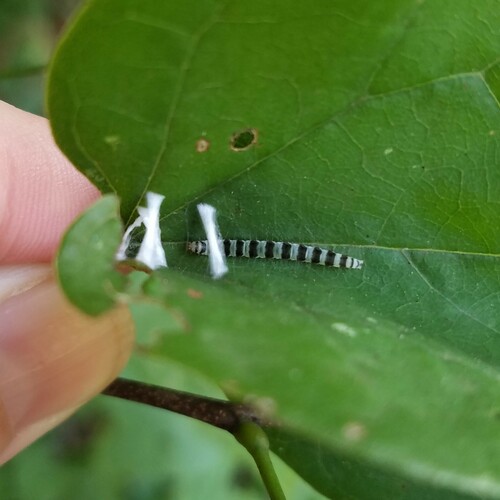
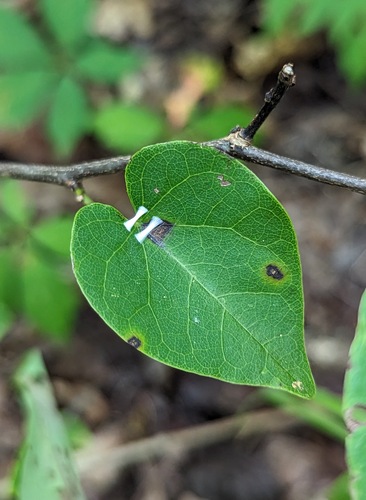
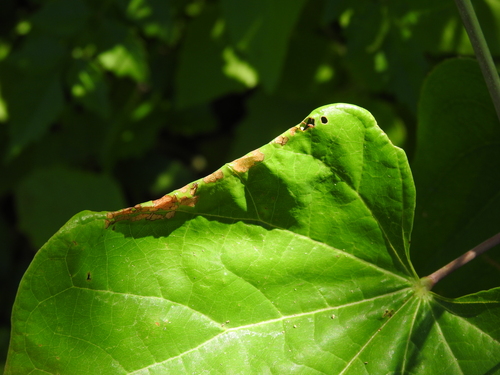
The caterpillars feed on the leaves of the eastern redbud tree (Cercis canadensis).
Source: Wikipedia
Life cycle
There is one generation each year in the northern part of the range and possibly two generations in the south.
Source: Wikipedia
When you see it
Adults are on the wing from April through October in the southern portion of their range.
Source: Wikipedia
Where it comes from
Their range includes many U.S. states from the Mid-Atlantic to the Gulf and the Midwest.
Source: Wikipedia
Where it is found in the US
Recorded in 29 of 51 states and DC. Most records: Texas, Virginia, Alabama, North Carolina, Tennessee, Oklahoma, Ohio, Missouri.
Darker = more records. Counts are museum and citizen-science records, not population size.
Source: GBIF
Status: native in North America; native in Canada; native in United States. Source: iNaturalist
Months it is reported in the US
Source: GBIF
More photos
Questions people ask
What do the larvae of the redbud leaffolder moth eat?
The larvae feed on the leaves of redbud trees (Cercis canadensis).
Source: Wikipedia
When can I see adult redbud leaffolder moths?
Adults are active from April to October in the southern part of their range.
Source: Wikipedia
Same family (Gelechiidae)
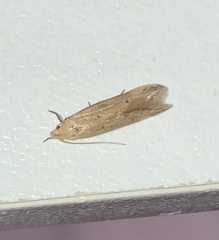 Angoumois Grain MothSitotroga cerealellaDamages trees, gardens or crops
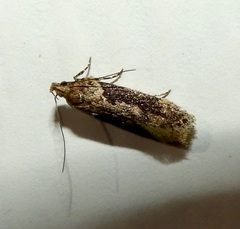 Black-smudged Chionodes MothChionodes mediofuscella
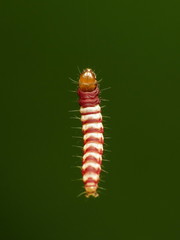 White Stripe-backed MothArogalea cristifasciella
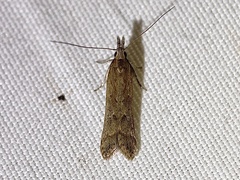 Palmerworm Moth and AlliesDichomeris ligulella
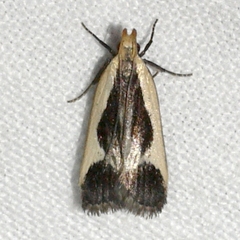 Cream-edged Dichomeris Moth and AlliesDichomeris flavocostella
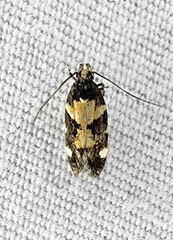 Red-necked Peanutworm MothStegasta bosqueellaDamages trees, gardens or crops
Sources
- Wikipedia: https://en.wikipedia.org/wiki/Fascista_cercerisella
Look it up elsewhere: GBIF · iNaturalist · BugGuide · Wikipedia
Text written 2026-10-23 from the sources above and checked sentence by sentence against them. Data fetched 2026-10-23.