 Bug FAQ
Purplish Birch-miner Moth
Eriocrania semipurpurella · Order: Lepidoptera · Family: Eriocraniidae
Also called: Early Purple
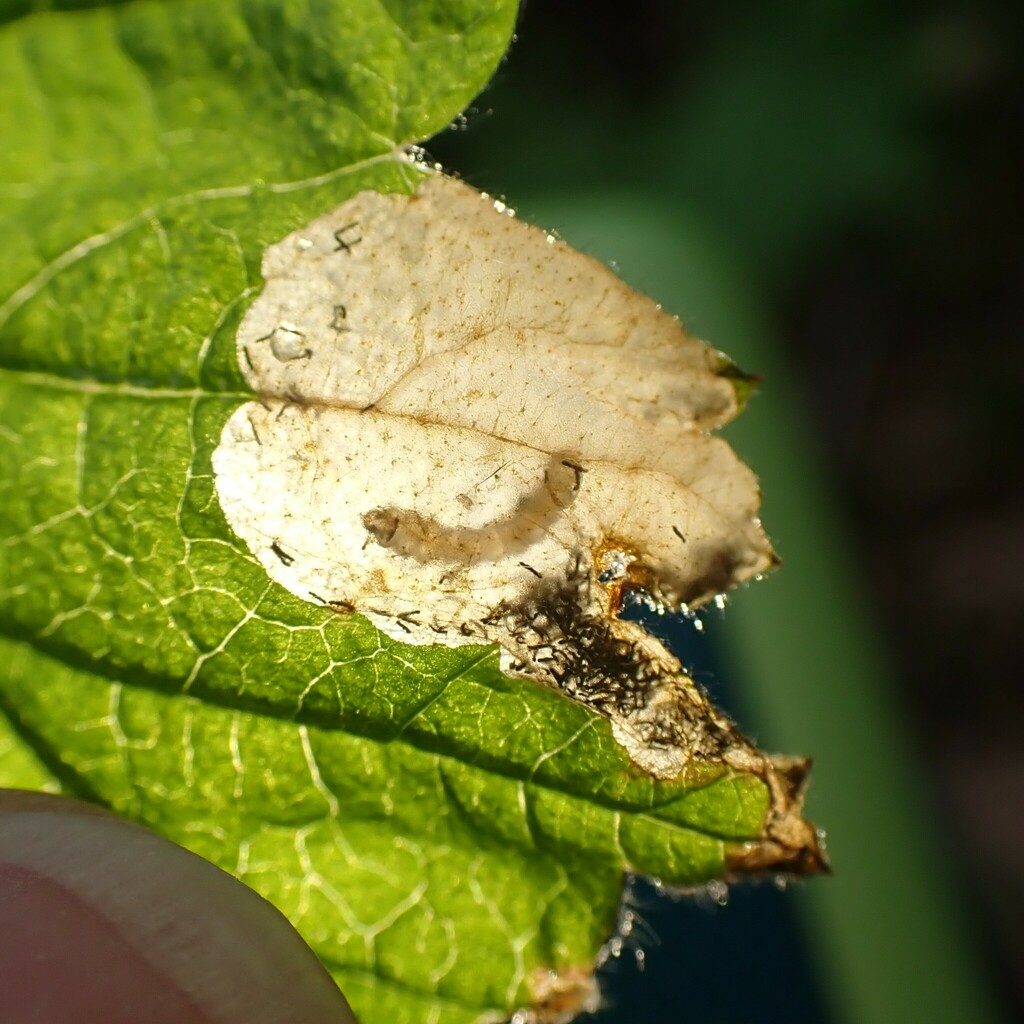
The purplish birch-miner moth has a wingspan of about 10 to 16 mm and bronzy-purple forewings speckled with golden shine. It flies in sunny weather around birch trees in March-April, lays eggs on leaf buds, and its larvae mine birch leaves before pupating in a soil cocoon.
Source: Wikipedia
How to recognize it
Forewings are elongated, bronzy-purple and sprinkled with pale, shining golden spots. Hindwings have hair-like scales, are bronzy-grey and show a purplish tint toward the rear.
Source: Wikipedia
Size
Wingspan ranges from 10 to 16 mm.
Source: Wikipedia
Where it lives
Adults fly in sunshine around birch trees, sometimes forming swarms in March and April. In dull weather they rest on twigs.
Source: Wikipedia
What it eats
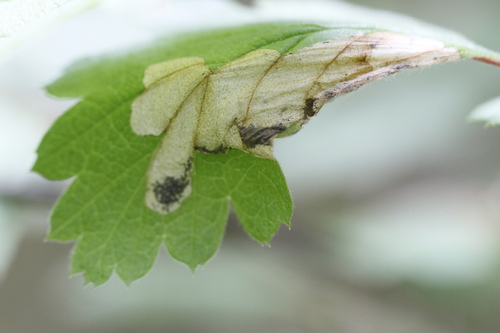
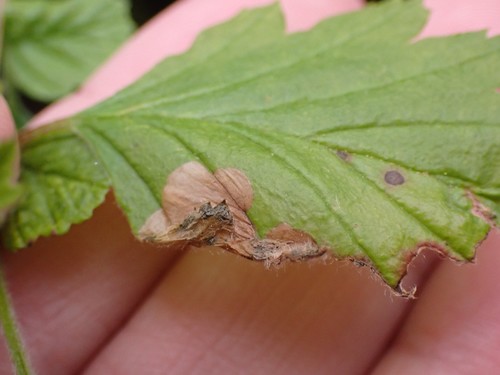
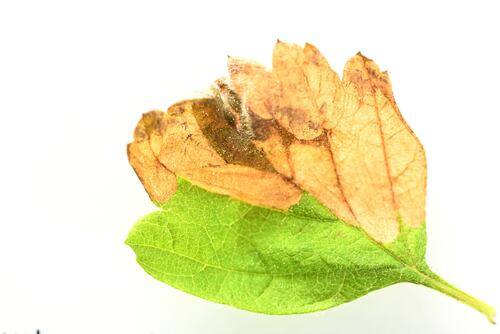
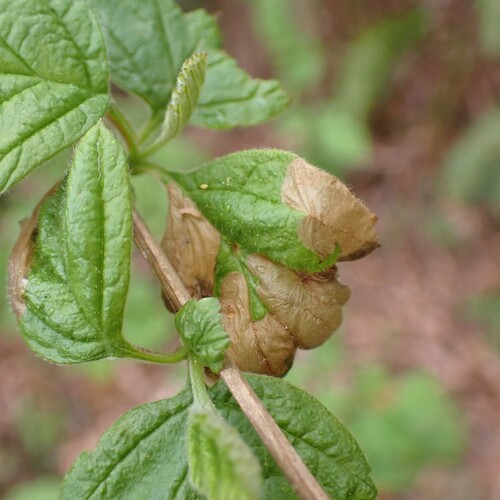
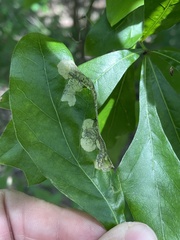
Larvae mine the leaves of birch trees from late March to early May. The larva is whitish with a pale ochreous-brown head and a darker mouth area.
Source: Wikipedia
Life cycle
Eggs are laid on birch leaf buds; larvae feed inside leaf mines from late March to early May. Pupation occurs in a tough silken cocoon hidden in the soil.
Source: Wikipedia
When you see it
Adults are on the wing from March to April, depending on location.
Source: Wikipedia
Where it comes from
It occurs from Europe across to Japan and is also present in North America.
Source: Wikipedia
Lookalikes
It resembles E. sangii and can be separated only by microscopic examination of the genitalia.
Source: Wikipedia
Where it is found in the US
Recorded in 12 of 51 states and DC. Most records: Washington, California, Oregon, Connecticut, Alaska, Massachusetts, Pennsylvania, Maine.
Darker = more records. Counts are museum and citizen-science records, not population size.
Source: GBIF
Status: native in North America; native in Canada. Source: iNaturalist
Months it is reported in the US
Source: GBIF
More photos
Questions people ask
When are these moths active?
Adults fly in March and April, usually in sunny weather around birch trees.
Source: Wikipedia
What do the larvae look like?
The larvae are whitish with a pale ochreous-brown head and a darker mouth area, and they live inside mined birch leaves.
Source: Wikipedia
Where is this species found?
It is native from Europe to Japan and also occurs in North America.
Source: Wikipedia
Same family (Eriocraniidae)

Sources
- Wikipedia: https://en.wikipedia.org/wiki/Eriocrania_semipurpurella
Look it up elsewhere: GBIF · iNaturalist · BugGuide · Wikipedia
Text written 2026-10-29 from the sources above and checked sentence by sentence against them. Data fetched 2026-10-29.