 Bug FAQ
Pineapple Beetle
Urophorus humeralis · Order: Coleoptera · Family: Nitidulidae
Also called: Sap beetle, pineapple sap beetle, yellow shouldered souring beetle
Source: Wikipedia
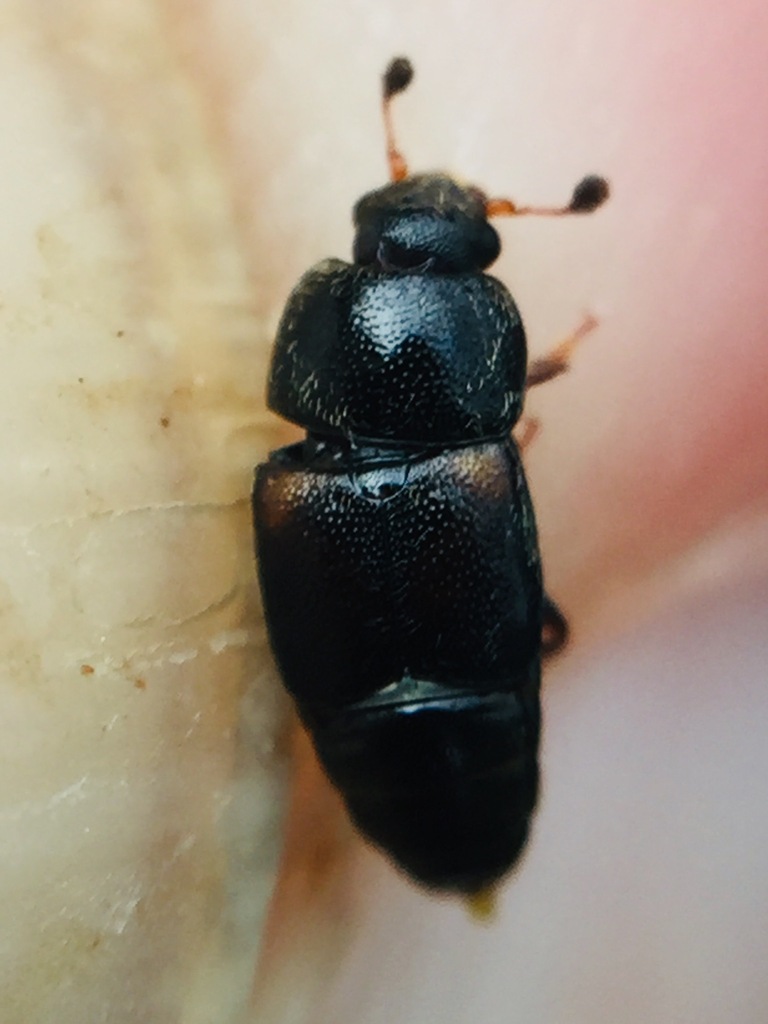
The pineapple beetle (Urophorus humeralis) is also called the yellow-shouldered souring beetle. It feeds on plant sap and is especially attracted to sugarcane that is already diseased. In Hawaii it carries the sugarcane pathogen Ceratocystis paradoxa, making it a pest of that crop.
Source: Wikipedia
How to recognize it
Common names include pineapple beetle and yellow-shouldered souring beetle.
Source: Wikipedia
What it eats
The beetle feeds on plant sap. Adults are drawn to sugarcane that is diseased, and larvae grow best on the fungus Ceratocystis paradoxa.
Source: Wikipedia
Life cycle
It acts as a vector for the sugarcane pathogen Ceratocystis paradoxa in Hawaii.
Source: Wikipedia
Where it is found in the US
Recorded in 14 of 51 states and DC. Most records: Texas, California, Florida, Hawaii, Pennsylvania, South Dakota, Indiana, Michigan.
Darker = more records. Counts are museum and citizen-science records, not population size.
Source: GBIF
Months it is reported in the US
Source: GBIF
More photos
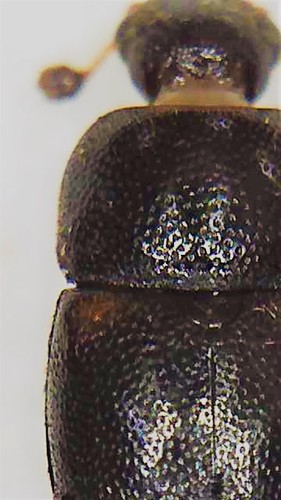

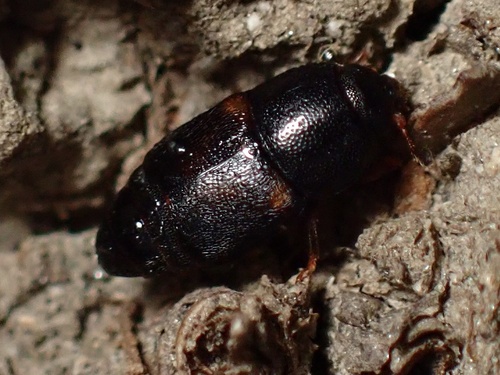
Questions people ask
What crops does the pineapple beetle affect?
It spreads the sugarcane disease Ceratocystis paradoxa, so it is a pest of sugarcane.
Source: Wikipedia
Why are pineapple beetles attracted to sugarcane?
They prefer sugarcane that is already diseased over healthy plants.
Source: Wikipedia
Same family (Nitidulidae)
 Common Pollen BeetleBrassicogethes aeneusDamages trees, gardens or crops
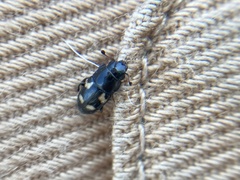 Four-spotted Sap BeetleGlischrochilus quadrisignatusDamages trees, gardens or crops
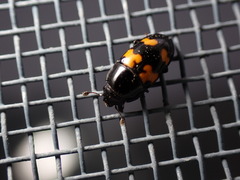 Picnic BeetleGlischrochilus fasciatus
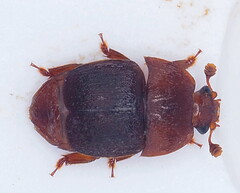 Small Hive BeetleAethina tumidaCan damage your home
 Dried Fruit BeetleCarpophilus hemipterus
 Dusky Sap BeetleCarpophilus lugubrisDamages trees, gardens or crops
Sources
- Wikipedia: https://en.wikipedia.org/wiki/Urophorus_humeralis
Look it up elsewhere: GBIF · iNaturalist · BugGuide · ITIS · Wikipedia
Text written 2026-10-27 from the sources above and checked sentence by sentence against them. Data fetched 2026-10-27.