 Bug FAQ
Physetica phricias
Physetica phricias · Order: Lepidoptera · Family: Noctuidae
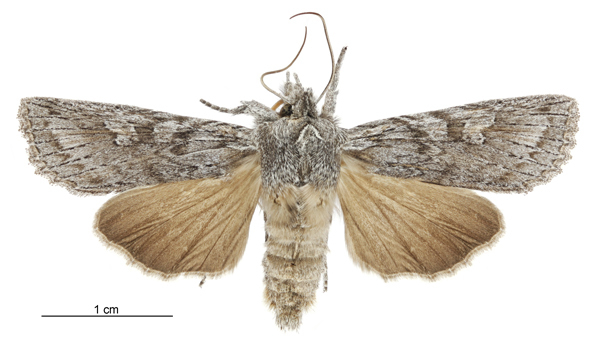
Physetica phricias is a moth whose fore-wings are a pale silvery-grey and lack heavy marbling. Adults fly from September through May and occasionally in July, and they can stay active even in windy weather. The species is endemic to New Zealand and prefers scrub or shrubland habitats.
Source: Wikipedia
How to recognize it
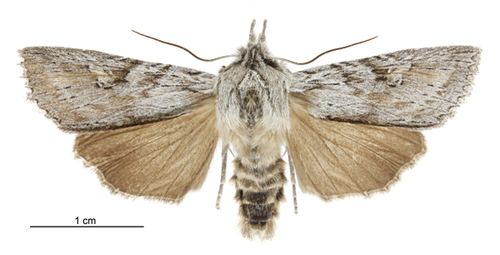
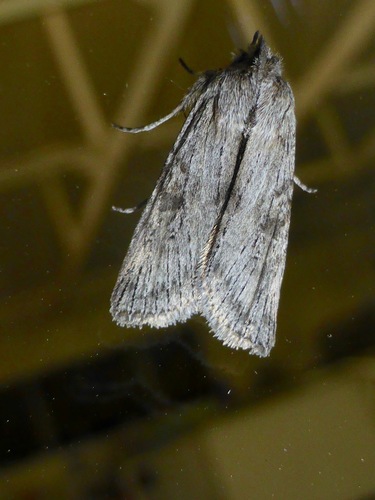
The fore-wings are pale silvery-grey and have a less marbled appearance than similar species.
Source: Wikipedia
Size
The wings span about 1½ inches (≈38 mm). Larvae can grow up to 33 mm long.
Source: Wikipedia
Where it lives
It lives in scrubland and shrubland environments.
Source: Wikipedia
What it eats
Caterpillars feed on the plant Discaria toumatou. Adult moths are attracted to sugar sources and light.
Source: Wikipedia
Life cycle
They are fast flyers and remain active even in windy conditions.
Source: Wikipedia
When you see it
Specimens have been collected from September through May, with some records in July.
Source: Wikipedia
Where it comes from
Physetica phricias is endemic to New Zealand.
Source: Wikipedia
More photos
Questions people ask
What does Physetica phricias look like?
Its fore-wings are pale silvery-grey and have a smoother, less marbled pattern than related moths.
Source: Wikipedia
How big are the adults and larvae?
Adults have a wingspan of about 1½ inches, while larvae can reach up to 33 mm in length.
Source: Wikipedia
When are adult Physetica phricias active?
Adults fly from September through May and occasionally in July, staying active even in windy weather.
Source: Wikipedia
Where is this moth found?
It is endemic to New Zealand and prefers scrubland or shrubland habitats.
Source: Wikipedia
Same family (Noctuidae)
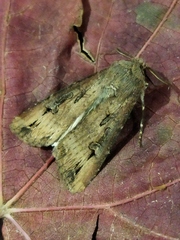 Ipsilon Dart MothAgrotis ipsilonDamages trees, gardens or crops
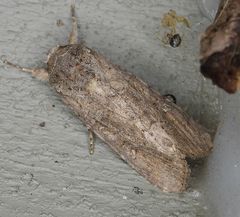 Fall Armyworm MothSpodoptera frugiperdaDamages trees, gardens or crops
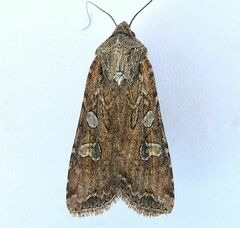 Army Cutworm MothEuxoa auxiliarisDamages trees, gardens or crops
 Large Yellow UnderwingNoctua pronubaDamages trees, gardens or crops
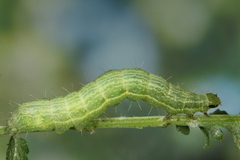 Silver ΥAutographa gamma
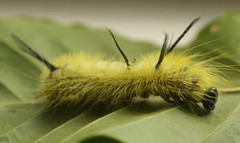 American DaggerAcronicta americanaCan irritate skin
Sources
- Wikipedia: https://en.wikipedia.org/wiki/Physetica_phricias
Look it up elsewhere: GBIF · iNaturalist · BugGuide · Wikipedia
Text written 2026-10-23 from the sources above and checked sentence by sentence against them. Data fetched 2026-10-23.