 Bug FAQ
Pacific Field Ant
Formica pacifica · Order: Hymenoptera · Family: Formicidae
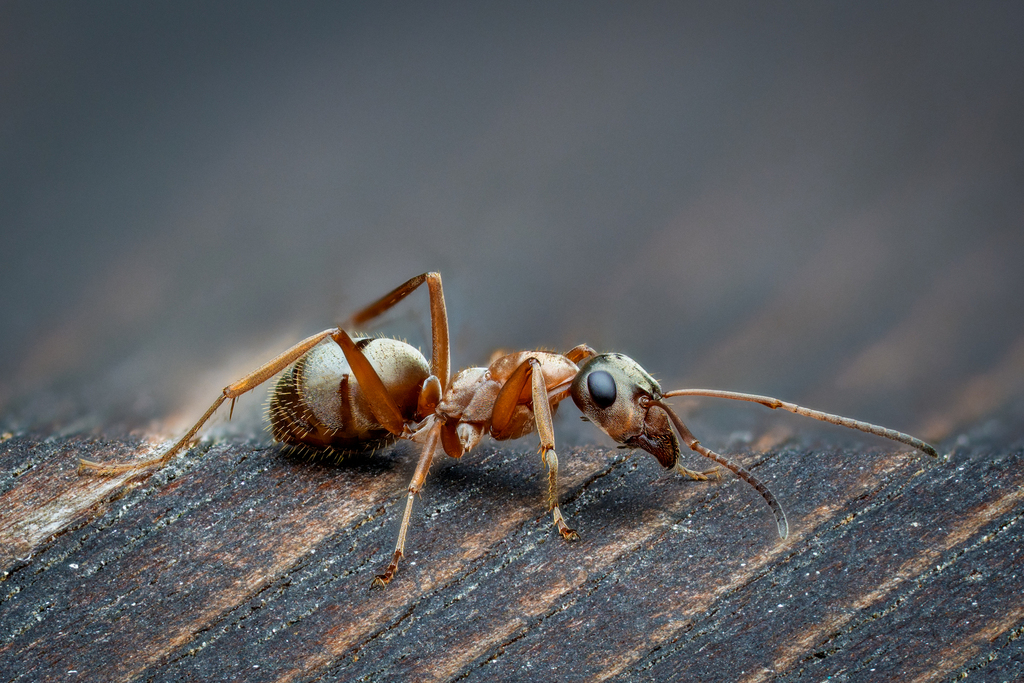
Formica pacifica workers move quickly and can be aggressive. They build nests in soil under rocks or other solid objects in forests and human settlements. Mature colonies send winged queens on nuptial flights from mid-June to late August, and queens may wait until after hibernation to start laying eggs.
Source: Wikipedia
How to recognize it
This ant belongs to the Formica fusca species group.
Source: Wikipedia
Where it lives
It lives in both forests and human settlements. Nests are usually built in soil beneath rocks or other firm objects.
Source: Wikipedia
Life cycle
Mature colonies have nuptial flights from mid-June to late August. Fertile queens may not begin laying eggs until after their first hibernation.
Source: Wikipedia
When you see it
Nuptial flights occur from mid-June through late August.
Source: Wikipedia
Where it is found in the US
Recorded in 4 of 51 states and DC. Most records: Washington, Oregon, California, Nevada.
Darker = more records. Counts are museum and citizen-science records, not population size.
Source: GBIF
Status: native in North America; native in United States; native in Canada. Source: iNaturalist
Months it is reported in the US
Source: GBIF
Questions people ask
When do Pacific Field Ant colonies have nuptial flights?
Mature colonies take nuptial flights between mid-June and late August.
Source: Wikipedia
Where does Formica pacifica build its nests?
They prefer to nest in soil under rocks or other solid objects.
Source: Wikipedia
Same family (Formicidae)
 Eastern Black Carpenter AntCamponotus pennsylvanicusCan bite
 Red Imported Fire AntSolenopsis invictaCan sting
 American Winter AntPrenolepis imparis
 Argentine AntLinepithema humileNuisance, not dangerous
 Immigrant Pavement AntTetramorium immigransCan sting
 Odorous House AntTapinoma sessileCan damage your home
Sources
- Wikipedia: https://en.wikipedia.org/wiki/Formica_pacifica
Look it up elsewhere: GBIF · iNaturalist · BugGuide · ITIS · Wikipedia
Text written 2026-10-27 from the sources above and checked sentence by sentence against them. Data fetched 2026-10-27.