 Bug FAQ
Ogdoconta tacna
Ogdoconta tacna · Order: Lepidoptera · Family: Noctuidae
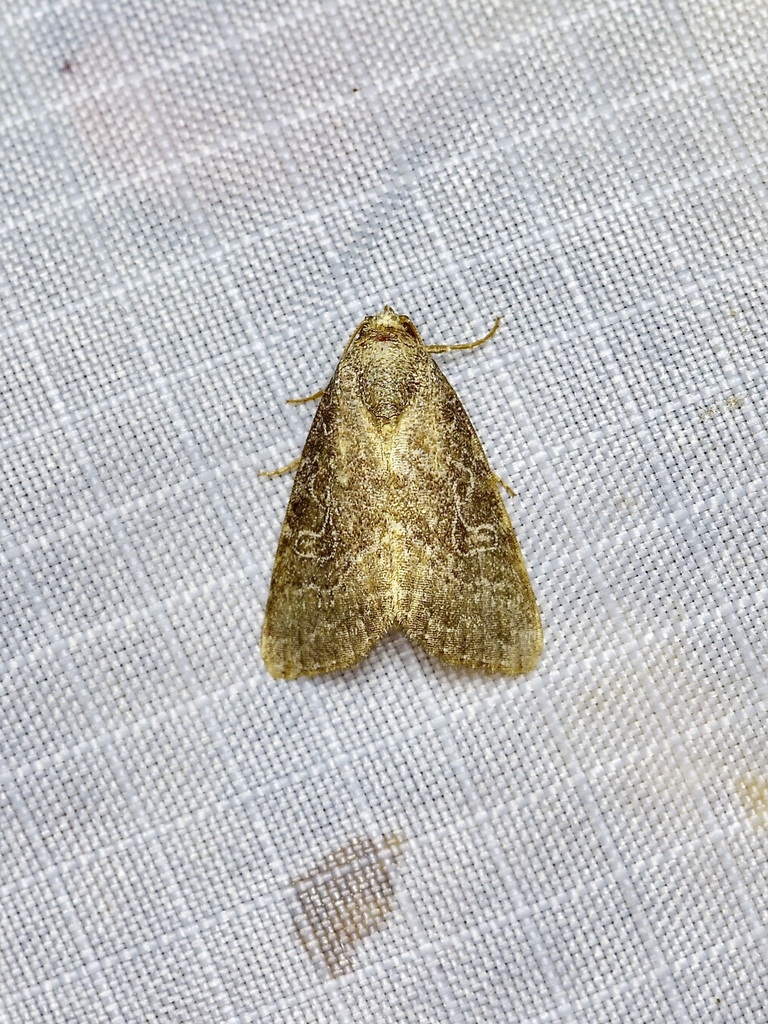
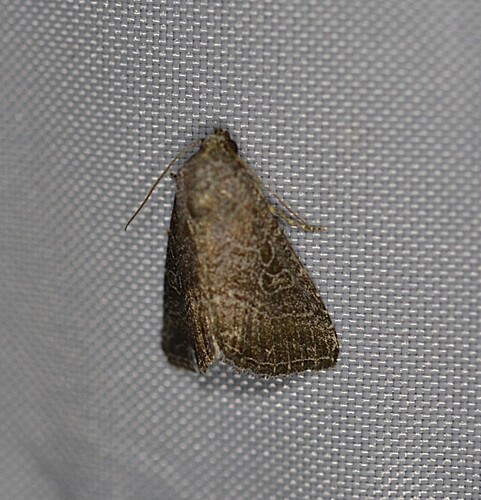
The forewings are gray-brown with a faint greenish tint, marked by fine white lines and scattered white scales; the orbicular and reniform spots are outlined in dirty-white lines. Forewing length ranges from 11 to 13.5 mm. Adults fly in spring (April-May) and again in fall (September-October) in central and southeastern Texas, and probably also in Mexico.
Source: Wikipedia
How to recognize it
The wings show a gray-brown base with a slight greenish hue, fine white lines, and a light dusting of white scales.
Source: Wikipedia
Size
Forewing length is between 11 and 13.5 mm.
Source: Wikipedia
Where it lives
It occurs in central and southeastern Texas in the United States. It is probably also present in Mexico.
Source: Wikipedia
When you see it
Flight periods are spring (April-May) and fall (September-October).
Source: Wikipedia
Where it comes from
The species is native to central and southeastern Texas, USA. It is likely also found in Mexico.
Source: Wikipedia
Lookalikes
Ogdoconta tacna is a noctuid moth first described by William Barnes in 1904.
Source: Wikipedia
Where it is found in the US
Recorded in 1 of 51 states and DC. Most records: Texas.
Darker = more records. Counts are museum and citizen-science records, not population size.
Source: GBIF
Months it is reported in the US
Source: GBIF
More photos
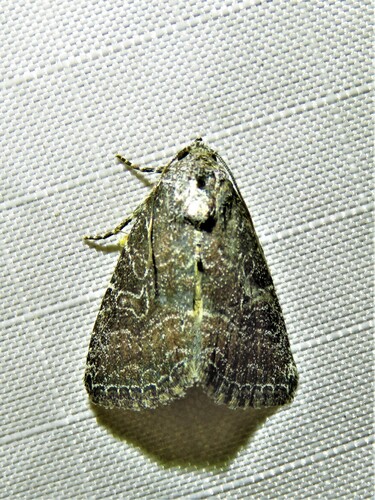
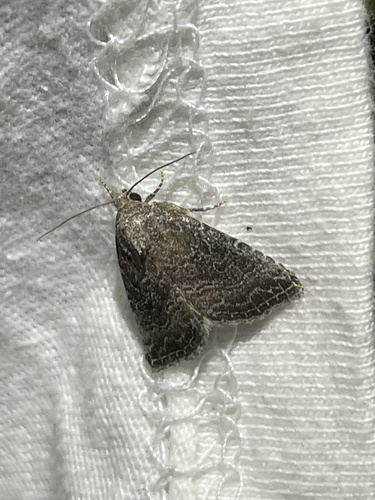
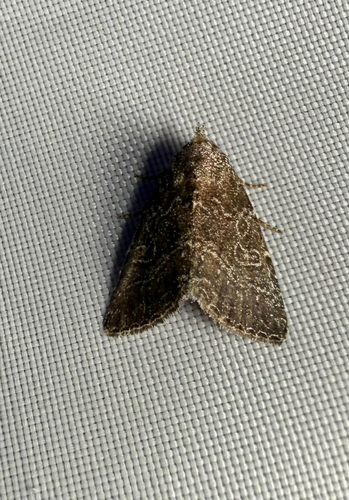
Questions people ask
When are Ogdoconta tacna moths active?
Adults are on the wing in April and May, then again in September and October.
Source: Wikipedia
Where can I find Ogdoconta tacna?
They are found in central and southeastern Texas and are probably also present in Mexico.
Source: Wikipedia
Same family (Noctuidae)
 Ipsilon Dart MothAgrotis ipsilonDamages trees, gardens or crops
 Fall Armyworm MothSpodoptera frugiperdaDamages trees, gardens or crops
 Army Cutworm MothEuxoa auxiliarisDamages trees, gardens or crops
 Large Yellow UnderwingNoctua pronubaDamages trees, gardens or crops
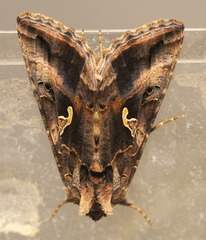 Silver ΥAutographa gamma
 American DaggerAcronicta americanaCan irritate skin
Sources
- Wikipedia: https://en.wikipedia.org/wiki/Ogdoconta_tacna
Look it up elsewhere: GBIF · iNaturalist · BugGuide · ITIS · Wikipedia
Text written 2026-10-28 from the sources above and checked sentence by sentence against them. Data fetched 2026-10-28.