 Bug FAQ
Oblique-Waved Fern Looper
Ischalis variabilis · Order: Lepidoptera · Family: Geometridae
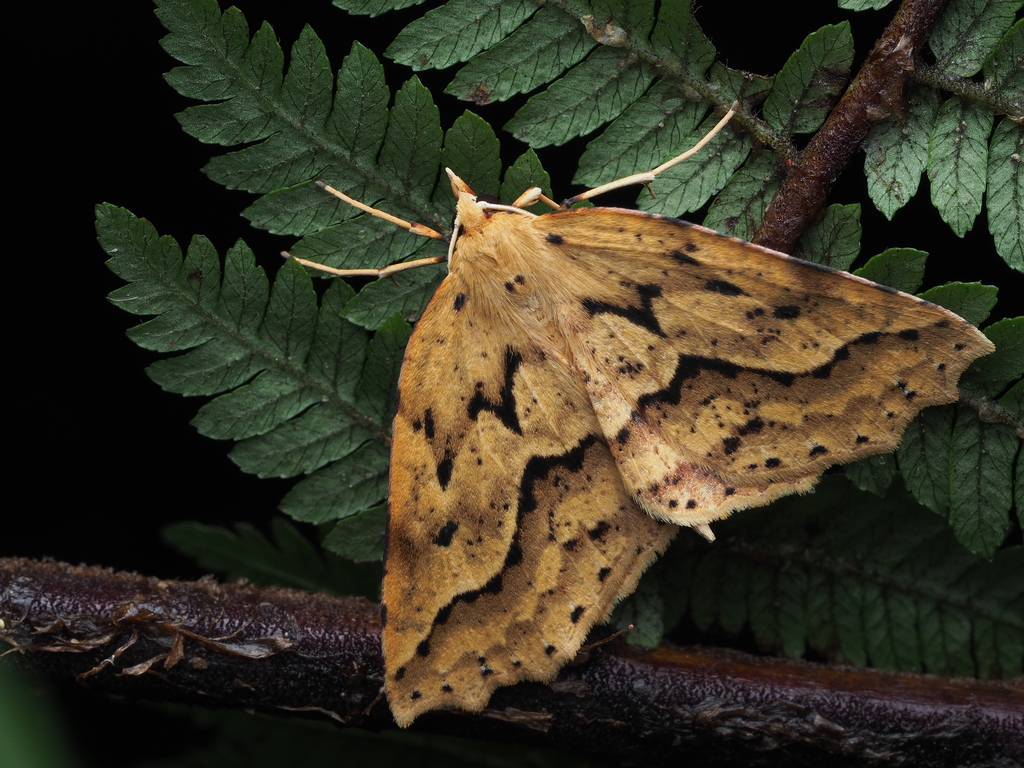
Full-grown larvae reach about 32 mm in length. Adults have two to three clear transverse lines on each forewing. The species is endemic to New Zealand and is common on both the North and South islands.
Source: Wikipedia
How to recognize it
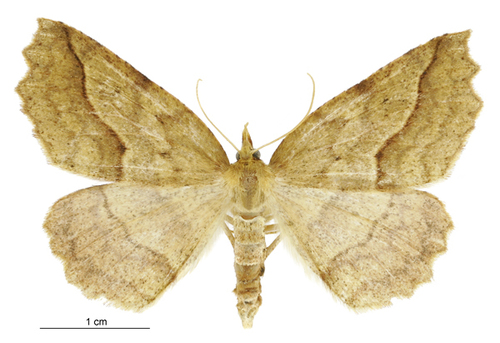
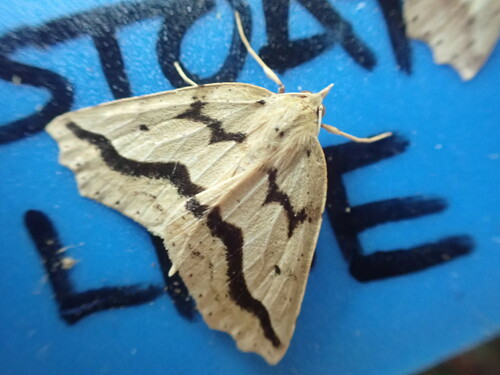
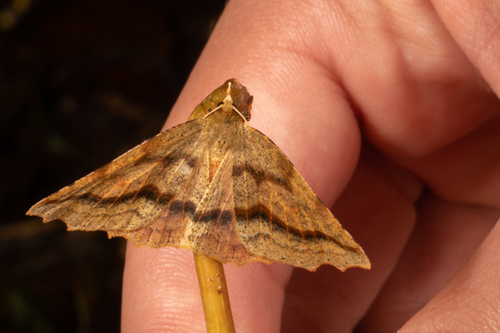
The forewings show two to three distinct transverse lines.
Source: Wikipedia
How to get rid of it
Adults can be collected by beating the skirts of dead fronds of their host ferns.
Source: Wikipedia
Where it lives
It is endemic to New Zealand and widespread across both main islands.
Source: Wikipedia
What it eats
Larvae feed at night on tree ferns such as Cyathea smithii, Cyathea dealbata and Dicksonia squarrosa.
Source: Wikipedia
Life cycle
There are usually two generations each year, but they may breed continuously in mild winters. Eggs are typically laid in January and February.
Source: Wikipedia
When you see it
Adults are recorded throughout the year except for June on the North Island. The main flight period runs from September to March.
Source: Wikipedia
Where it comes from
It is native to New Zealand, occurring throughout the North and South islands.
Source: Wikipedia
More photos

Questions people ask
What do the larvae eat?
They feed at night on tree ferns such as Cyathea smithii, Cyathea dealbata and Dicksonia squarrosa.
Source: Wikipedia
How can I collect these moths for study?
You can collect adults by beating the skirts of dead fronds of their host ferns.
Source: Wikipedia
How many generations does this species have each year?
Typically two generations per year, though they may breed continuously in mild winters.
Source: Wikipedia
Same family (Geometridae)
 Willow BeautyPeribatodes rhomboidaria
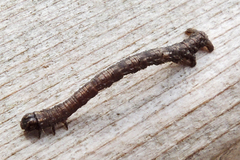 Pale BeautyCampaea perlataDamages trees, gardens or crops
 Large Lace-border MothScopula limboundataDamages trees, gardens or crops
 Riband WaveIdaea aversata
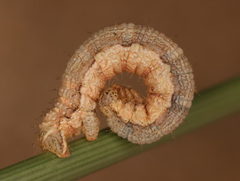 Yellow Shell MothCamptogramma bilineata
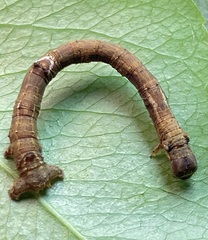 Large Maple Spanworm MothProchoerodes lineolaDamages trees, gardens or crops
Sources
- Wikipedia: https://en.wikipedia.org/wiki/Ischalis_variabilis
Look it up elsewhere: GBIF · iNaturalist · BugGuide · Wikipedia
Text written 2026-10-23 from the sources above and checked sentence by sentence against them. Data fetched 2026-10-23.