 Bug FAQ
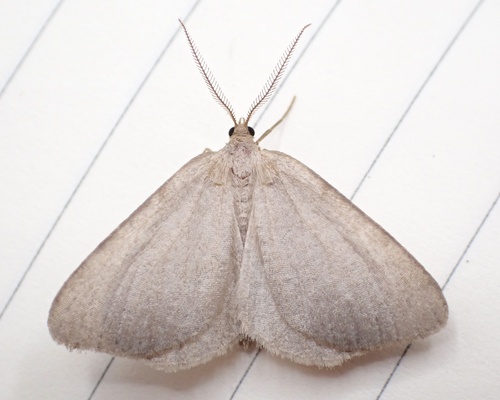
Mousy Angle
Macaria argillacearia · Order: Lepidoptera · Family: Geometridae
Also called: Mousy Angle Moth, Mousy Itame
Source: Wikipedia
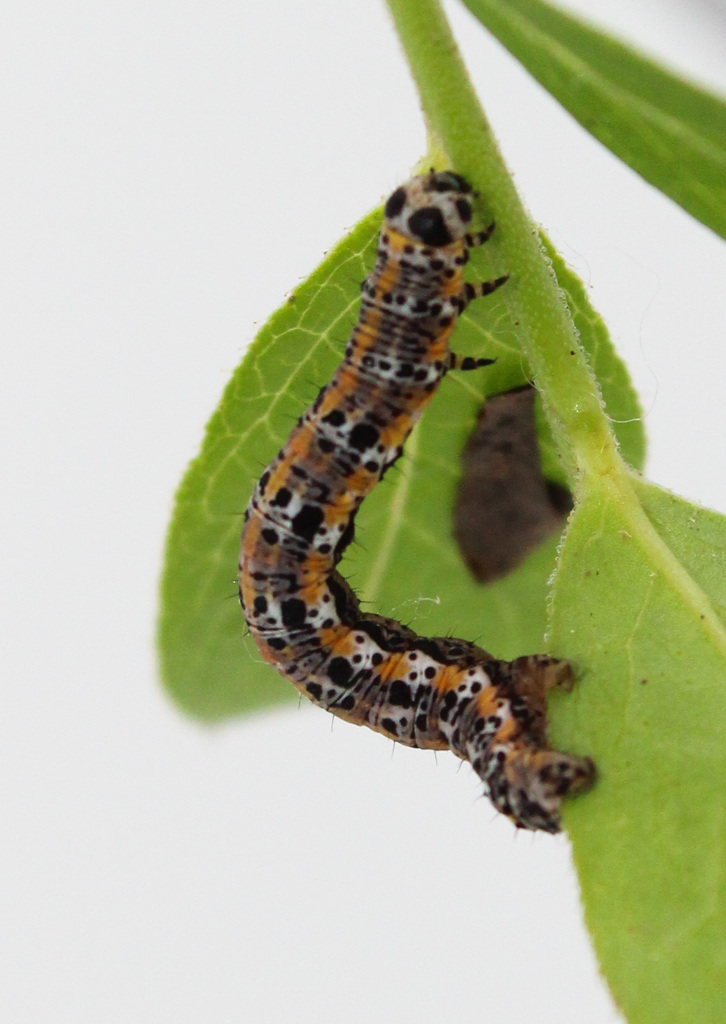
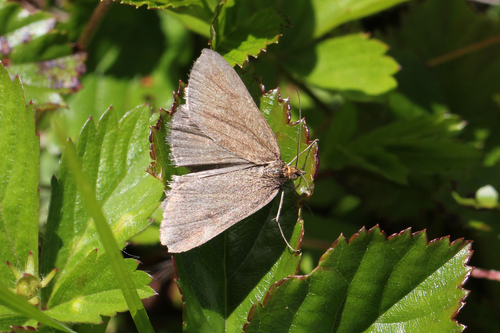
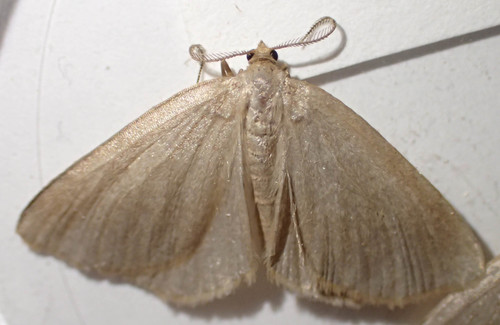
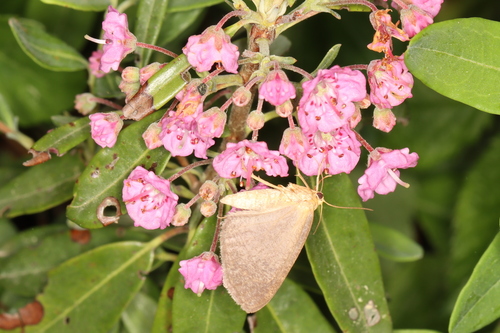
Macaria argillacearia is also called the blueberry spanworm. It lives in North America and its caterpillars feed on blueberry (Vaccinium) plants.
Source: Wikipedia
How to recognize it
A common name for this moth is the blueberry spanworm.
Source: Wikipedia
Where it lives
It is found in North America.
Source: Wikipedia
What it eats
The larvae feed on blueberry (Vaccinium) plants.
Source: Wikipedia
Where it comes from
Its native range is North America.
Source: Wikipedia
Where it is found in the US
Recorded in 13 of 51 states and DC. Most records: Massachusetts, Maine, Michigan, New Jersey, New Hampshire, Pennsylvania, West Virginia, Wisconsin.
Darker = more records. Counts are museum and citizen-science records, not population size.
Source: GBIF
Status: native in North America; native in Canada. Source: iNaturalist
Months it is reported in the US
Source: GBIF
More photos
Questions people ask
What plants does the blueberry spanworm eat?
Its caterpillars feed on blueberry (Vaccinium) plants.
Source: Wikipedia
Same family (Geometridae)




Sources
- Wikipedia: https://en.wikipedia.org/wiki/Speranza_argillacearia
Look it up elsewhere: GBIF · iNaturalist · BugGuide · ITIS · Wikipedia
Text written 2026-10-27 from the sources above and checked sentence by sentence against them. Data fetched 2026-10-27.