 Bug FAQ
Mottled Emigrant
Catopsilia pyranthe · Order: Lepidoptera · Family: Pieridae
Also called: White Migrant
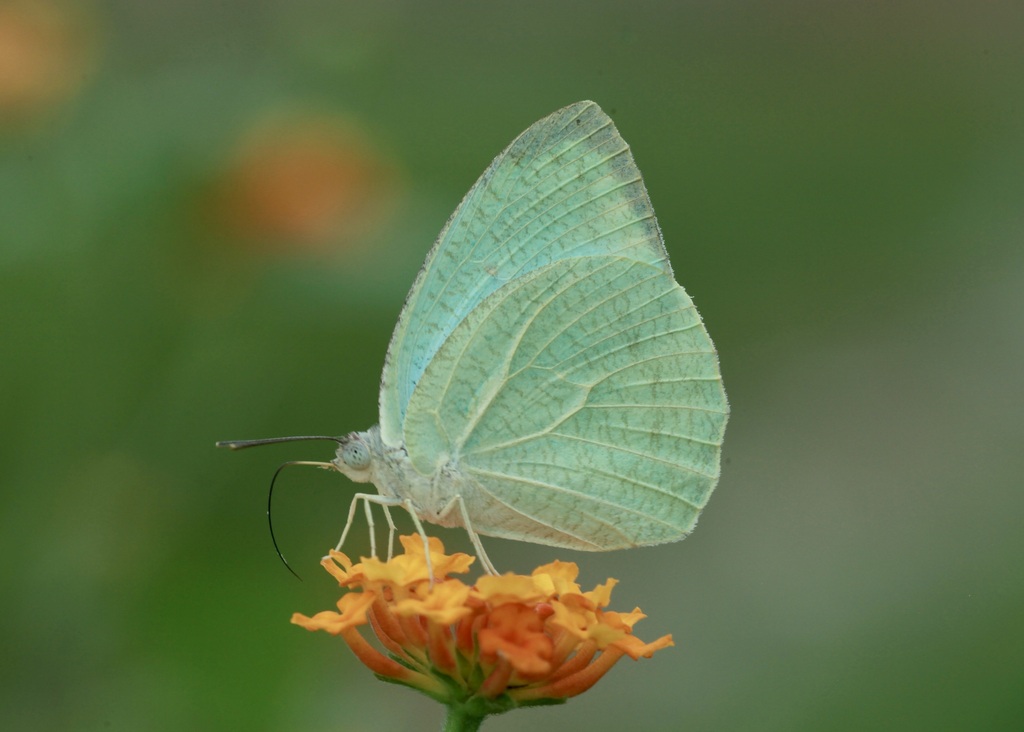
It lives in South and Southeast Asia and parts of Australia, feeding as a caterpillar on various legumes such as Cassia, Senna, Crotalaria and others. The life cycle from egg to adult takes about three weeks, allowing many generations each year.
Source: Wikipedia
How to recognize it
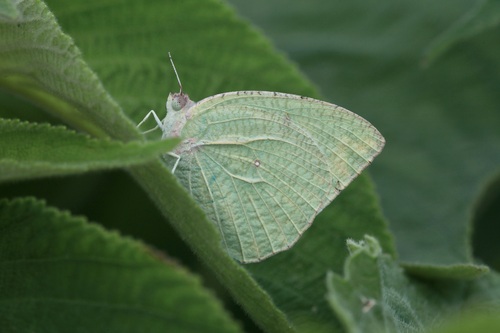
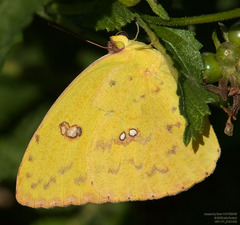
Upper side is chalky white, sometimes with a green tint; underside is similar but greener or ochre with short reddish-brown streaks and a faint discocellular spot.
Source: Wikipedia
Size
It is a medium-sized butterfly.
Source: Wikipedia
What it eats
Caterpillars feed on Cassia, Gnidia glauca, Senna, Crotalaria, Ormocarpum, Sesbania and Colocasia species.
Source: Wikipedia
Life cycle
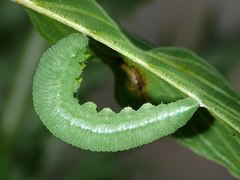
Larva is green, slightly depressed, with a white lateral line and a black line formed by tiny shining tubercles.
Source: Wikipedia
Where it comes from
Native to India, Myanmar, Bangladesh, Malaya and New Guinea.
Source: Wikipedia
Lookalikes
Looks similar to Eurema hecabe but is stouter and has a less pronounced wing-case keel. Typical larval colour is pale green with a yellow side line, usually found on Senna occidentalis.
Source: Wikipedia
More photos

Questions people ask
How can I identify a mottled emigrant?
Look for a medium-sized butterfly with chalky white upper wings, sometimes green-tinged, and a greenish underside with short reddish-brown streaks.
Source: Wikipedia
Same family (Pieridae)


Sources
- Wikipedia: https://en.wikipedia.org/wiki/Catopsilia_pyranthe
Look it up elsewhere: GBIF · iNaturalist · BugGuide · Wikipedia
Text written 2026-10-22 from the sources above and checked sentence by sentence against them. Data fetched 2026-10-22.