 Bug FAQ
Micrurapteryx occulta
Micrurapteryx occulta · Order: Lepidoptera · Family: Gracillariidae
Source: Wikipedia
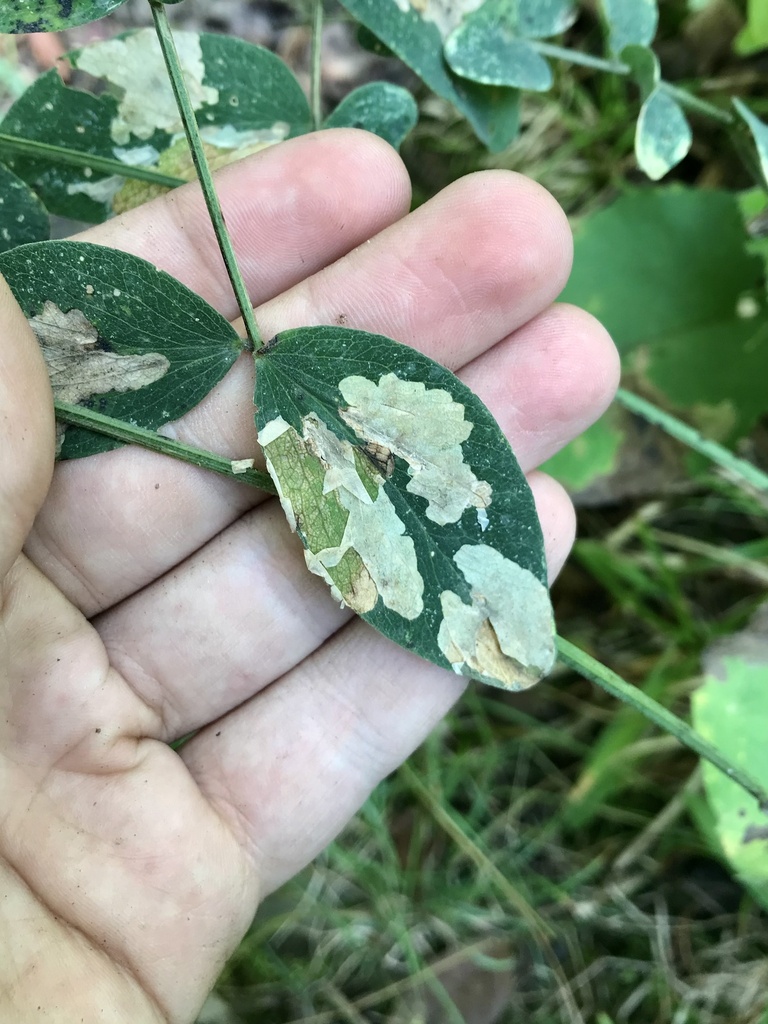
Adults have a wingspan of about 9 to 12 mm. They live in meadows, forest edges, open pine forests, alpine meadows and even sea-shore sites, from sea level up to high mountain elevations where host plants grow.
Source: Wikipedia
How to recognize it
The forewing pattern resembles that of Micrurapteryx gradatella but varies, with some specimens showing pale-based, dark-tipped scales that give a pale suffused look.
Source: Wikipedia
Size
Wingspan ranges from 8.7 mm to 11.7 mm.
Source: Wikipedia
Where it lives
Habitats include meadows, forest edges, open ponderosa pine forests, alpine meadows, sea shores and likely other sites where suitable host plants occur, from lowlands to high mountains.
Source: Wikipedia
Life cycle
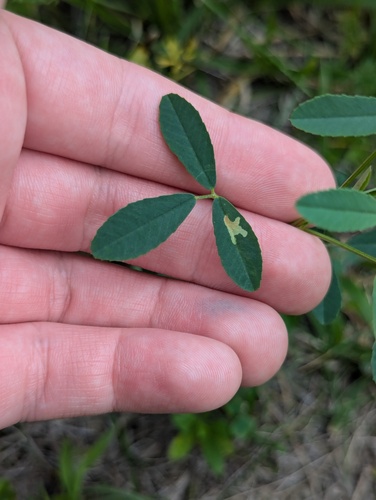
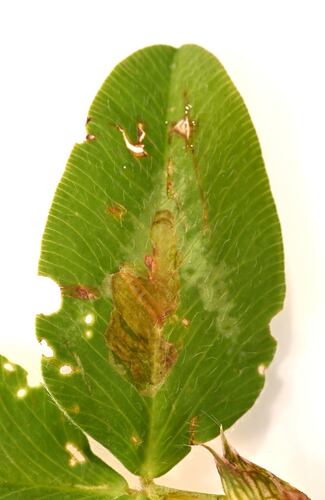
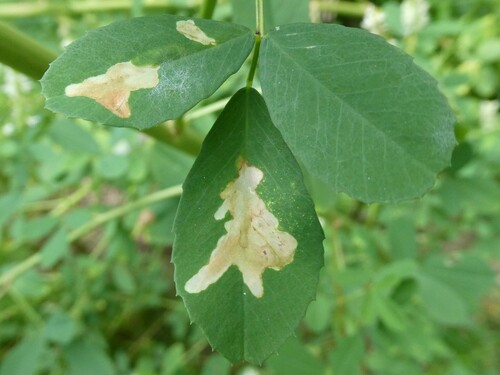
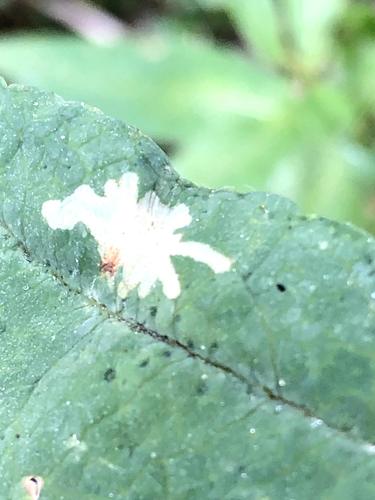
The larvae mine the leaves of their host plants, creating an irregular, somewhat digitate greenish mine that starts over the midrib and appears whitish there. Leaf mining is the primary feeding habit of the larvae.
Source: Wikipedia
Where it comes from
It occurs across the northern half of North America, from the Maritime Provinces of Canada to British Columbia and the Yukon.
Source: Wikipedia
Where it is found in the US
Recorded in 17 of 51 states and DC. Most records: Vermont, Michigan, California, Washington, Montana, Minnesota, Oregon, Maryland.
Darker = more records. Counts are museum and citizen-science records, not population size.
Source: GBIF
Status: native in North America; native in Canada. Source: iNaturalist
Months it is reported in the US
Source: GBIF
More photos
Questions people ask
What does the leaf mine look like?
The mine is an irregular, digitate greenish tunnel that starts over the leaf midrib and is whitish at its origin.
Source: Wikipedia
Which other moth looks similar to Micrurapteryx occulta?
It closely resembles Micrurapteryx gradatella, though the forewing pattern can be more variable with pale suffusion and rufous markings in some specimens.
Source: Wikipedia
Same family (Gracillariidae)
 Horse-chestnut LeafminerCameraria ohridellaDamages trees, gardens or crops
 Aspen Serpentine Leafminer MothPhyllocnistis populiellaDamages trees, gardens or crops
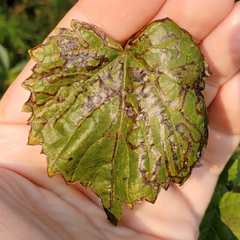 Phyllocnistis vitegenella complexPhyllocnistis vitegenellaDamages trees, gardens or crops
 Locust Digitate Leafminer MothParectopa robiniellaDamages trees, gardens or crops
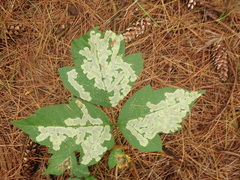 Poison Ivy Leaf-miner MothCameraria guttifinitella
 Phyllocnistis insignisDamages trees, gardens or crops
Sources
- Wikipedia: https://en.wikipedia.org/wiki/Micrurapteryx_occulta
Look it up elsewhere: GBIF · iNaturalist · BugGuide · Wikipedia
Text written 2026-10-28 from the sources above and checked sentence by sentence against them. Data fetched 2026-10-28.