 Bug FAQ
Messor pergandei
Messor pergandei · Order: Hymenoptera · Family: Formicidae
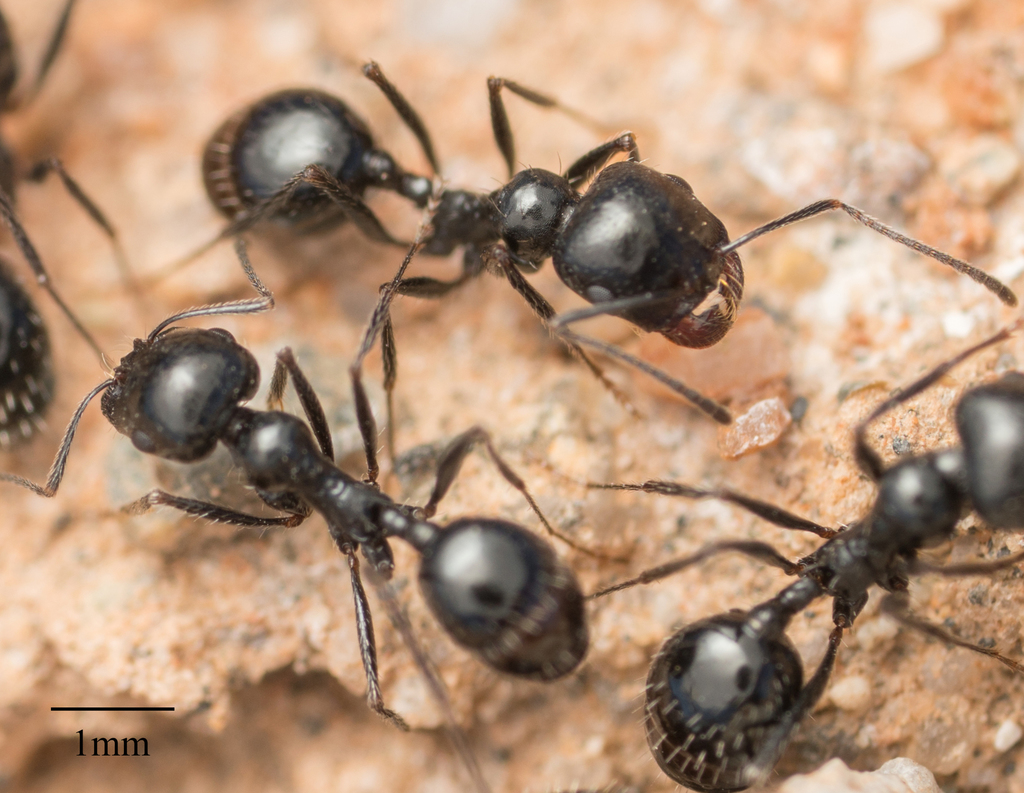
It lives in desert areas of the southwestern United States and the Baja California peninsula, gathering fruits and seeds, especially from shrubs such as creosote and white bursage.
Source: Wikipedia
Size
Males are typically about 8.5 mm long and females about 10 mm. Individual size can vary depending on food availability and competition.
Source: Wikipedia
Where it lives
It is native to desert regions of the southwestern United States, especially southeastern California. It has also been recorded on the Baja California peninsula of Mexico.
Source: Wikipedia
What it eats
Like other harvester ants, it collects fruits and seeds for food. Its diet includes seeds of perennial shrubs such as creosote (Larrea tridentata) and white bursage (Ambrosia dumosa).
Source: Wikipedia
Where it comes from
Its native range includes the southwestern United States and Baja California in Mexico.
Source: Wikipedia
Where it is found in the US
Recorded in 4 of 51 states and DC. Most records: California, Arizona, Nevada, Colorado.
Darker = more records. Counts are museum and citizen-science records, not population size.
Source: GBIF
Months it is reported in the US
Source: GBIF
More photos

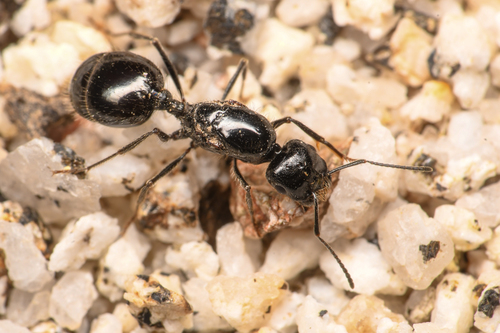
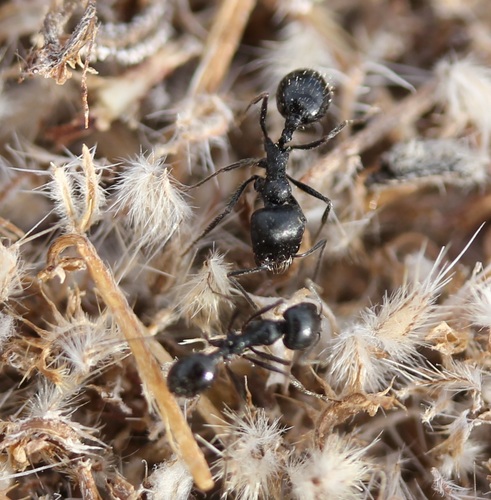
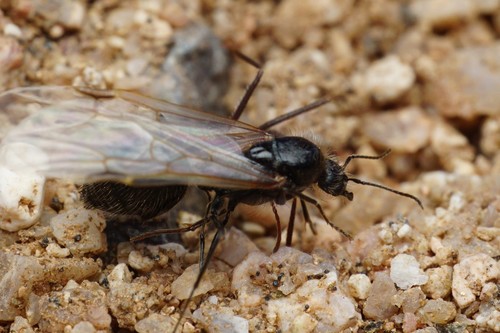
Questions people ask
What does Messor pergandei eat?
It gathers fruits and seeds, especially the seeds of creosote and white bursage shrubs.
Source: Wikipedia
Where is Messor pergandei found?
It lives in desert areas of the southwestern United States and the Baja California peninsula of Mexico.
Source: Wikipedia
Same family (Formicidae)
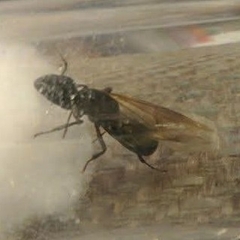 Eastern Black Carpenter AntCamponotus pennsylvanicusCan damage your home
 Red Imported Fire AntSolenopsis invictaCan sting
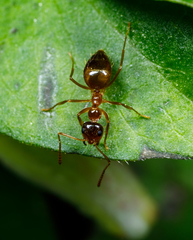 American Winter AntPrenolepis imparis
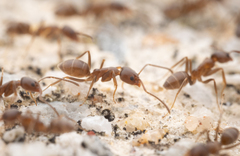 Argentine AntLinepithema humileNuisance, not dangerous
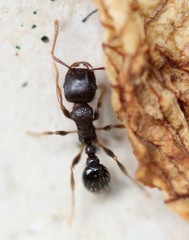 Immigrant Pavement AntTetramorium immigransCan sting
 Odorous House AntTapinoma sessileCan damage your home
Sources
- Wikipedia: https://en.wikipedia.org/wiki/Veromessor_pergandei
Look it up elsewhere: GBIF · iNaturalist · BugGuide · ITIS · Wikipedia
Text written 2026-10-23 from the sources above and checked sentence by sentence against them. Data fetched 2026-10-23.