 Bug FAQ
Madrone Skin Miner
Marmara arbutiella · Order: Lepidoptera · Family: Gracillariidae
Source: Wikipedia
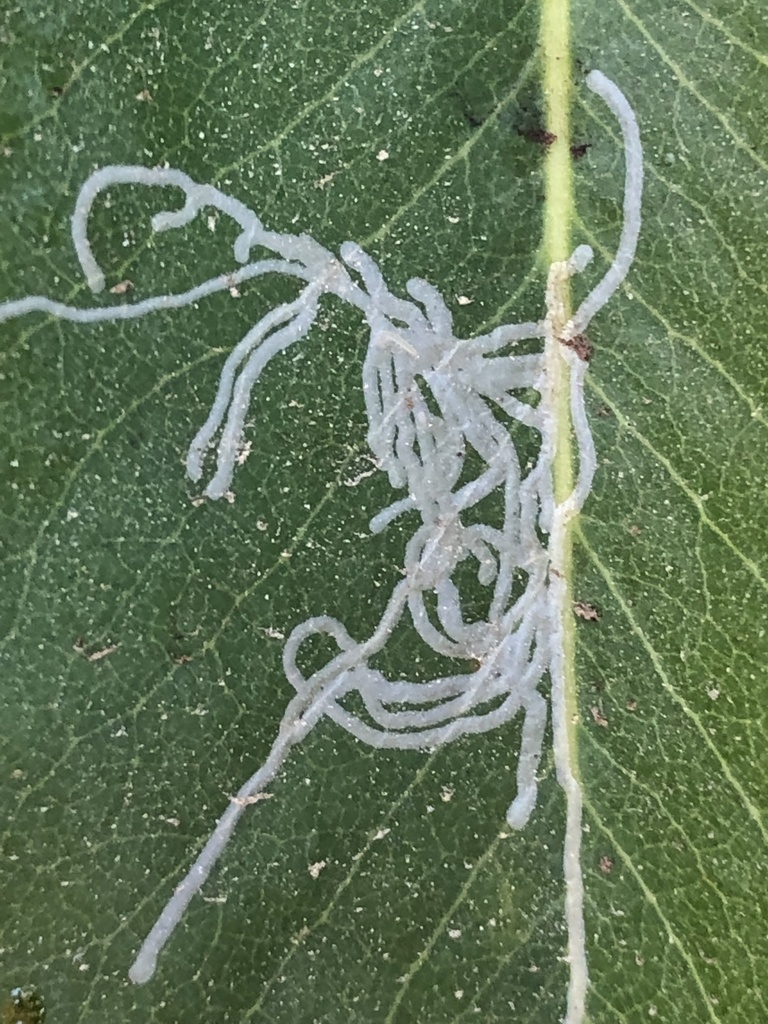
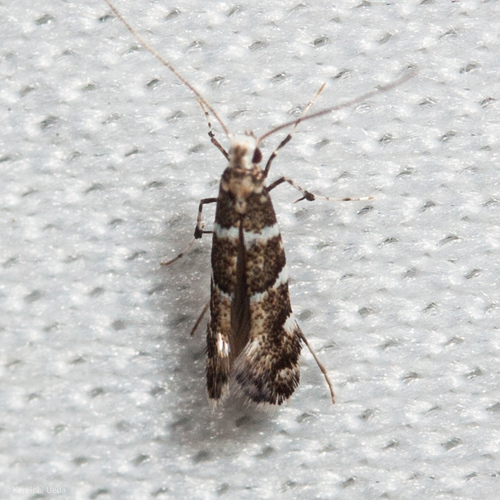
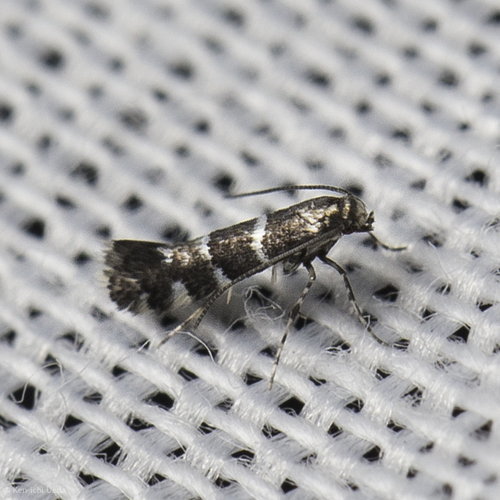
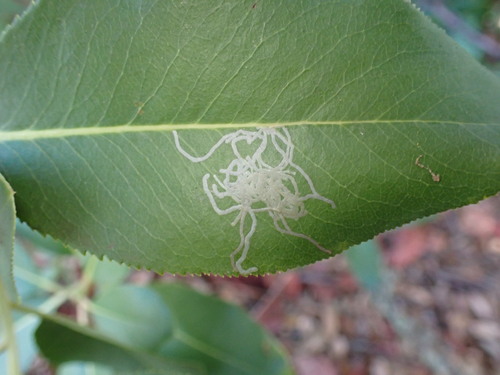
Madrone skin miner is a small moth in the Gracillariidae family. It lives in western North America, specifically Canada and the U.S. states of Oregon, Washington and California. The caterpillars feed on madrone, strawberry tree and related shrubs, mining the leaves and harming the plants.
Source: Wikipedia
How to recognize it
Marmara arbutiella belongs to the moth family Gracillariidae.
Source: Wikipedia
Where it lives
It is found in Canada and the United States, especially Oregon, Washington and California.
Source: Wikipedia
What it eats
Larvae eat the leaves of Arbutus menziesii, Arbutus unedo and various Arctostaphylos species.
Source: Wikipedia
Life cycle
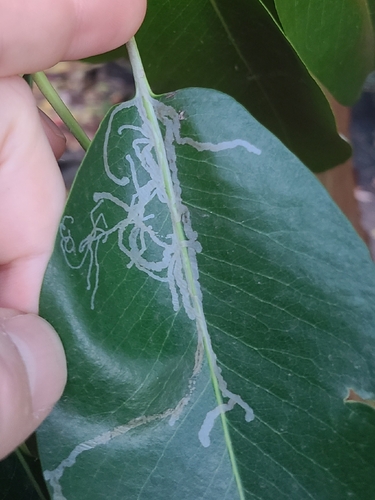
The immature stages mine the leaves of their host plants.
Source: Wikipedia
Where it comes from
Its native range includes Canada and the western United States (Oregon, Washington, California).
Source: Wikipedia
Where it is found in the US
Recorded in 6 of 51 states and DC. Most records: Washington, California, Oregon, Montana, Michigan, Nevada.
Darker = more records. Counts are museum and citizen-science records, not population size.
Source: GBIF
Status: native in North America; native in Canada. Source: iNaturalist
Months it is reported in the US
Source: GBIF
More photos
Questions people ask
What plants are affected by the madrone skin miner?
Its larvae feed on madrone, strawberry tree and related Arctostaphylos shrubs, mining the leaves.
Source: Wikipedia
Where is the madrone skin miner found?
It occurs in Canada and the western United States, especially Oregon, Washington and California.
Source: Wikipedia
Same family (Gracillariidae)
 Horse-chestnut LeafminerCameraria ohridellaDamages trees, gardens or crops
 Aspen Serpentine Leafminer MothPhyllocnistis populiellaDamages trees, gardens or crops
 Locust Digitate Leafminer MothParectopa robiniellaDamages trees, gardens or crops
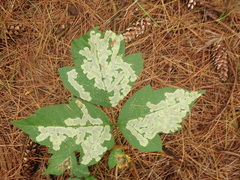 Poison Ivy Leaf-miner MothCameraria guttifinitella
 Phyllocnistis insignisPhyllocnistis insignisDamages trees, gardens or crops
 Tulip Tree Leaf MinerPhyllocnistis liriodendronellaDamages trees, gardens or crops
Sources
- Wikipedia: https://en.wikipedia.org/wiki/Marmara_arbutiella
Look it up elsewhere: GBIF · iNaturalist · BugGuide · Wikipedia
Text written 2026-10-23 from the sources above and checked sentence by sentence against them. Data fetched 2026-10-23.