 Bug FAQ
Lychee Stink Bug
Tessaratoma papillosa · Order: Hemiptera · Family: Tessaratomidae
Source: Wikipedia
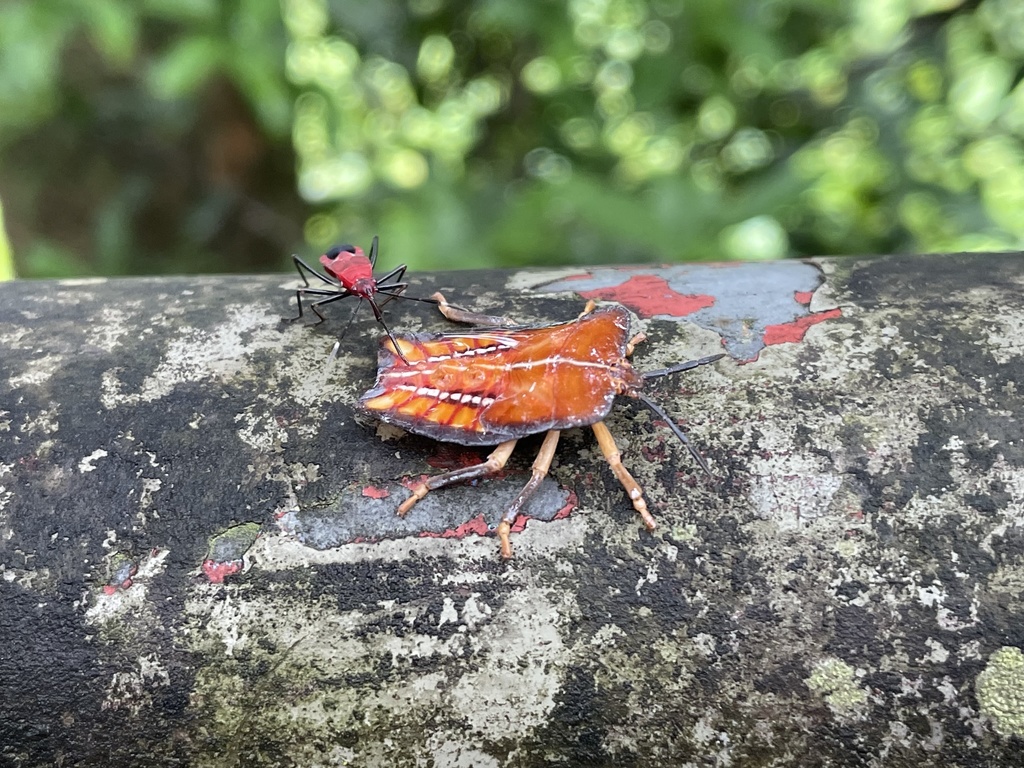
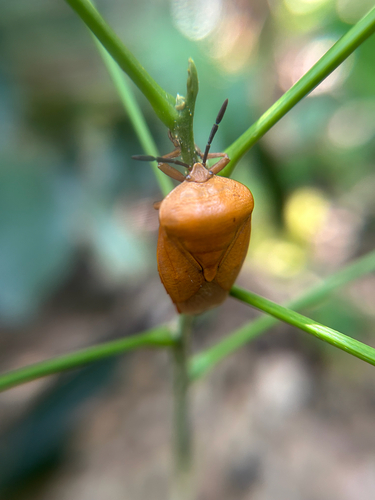
Adults are shield-shaped, yellowish-brown and measure about 24 to 28 mm long and 15 to 17 mm wide. They live in Indomalaya, Australasia and Eastern Asia where they feed on lychee and longan trees.
Source: Wikipedia
How to recognize it
The bug has a shield-shaped body with yellowish-brown colour and dark brown antennae that have four segments.
Source: Wikipedia
Size
Body length is 24 to 28 mm and width is 15 to 17 mm.
Source: Wikipedia
Is it a pest in the house?
Because it damages lychee and longan crops, it is regarded as an agricultural pest that causes economic losses.
Source: Wikipedia
Life cycle
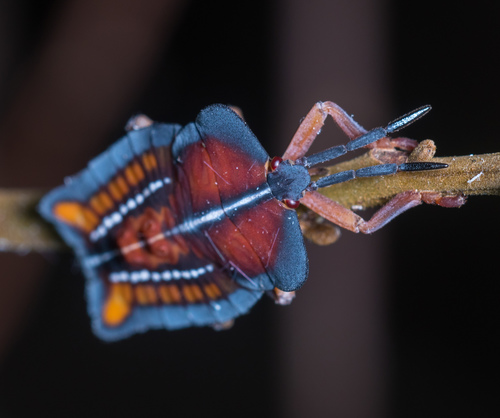
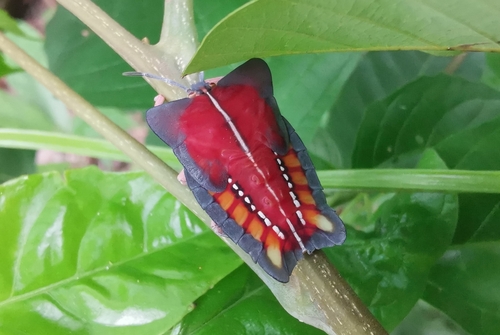
Nymphs go through five instars. The first instar is oval and about 4 to 5 mm long.
Source: Wikipedia
Where it comes from
Its native range includes Indomalaya, Australasia and Eastern Asia.
Source: Wikipedia
More photos
Questions people ask
Why is the lychee stink bug considered a pest?
Its feeding damages lychee and longan crops, leading to significant economic losses for farmers.
Source: Wikipedia
Same family (Tessaratomidae)

Sources
- Wikipedia: https://en.wikipedia.org/wiki/Tessaratoma_papillosa
Look it up elsewhere: GBIF · iNaturalist · BugGuide · ITIS · Wikipedia
Text written 2026-10-22 from the sources above and checked sentence by sentence against them. Data fetched 2026-10-22.