 Bug FAQ
Litiulus alaskanus
Litiulus alaskanus · Order: Julida · Family: Parajulidae
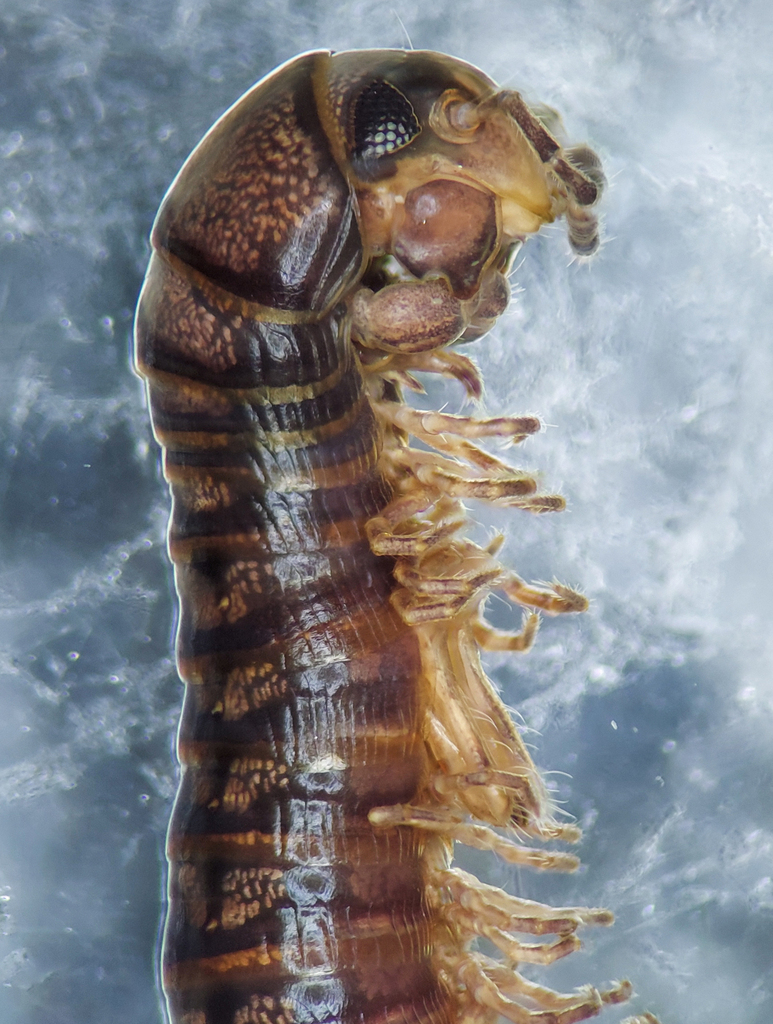
Litiulus alaskanus lives in wet, coastal evergreen rainforests of the northeastern Pacific where fungi are abundant. It feeds mainly on fruiting fungal bodies and occasionally on slime molds. Its range stretches from Tlingit territory in the north to Haida territory in the south.
Source: Wikipedia
How to recognize it
Litiulus is a genus of millipedes in the order Julida.
Source: Wikipedia
Size
Litiulus alaskanus is the only species in its genus.
Source: Wikipedia
Where it lives
It lives in wet, coastal evergreen rainforests of the northeastern Pacific where fungi are abundant.
Source: Wikipedia
What it eats
It feeds mainly on fruiting fungal bodies and occasionally on slime molds.
Source: Wikipedia
Where it comes from
Its range stretches from Tlingit territory in the north to Haida territory in the south.
Source: Wikipedia
Where it is found in the US
Recorded in 2 of 51 states and DC. Most records: Alaska, Oregon.
Darker = more records. Counts are museum and citizen-science records, not population size.
Source: GBIF
Status: native in North America; native in Canada. Source: iNaturalist
Months it is reported in the US
Source: GBIF
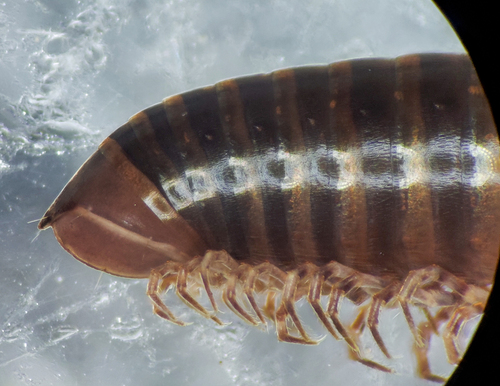
More photos
Questions people ask
What does Litiulus alaskanus eat?
It primarily consumes fruiting bodies of fungi and sometimes slime molds.
Source: Wikipedia
Where can I find Litiulus alaskanus?
It occurs in wet, coastal evergreen rainforests of the northeastern Pacific, from Tlingit to Haida territories.
Source: Wikipedia
Same family (Parajulidae)
Sources
- Wikipedia: https://en.wikipedia.org/wiki/Litiulus
Look it up elsewhere: GBIF · iNaturalist · BugGuide · ITIS · Wikipedia
Text written 2026-10-29 from the sources above and checked sentence by sentence against them. Data fetched 2026-10-29.