 Bug FAQ
Light-ribboned Wave
Leptostales ferruminaria · Order: Lepidoptera · Family: Geometridae
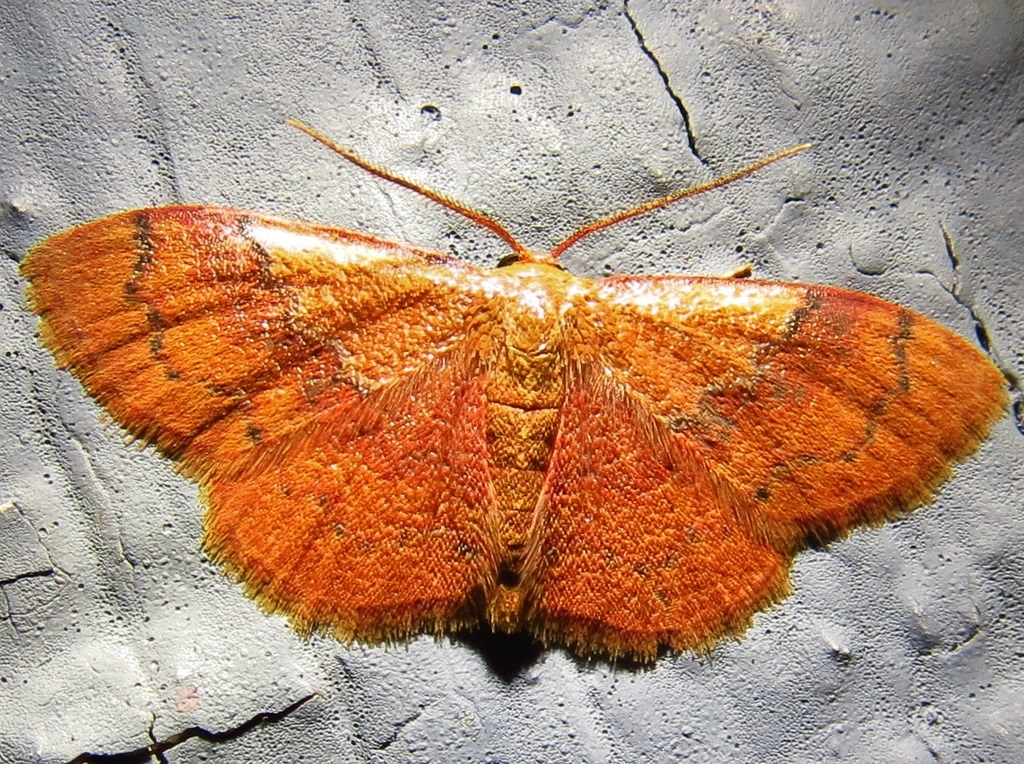
The light-ribboned wave moth has a wingspan of about 15 to 20 mm and adults can look quite different from one another. It lives in dry, shrubby spots and along the wooded edges of prairie river floodplains across much of North America, from the east to Oklahoma and up to British Columbia. Adults fly once a year from late May to mid-June.
Source: Wikipedia
How to recognize it
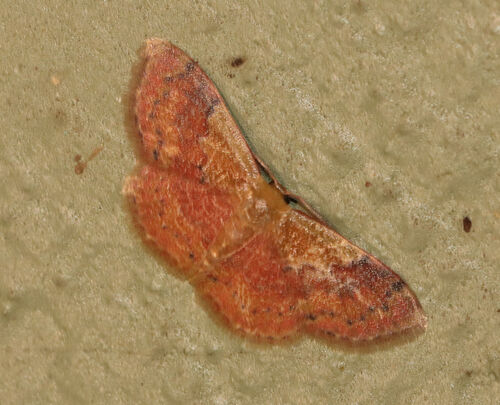
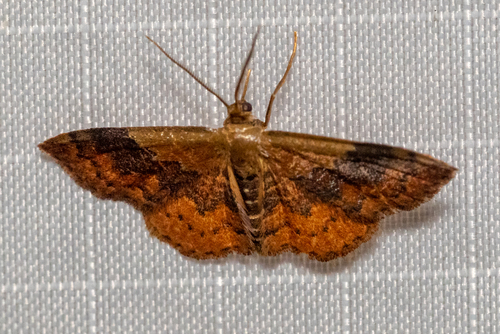
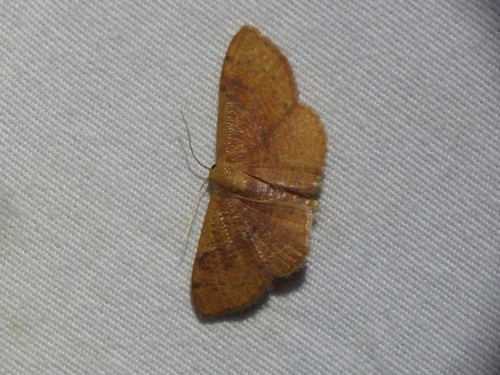
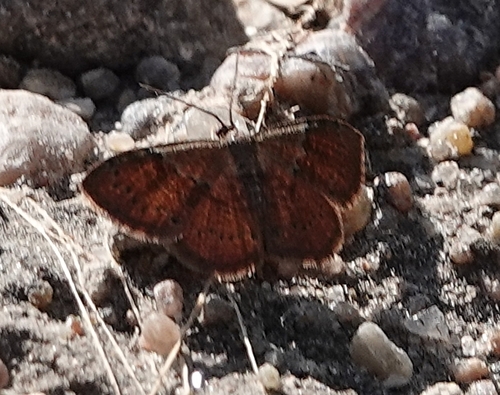
Adults show a lot of variation in appearance.
Source: Wikipedia
Size
The wingspan ranges from 15 to 20 mm.
Source: Wikipedia
Where it lives
It prefers dry, shrubby areas and the wooded edges of prairie river floodplains.
Source: Wikipedia
Life cycle
Adults are on the wing in a single generation from late May to mid-June.
Source: Wikipedia
When you see it
The flight period is late May through mid-June.
Source: Wikipedia
Where it is found in the US
Recorded in 23 of 51 states and DC. Most records: Oklahoma, Texas, Tennessee, Virginia, Missouri, Nebraska, Alabama, Kentucky.
Darker = more records. Counts are museum and citizen-science records, not population size.
Source: GBIF
Status: native in North America; native in Canada. Source: iNaturalist
Months it is reported in the US
Source: GBIF
More photos
Questions people ask
When can I see adult light-ribboned wave moths?
Adults are active from late May to mid-June in their single yearly generation.
Source: Wikipedia
Where does this moth live?
It inhabits dry, shrubby sites and wooded floodplain edges across much of North America, from the east to Oklahoma and up to British Columbia.
Source: Wikipedia
Same family (Geometridae)




Sources
- Wikipedia: https://en.wikipedia.org/wiki/Leptostales_ferruminaria
Look it up elsewhere: GBIF · iNaturalist · BugGuide · ITIS · Wikipedia
Text written 2026-10-24 from the sources above and checked sentence by sentence against them. Data fetched 2026-10-24.