 Bug FAQ
Kōwhai moth
Uresiphita maorialis · Order: Lepidoptera · Family: Crambidae
Source: Wikipedia
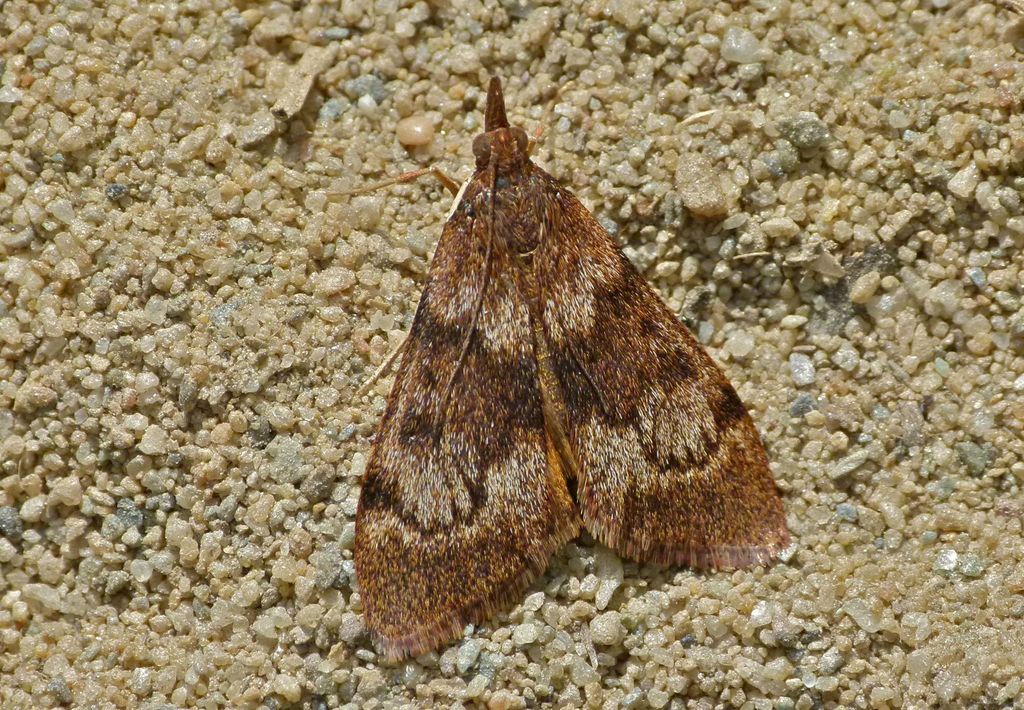
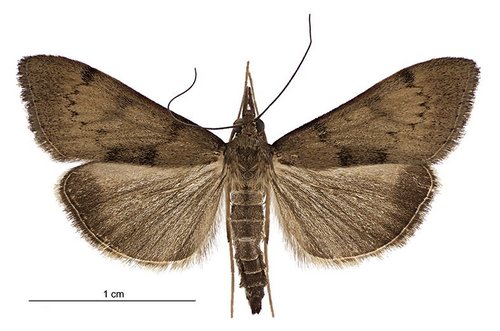
Adults have a wingspan of about 27 mm and can be green or red in colour. The moth occurs across the Pacific, including New Zealand where it is endemic, as well as Hawaii, Sri Lanka, Europe and parts of Africa.
Source: Wikipedia
How to recognize it
Adults range in colour from green to red.
Source: Wikipedia
Size
The wingspan is about 27 mm.
Source: Wikipedia
What it eats
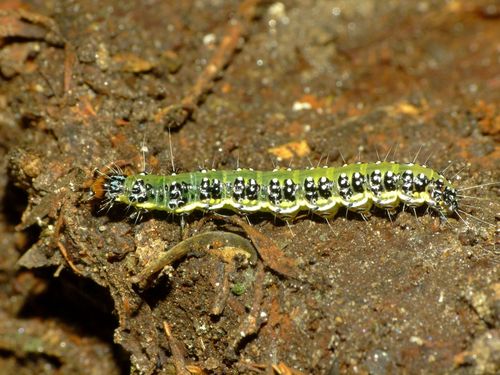
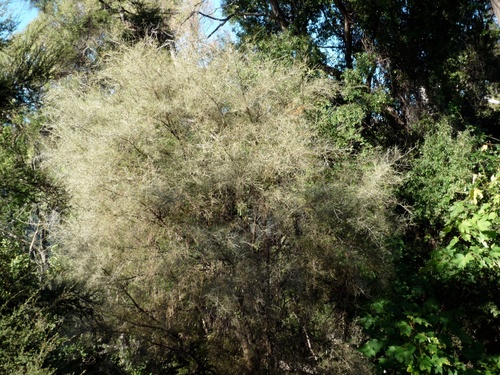
Larvae feed on plants in the Fabaceae family such as Ulex, Genista, Sarothamnus, Sophora and related tribes. They also eat the endemic kowhai species and introduced lupin.
Source: Wikipedia
Life cycle
The species was first described in 1775 by Denis and Schiffermüller.
Source: Wikipedia
Where it comes from
This subspecies is endemic to New Zealand.
Source: Wikipedia
Lookalikes
A related species is Uresiphita polygonalis, also in the Crambidae family. In New Zealand the moth is known as the kowhai moth.
Source: Wikipedia
Where it is found in the US
Recorded in 40 of 51 states and DC. Most records: Texas, California, Florida, North Carolina, Arizona, Oklahoma, Georgia, Louisiana.
Darker = more records. Counts are museum and citizen-science records, not population size.
Source: GBIF
Months it is reported in the US
Source: GBIF
More photos
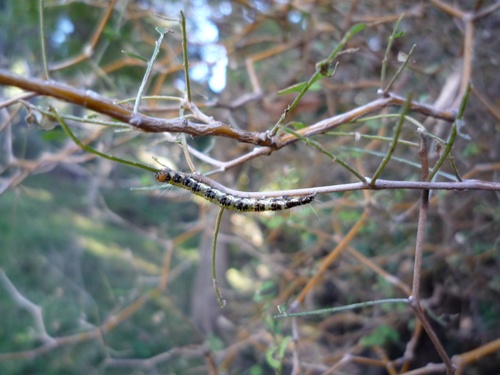
Questions people ask
What do kowhai moth larvae eat?
They feed on kowhai trees and on introduced lupin, as well as various Fabaceae plants.
Source: Wikipedia
Where is the kowhai moth found?
It occurs throughout New Zealand and across the Pacific, including Hawaii, Sri Lanka, Europe and parts of Africa.
Source: Wikipedia
Same family (Crambidae)
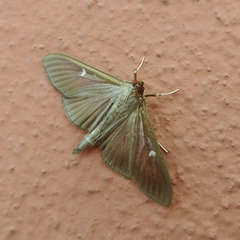 Box Tree MothCydalima perspectalisDamages trees, gardens or crops
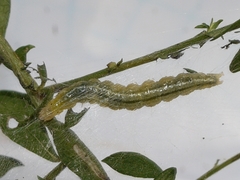 Celery Leaftier MothUdea rubigalisDamages trees, gardens or crops
 Elegant Grass-veneerMicrocrambus elegans
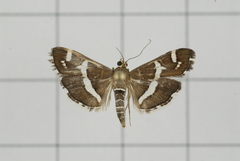 Hawaiian Beet Webworm MothSpoladea recurvalisDamages trees, gardens or crops
 Garden Grass-veneerChrysoteuchia culmellaDamages trees, gardens or crops
 Bluegrass Webworm MothParapediasia teterrellusDamages trees, gardens or crops
Sources
- Wikipedia: https://en.wikipedia.org/wiki/Uresiphita_polygonalis
Look it up elsewhere: GBIF · iNaturalist · BugGuide · Wikipedia
Text written 2026-10-23 from the sources above and checked sentence by sentence against them. Data fetched 2026-10-23.