 Bug FAQ
Grey Pug
Eupithecia subfuscata · Order: Lepidoptera · Family: Geometridae
Also called: gray pug, Grey Pug Moth
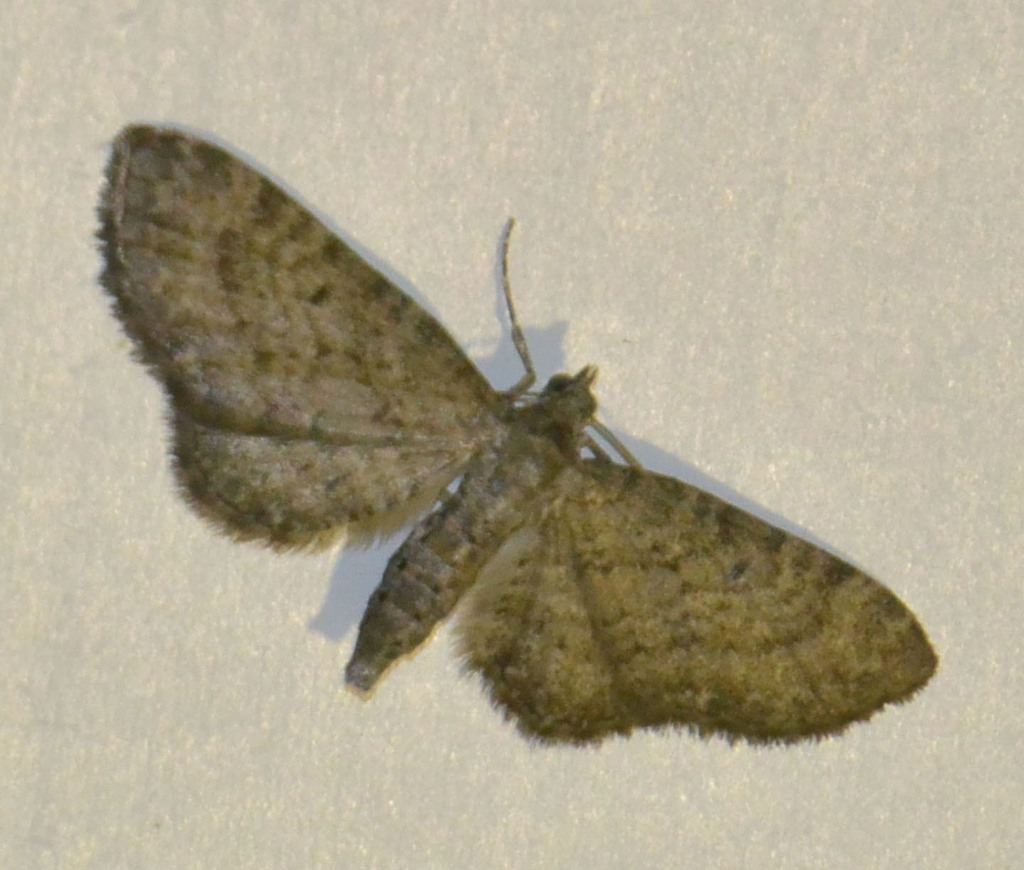
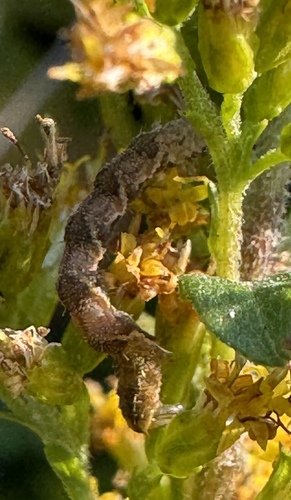
The small moth has a wingspan of about 17 to 21 mm and grey forewings with pale bands and radial lines that give a mottled look. It lives across the Palearctic region and is also present in North America, where it can be found in many habitats from forest edges to gardens and town centres.
Source: Wikipedia
How to recognize it
The forewings are grey, sometimes with an ochreous tint, and show pale bands and radial lines that create a mottled pattern. The hindwings are much paler, simpler in pattern, and have a small black spot near the centre.
Source: Wikipedia
Size
The wingspan ranges from 17 to 21 mm.
Source: Wikipedia
Where it lives
It occurs on forest edges, hedgerows, heath, rocky places, wetlands, parks, gardens, and even in villages and town centres. It is not picky about climate, soil or host plants and can be found in herb layers, bushes and on deciduous trees throughout plant corridors.
Source: Wikipedia
What it eats
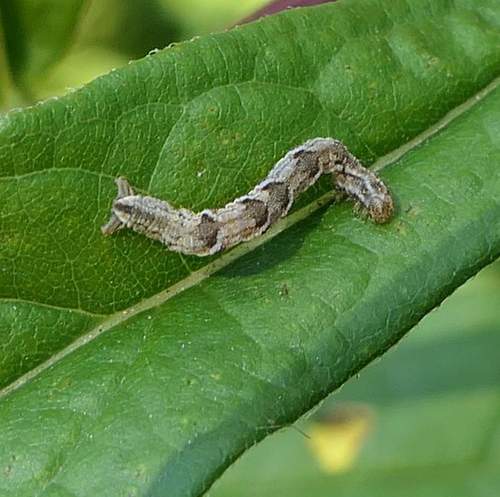
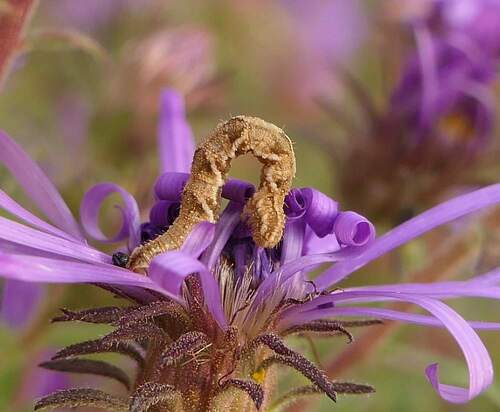
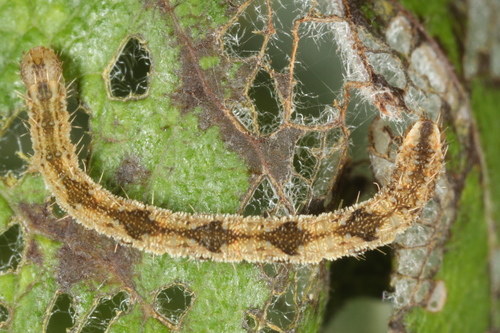
The caterpillars feed on the leaves and flowers of many different plant species.
Source: Wikipedia
Life cycle
The moth overwinters in the pupal stage.
Source: Wikipedia
When you see it
Adults are on the wing in May and June, with a possible second generation appearing in August. They are nocturnal and are attracted to light sources.
Source: Wikipedia
Where it comes from
The species is widespread throughout the Palearctic region. It is also recorded in North America.
Source: Wikipedia
Where it is found in the US
Recorded in 23 of 51 states and DC. Most records: Washington, Michigan, Oregon, Colorado, New York, Montana, Maine, Minnesota.
Darker = more records. Counts are museum and citizen-science records, not population size.
Source: GBIF
Months it is reported in the US
Source: GBIF
More photos
Questions people ask
When are these moths active?
Adults fly in May and June, and sometimes a second brood appears in August; they are active at night and come to lights.
Source: Wikipedia
Where might I find this moth?
Look for it in forest edges, hedgerows, heath, rocky places, wetlands, parks, gardens and even in town centres.
Source: Wikipedia
Same family (Geometridae)




Sources
- Wikipedia: https://en.wikipedia.org/wiki/Grey_pug
Look it up elsewhere: GBIF · iNaturalist · BugGuide · ITIS · Wikipedia
Text written 2026-10-27 from the sources above and checked sentence by sentence against them. Data fetched 2026-10-27.