 Bug FAQ
Green Pug
Pasiphila rectangulata · Order: Lepidoptera · Family: Geometridae
Also called: Green Pug Moth
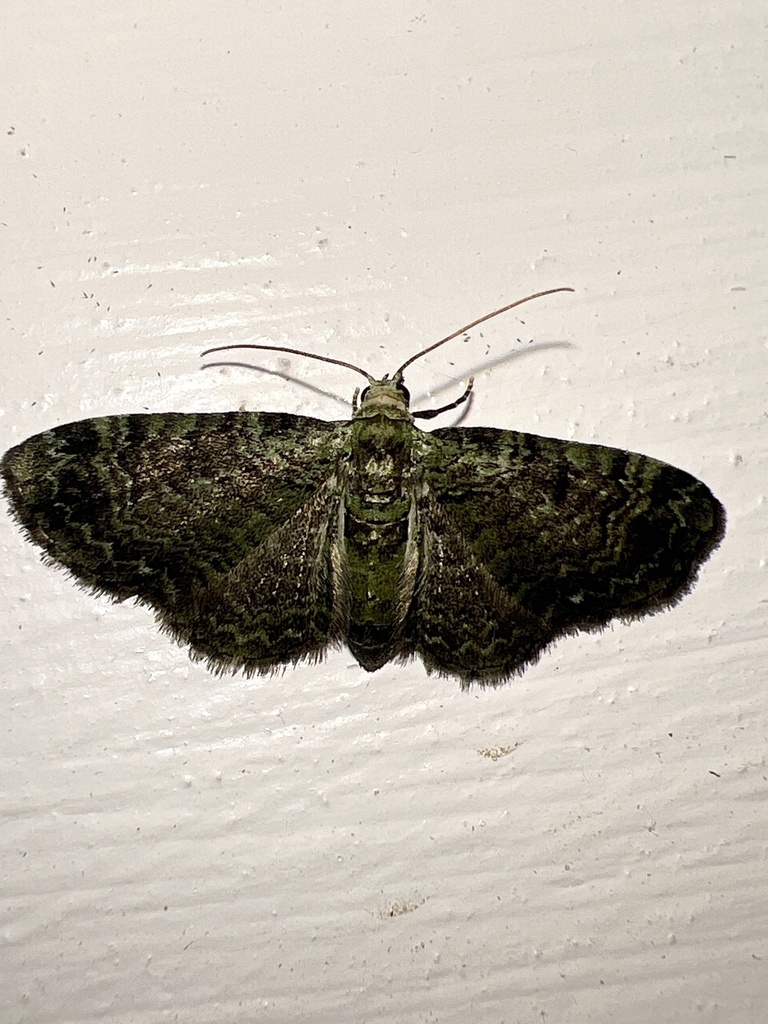
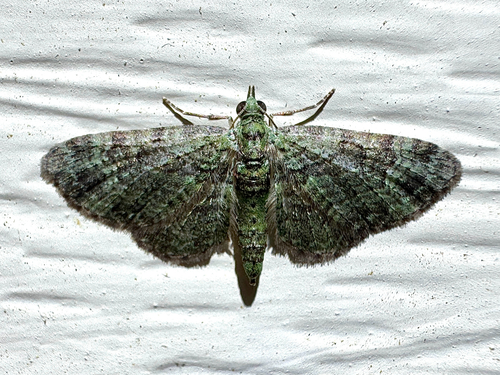
The green pug moth has variable wing colour, usually green with dark bars but often appearing mostly brown, and the green fades with age. It is widespread across the Palearctic region and the Near East and also occurs in North America, flying at night in June and July and attracted to light. Its green larva with a reddish stripe feeds on the flowers of many Rosaceae plants such as apple, cherry and hawthorn, and the species overwinters as an egg.
Source: Wikipedia
How to recognize it
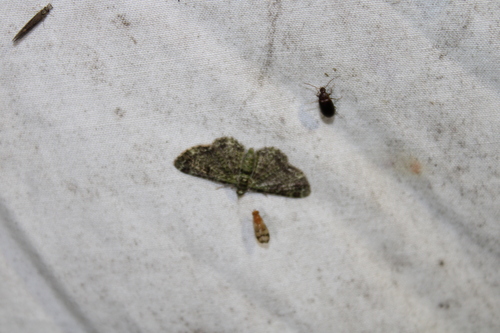
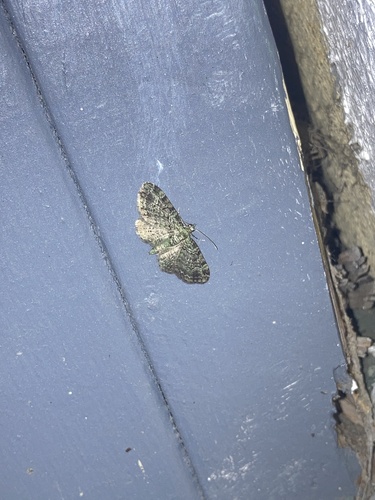
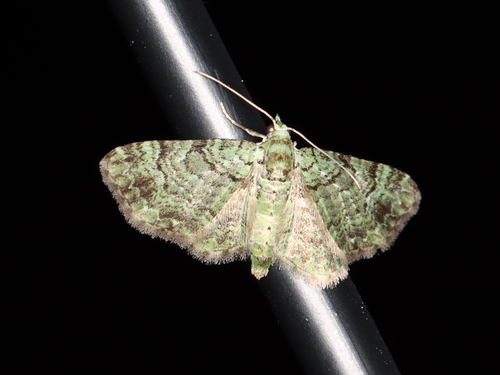
Adults usually have green wings with dark bars, but many look mostly dark brown and the green colour can fade over time.
Source: Wikipedia
What it eats
The stout green larva with a reddish stripe feeds on the flowers of various Rosaceae such as apple, blackthorn, cherry, hawthorn, pear and quince.
Source: Wikipedia
Life cycle
The species overwinters in the egg stage.
Source: Wikipedia
When you see it
Adults fly at night during June and July and are attracted to light.
Source: Wikipedia
Where it comes from
Its range includes the Palearctic region and the Near East, with occurrences in North America.
Source: Wikipedia
Lookalikes
It is sometimes placed in the genera Chloroclystis or Rhinoprora.
Source: Wikipedia
Where it is found in the US
Recorded in 25 of 51 states and DC. Most records: Vermont, Massachusetts, New York, Pennsylvania, Michigan, Alaska, Ohio, Washington.
Darker = more records. Counts are museum and citizen-science records, not population size.
Source: GBIF
Status: introduced in Canada; introduced in United States. Source: iNaturalist
Months it is reported in the US
Source: GBIF
More photos
Same family (Geometridae)
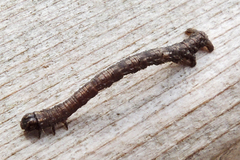
 Willow BeautyPeribatodes rhomboidaria
 Pale BeautyCampaea perlataDamages trees, gardens or crops
 Large Lace-border MothScopula limboundataDamages trees, gardens or crops
 Riband WaveIdaea aversata
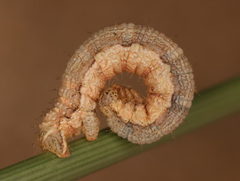 Yellow Shell MothCamptogramma bilineata
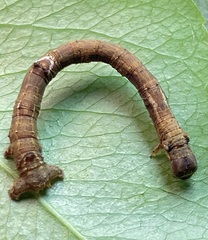 Large Maple Spanworm MothProchoerodes lineolaDamages trees, gardens or crops
Sources
- Wikipedia: https://en.wikipedia.org/wiki/Green_pug
Look it up elsewhere: GBIF · iNaturalist · BugGuide · ITIS · Wikipedia
Text written 2026-10-22 from the sources above and checked sentence by sentence against them. Data fetched 2026-10-22.