 Bug FAQ
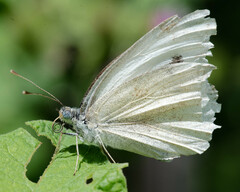
Green-eyed White
Leptophobia aripa · Order: Lepidoptera · Family: Pieridae
Also called: Common Green-eyed White

The common green-eyed white is a butterfly found in Mexico, Central and South America, occasionally reaching southern Texas. Adults sip nectar from flowers such as Emilia sonchifolia, Lantana camara and Bidens pilosa, while the caterpillars eat plants in the cabbage family like Brassica oleracea. It produces several generations each year, with overlapping life cycles.
Source: Wikipedia
Where it lives
It lives in Mexico, Central America and South America, and sometimes drifts north to southern Texas.
Source: Wikipedia
What it eats
Larvae eat members of the Brassicaceae family such as Brassica oleracea.
Source: Wikipedia
Life cycle
The butterfly is multivoltine, producing several overlapping generations each year.
Source: Wikipedia
Where it comes from
Its native range includes Mexico, Central America and South America.
Source: Wikipedia
Lookalikes
It belongs to the Pieridae family of butterflies.
Source: Wikipedia
Where it is found in the US
Recorded in 1 of 51 states and DC. Most records: Texas.
Darker = more records. Counts are museum and citizen-science records, not population size.
Source: GBIF
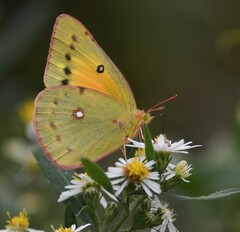
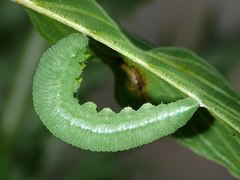
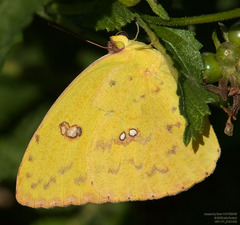
Same family (Pieridae)


Sources
- Wikipedia: https://en.wikipedia.org/wiki/Leptophobia_aripa
Look it up elsewhere: GBIF · iNaturalist · BugGuide · ITIS · Wikipedia
Text written 2026-10-22 from the sources above and checked sentence by sentence against them. Data fetched 2026-10-22.