 Bug FAQ
Glena nigricaria
Glena nigricaria · Order: Lepidoptera · Family: Geometridae
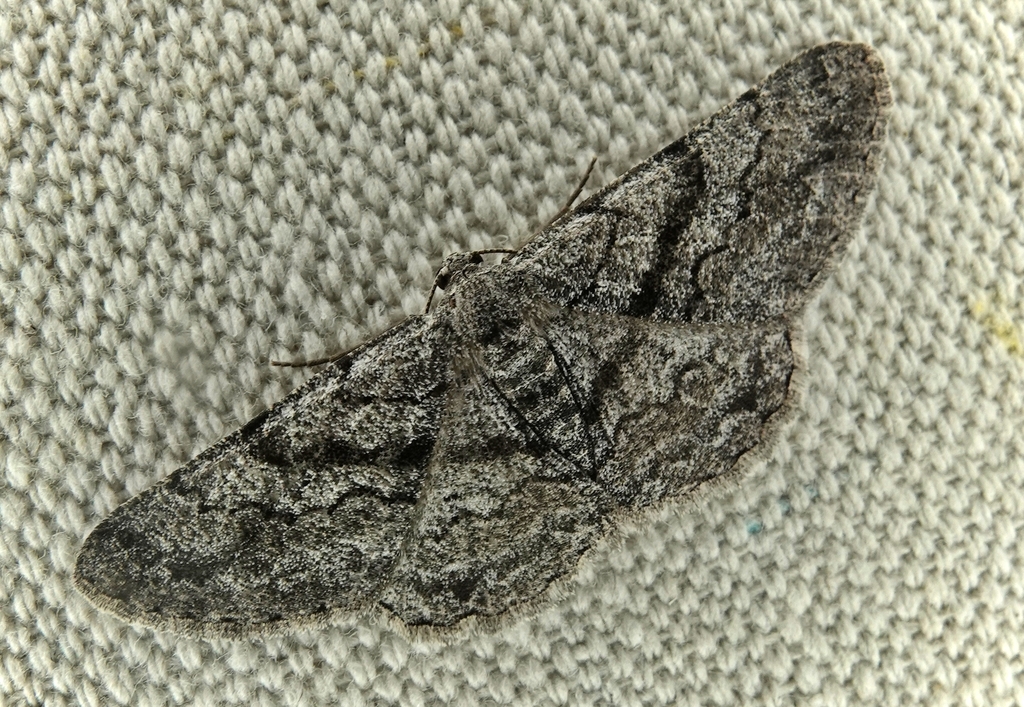
Glena nigricaria is a moth in the Geometridae family, first described in 1913 by William Barnes and James Halliday McDunnough. It lives across Central and North America, especially in southern British Columbia and areas extending south of Mexico.
Source: Wikipedia
How to recognize it
Glena nigricaria belongs to the moth family Geometridae.
Source: Wikipedia
Where it lives
The species is found throughout Central and North America. It is most common in southern British Columbia and in regions south of Mexico.
Source: Wikipedia
Where it comes from
Its native range includes Central and North America. Within that range it is especially present in southern British Columbia and areas extending south of Mexico.
Source: Wikipedia
Where it is found in the US
Recorded in 16 of 51 states and DC. Most records: Arizona, New Mexico, Montana, Colorado, California, Utah, Washington, South Dakota.
Darker = more records. Counts are museum and citizen-science records, not population size.
Source: GBIF
Status: native in North America; native in Canada; native in United States. Source: iNaturalist
Months it is reported in the US
Source: GBIF
More photos
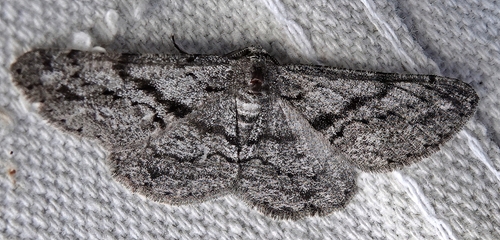
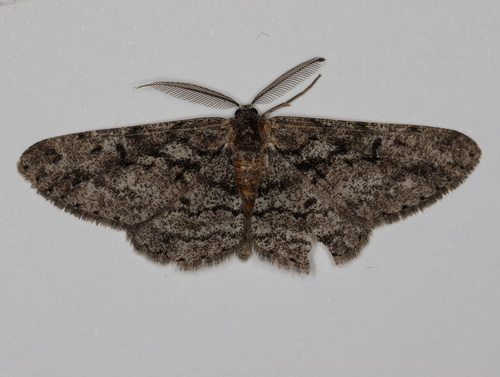
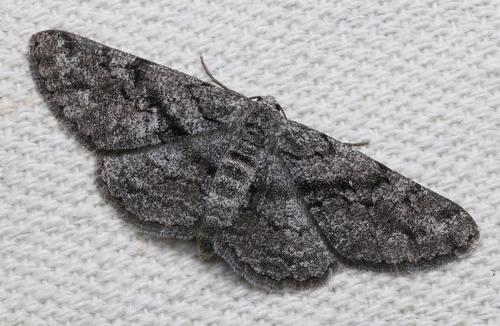
Questions people ask
Where is Glena nigricaria found?
It occurs in Central and North America, especially in southern British Columbia and south of Mexico.
Source: Wikipedia
What family does Glena nigricaria belong to?
It is a member of the Geometridae family of moths.
Source: Wikipedia
When was Glena nigricaria first described?
The species was first described in 1913 by William Barnes and James Halliday McDunnough.
Source: Wikipedia
Same family (Geometridae)




Sources
- Wikipedia: https://en.wikipedia.org/wiki/Glena_nigricaria
Look it up elsewhere: GBIF · iNaturalist · BugGuide · ITIS · Wikipedia
Text written 2026-10-25 from the sources above and checked sentence by sentence against them. Data fetched 2026-10-25.