 Bug FAQ
Ghost Yellow
Eurema albula · Order: Lepidoptera · Family: Pieridae
Also called: White Yellow
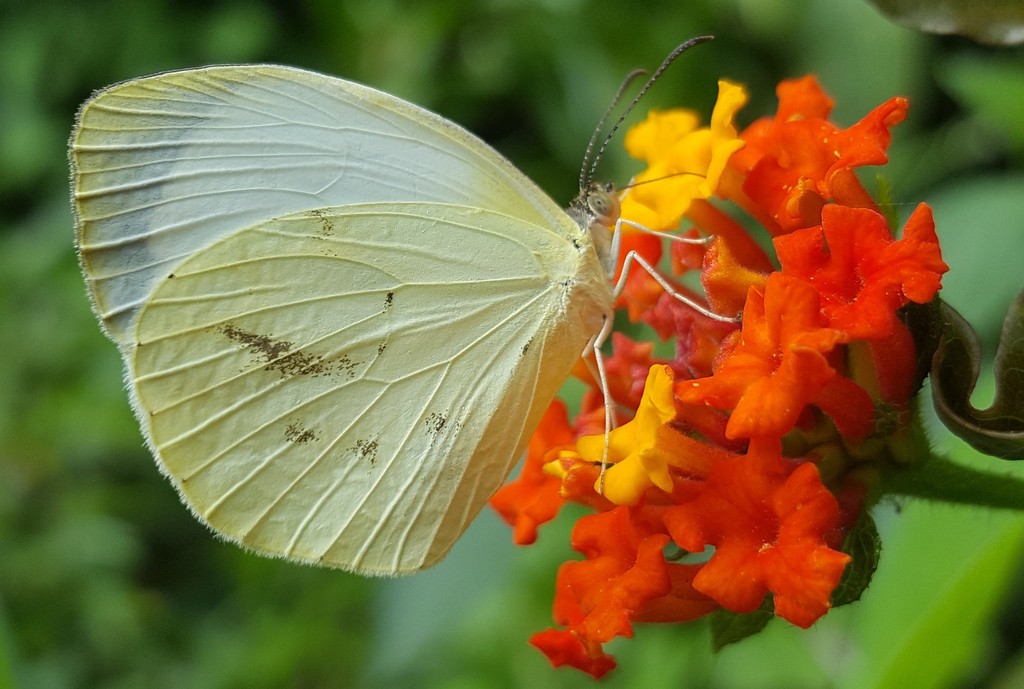
It lives in tropical forests and secondary growth, and can be seen year-round in those areas. Its range extends from southern Texas through the West Indies and tropical Central and South America to Brazil.
Source: Wikipedia
How to recognize it
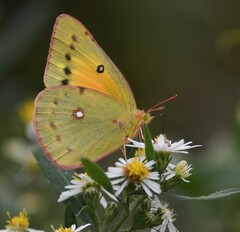
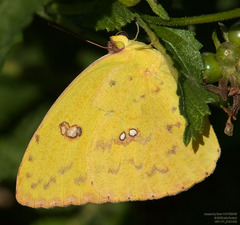
Eurema albula, called the ghost yellow, belongs to the butterfly family Pieridae.
Source: Wikipedia
Size
The wingspan measures between 30 and 50 mm, roughly 1.2 to 2.0 inches.
Source: Wikipedia
Where it lives
It inhabits tropical forests and areas of secondary growth.
Source: Wikipedia
What it eats
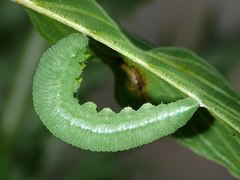
Adults feed on flower nectar. Caterpillars eat leaves of Cassia species, such as Cassia fruticosa.
Source: Wikipedia
Life cycle
Adults are active throughout the year in tropical regions.
Source: Wikipedia
When you see it
They can be seen on the wing all year in the tropics.
Source: Wikipedia
Where it comes from
Found from southern Texas (as a rare stray) down through the West Indies and tropical Central and South America to Brazil.
Source: Wikipedia
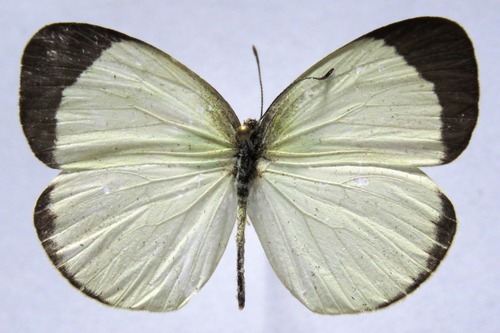
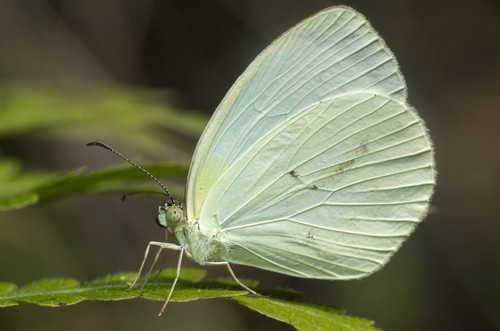
More photos

Questions people ask
What do ghost yellow butterflies eat?
Adults sip flower nectar, while the larvae feed on Cassia plants like Cassia fruticosa.
Source: Wikipedia
Where can I find ghost yellow butterflies?
They live in tropical forests and secondary growth from southern Texas through the West Indies to Brazil.
Source: Wikipedia
Are ghost yellow butterflies active year round?
Yes, adults are on the wing throughout the year in tropical areas.
Source: Wikipedia
Same family (Pieridae)


Sources
- Wikipedia: https://en.wikipedia.org/wiki/Eurema_albula
Look it up elsewhere: GBIF · iNaturalist · BugGuide · ITIS · Wikipedia
Text written 2026-10-23 from the sources above and checked sentence by sentence against them. Data fetched 2026-10-22.