 Bug FAQ
Formica aserva
Formica aserva · Order: Hymenoptera · Family: Formicidae
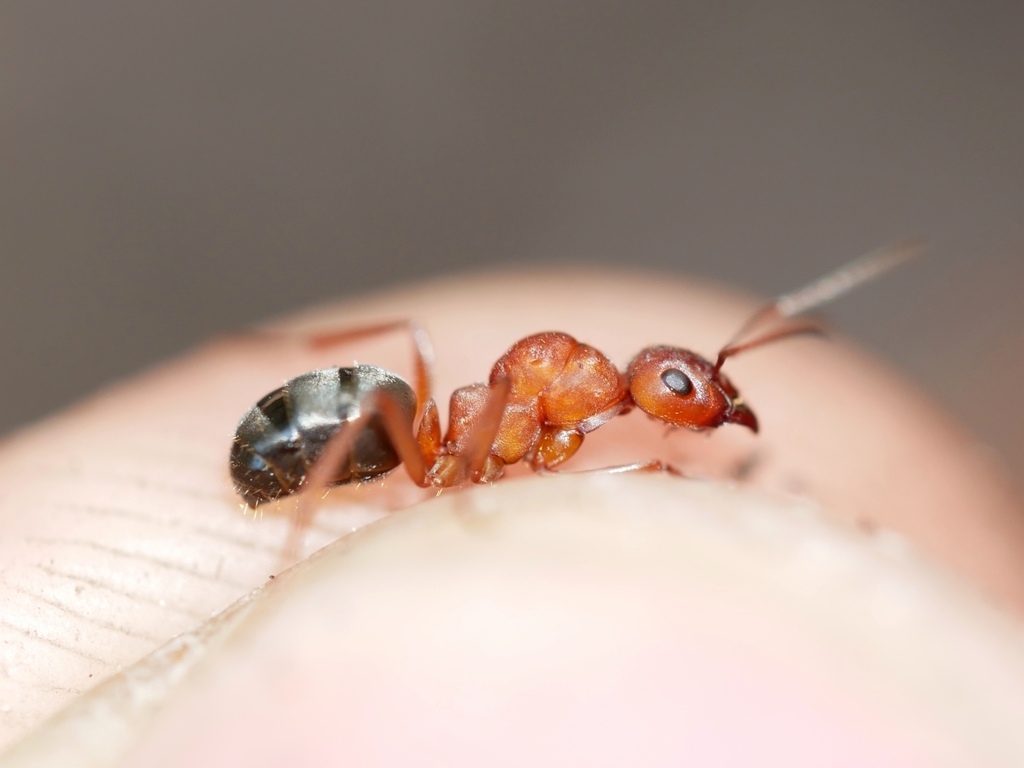
Formica aserva lives as a social parasite of other Formica ants.
Source: Wikipedia
How to recognize it
The species is identified as a social parasite of other Formica ants.
Source: Wikipedia
Is it a pest in the house?
It is not noted as a household pest beyond its parasitic behavior.
Source: Wikipedia
Does it bite or sting?
No information is given about biting or stinging.
Source: Wikipedia
How to get rid of it
Control measures would target the host colonies rather than the parasite itself.
Source: Wikipedia
Where it lives
It lives by parasitizing colonies of other Formica species.
Source: Wikipedia
What it eats
It obtains food by exploiting the resources of its host ants.
Source: Wikipedia
Life cycle
Its life cycle depends on infiltrating and using other Formica colonies.
Source: Wikipedia
When you see it
Seasonal activity follows that of its host ants.
Source: Wikipedia
Where it comes from
Its range is defined by the presence of suitable host Formica ants.
Source: Wikipedia
Lookalikes
It may be confused with other Formica ants, but its parasitic nature distinguishes it.
Source: Wikipedia
Where it is found in the US
Recorded in 25 of 51 states and DC. Most records: Alaska, Colorado, Utah, California, Montana, Washington, New Hampshire, Maine.
Darker = more records. Counts are museum and citizen-science records, not population size.
Source: GBIF
Status: native in North America; native in Canada; native in United States. Source: iNaturalist
Months it is reported in the US
Source: GBIF
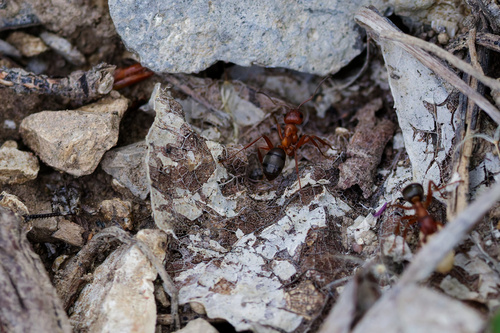
More photos
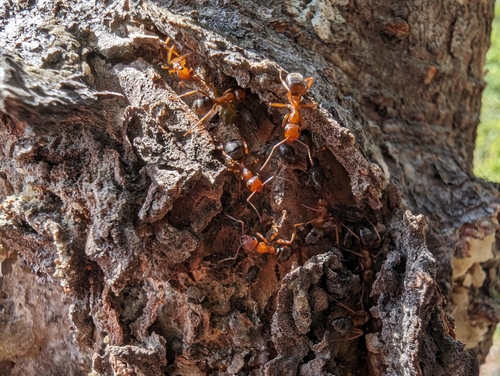
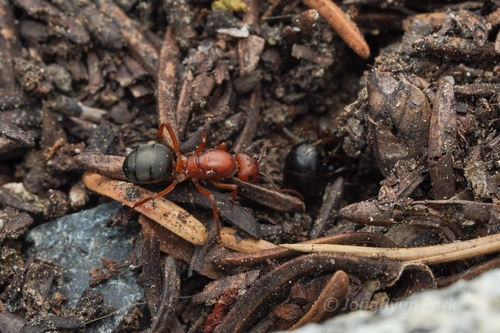
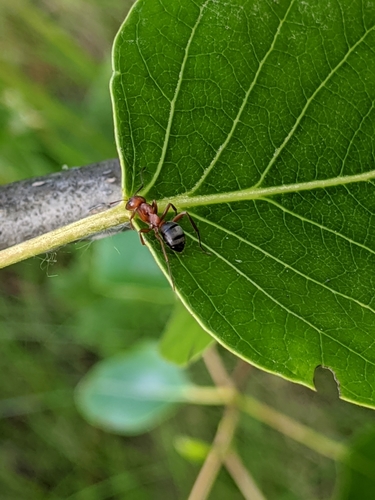
Same family (Formicidae)
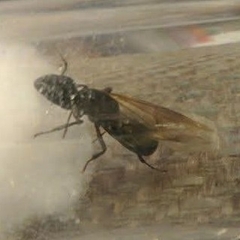 Eastern Black Carpenter AntCamponotus pennsylvanicusCan damage your home
 Red Imported Fire AntSolenopsis invictaCan sting
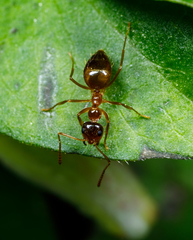 American Winter AntPrenolepis imparis
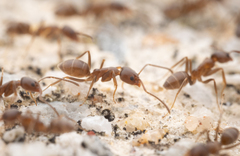 Argentine AntLinepithema humileNuisance, not dangerous
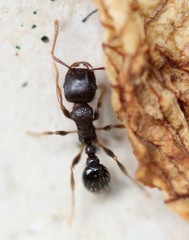 Immigrant Pavement AntTetramorium immigransCan sting
 Odorous House AntTapinoma sessileCan damage your home
Sources
- Wikipedia: https://en.wikipedia.org/wiki/Formica_aserva
Look it up elsewhere: GBIF · iNaturalist · BugGuide · ITIS · Wikipedia
Text written 2026-10-23 from the sources above and checked sentence by sentence against them. Data fetched 2026-10-23.