 Bug FAQ
Florida Carpenter Ant
Camponotus floridanus · Order: Hymenoptera · Family: Formicidae
Source: Wikipedia

Queens are 14 to 16 mm long and workers range from 4 to 13 mm, with the largest majors reaching up to 13 mm. They nest in dead wood, tree cavities, underground at tree bases, or in man-made hollow structures, preferring shaded, wooded areas but also tolerating suburban habitats. These ants are omnivorous, eating other arthropods as well as sweet substances like nectar and aphid honeydew.
Source: Wikipedia
How to recognize it
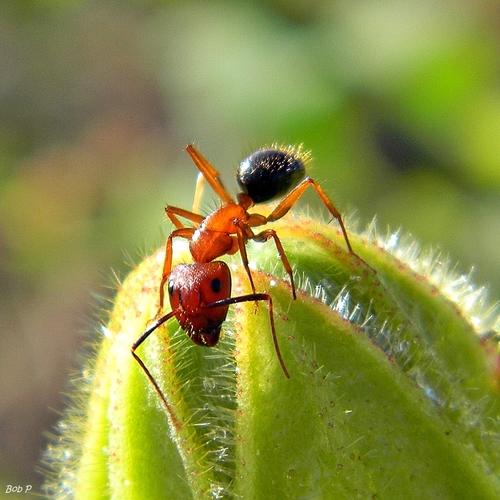
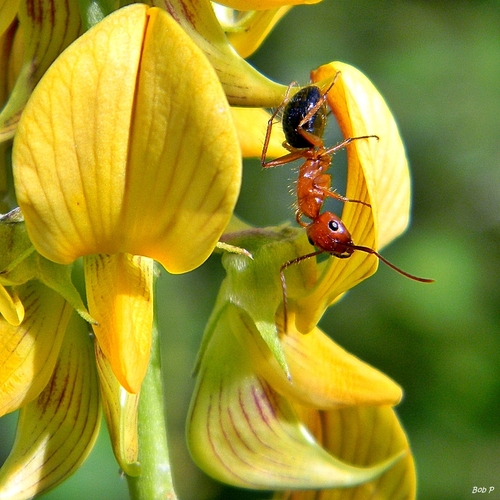
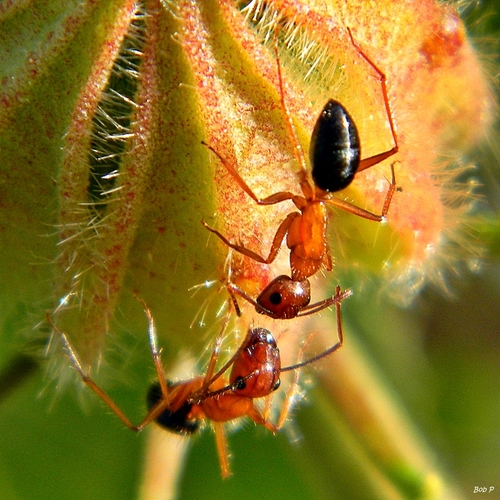
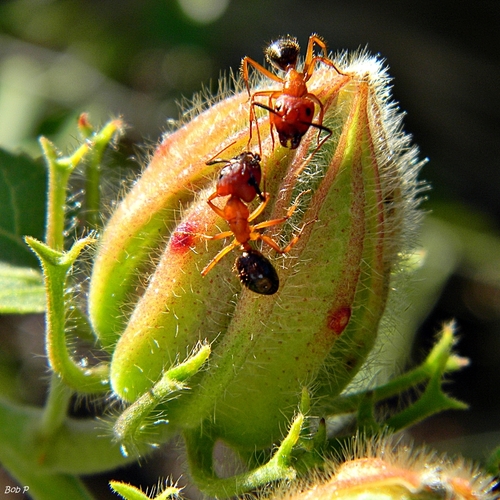
Workers and queens have a reddish-orange head and orange mesosoma and legs, with a sharply contrasting black gaster. Male alates are more uniformly rusty to cider orange in color.
Source: Wikipedia
Size
Queens average 14 to 16 mm; workers vary from 4 mm (minors) up to 11 to 13 mm (majors).
Source: Wikipedia
Is it a pest in the house?
They are common in suburban Florida and often appear on walls during mating flights, but they do not normally excavate wood, preferring existing cavities.
Source: Wikipedia
Does it bite or sting?
Workers aggressively bite, targeting skin creases and nail cuticles; major workers can pierce skin, cause bleeding, and spray formic acid.
Source: Wikipedia
Where it lives
Colonies live in dead wood, underground at the base of living trees, inside tree cavities, or in artificial hollow structures like poles and fences. They favor shaded, densely wooded areas but also thrive in disturbed suburban environments.
Source: Wikipedia
What it eats
They are omnivorous, feeding on other arthropods and sugary foods such as nectar and aphid secretions.
Source: Wikipedia
Lookalikes
Compared with the smaller Camponotus tortuganus, C. floridanus has a head that is wider than long, shorter stockier legs, and a generally stouter body.
Source: Wikipedia
Where it is found in the US
Recorded in 8 of 51 states and DC. Most records: Florida, Georgia, South Carolina, Texas, Alabama, Mississippi, North Carolina, Illinois.
Darker = more records. Counts are museum and citizen-science records, not population size.
Source: GBIF
Status: endemic in United States; native in North America. Source: iNaturalist
Months it is reported in the US
Source: GBIF
More photos
Questions people ask
Do Florida carpenter ants bite?
Yes, workers bite and major workers can pierce the skin, draw blood, and spray formic acid.
Source: Wikipedia
Are they a structural pest that damages wood?
No, they usually nest in existing cavities and do not excavate wood like some other carpenter ants.
Source: Wikipedia
How can I tell them apart from similar ants?
They have a wider-than-long head, shorter stockier legs, and a stouter build than the smaller Camponotus tortuganus.
Source: Wikipedia
What do they look like?
Workers and queens are bicolored with a reddish-orange head and orange body, contrasted by a black abdomen; males are more uniformly rusty orange.
Source: Wikipedia
Same family (Formicidae)
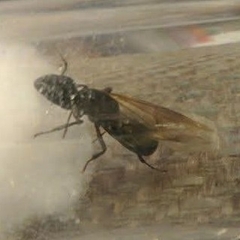 Eastern Black Carpenter AntCamponotus pennsylvanicusCan damage your home
 Red Imported Fire AntSolenopsis invictaCan sting
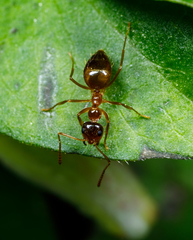 American Winter AntPrenolepis imparis
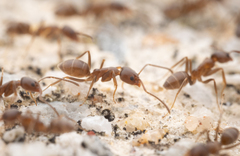 Argentine AntLinepithema humileNuisance, not dangerous
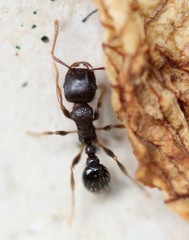 Immigrant Pavement AntTetramorium immigransCan sting
 Odorous House AntTapinoma sessileCan damage your home
Sources
- Wikipedia: https://en.wikipedia.org/wiki/Camponotus_floridanus
Look it up elsewhere: GBIF · iNaturalist · BugGuide · ITIS · Wikipedia
Text written 2026-10-22 from the sources above and checked sentence by sentence against them. Data fetched 2026-10-22.